Germany's Abandoned Maglev Trains: A Forgotten High-Speed Dream
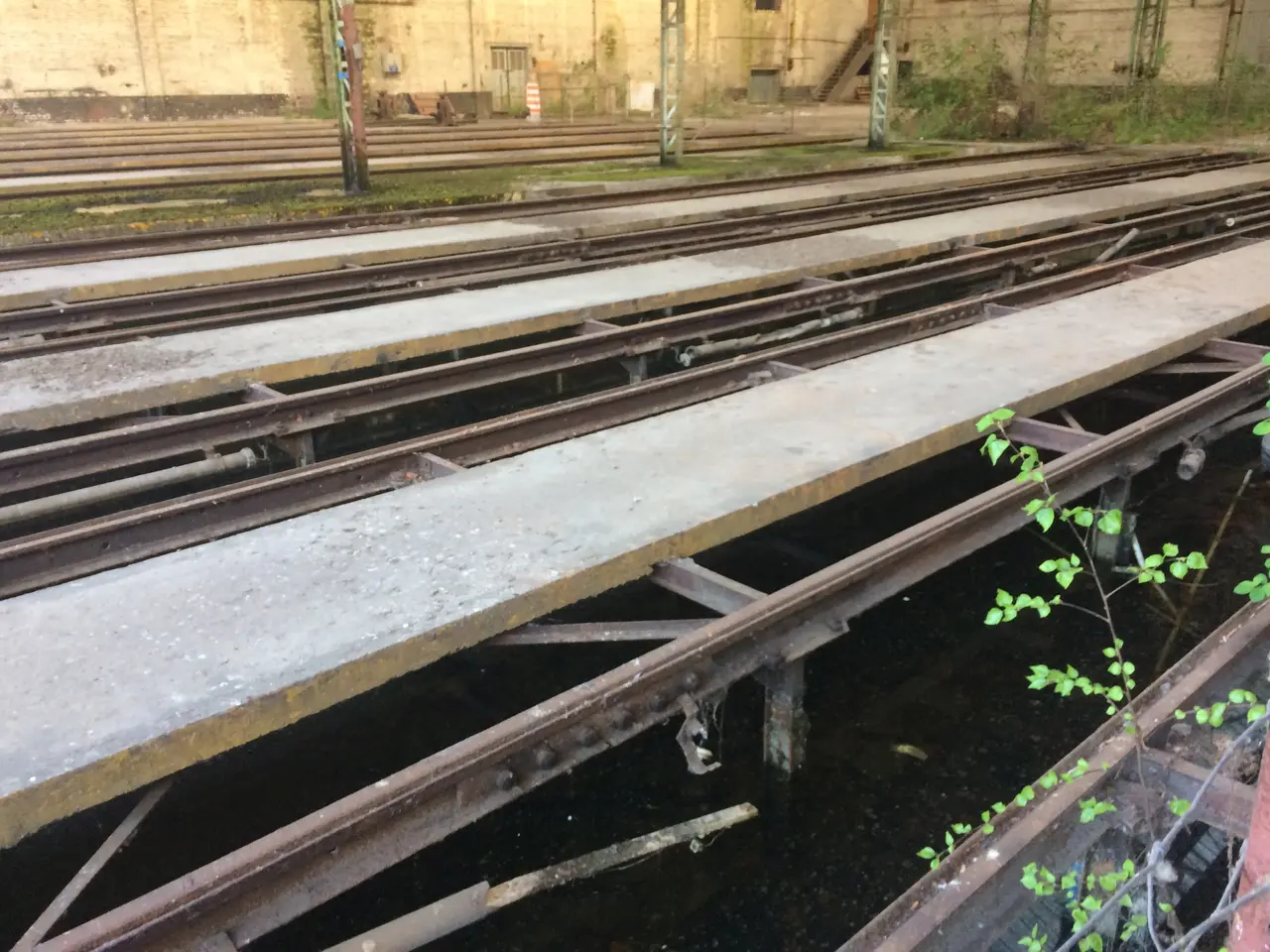
Abandoned maglev trains still sit at Germany's Emsland test site, a stark reminder of a once-cutting-edge project. The country once led the world in magnetic levitation technology with the Transrapid system, but development stalled after a fatal accident in 2006. Meanwhile, nations like China and Japan have pushed ahead, now running commercial maglev lines at record speeds.
Germany's maglev ambitions began with the Transrapid, a train capable of hitting 261 miles per hour during tests. The Emsland site allowed passengers to experience the technology firsthand, offering rides that showcased its potential. But progress came to an abrupt halt in 2006 when a collision between the maglev and a maintenance vehicle killed 23 people.
The accident led to the project's suspension, and by 2011, the Emsland site lost its operating licence. The remaining trains were left unused, symbolising the gap between Germany's early promise and its eventual retreat. Challenges like high infrastructure costs and difficulties integrating maglev with existing rail networks further slowed adoption. Elsewhere, the technology thrived. China now operates commercial maglev routes, including a planned 1,300 km line between Beijing and Shanghai—currently a 4.5-hour journey by conventional high-speed rail. Japan's Chuo Shinkansen maglev line also demonstrates the system's success, with trains reaching speeds of up to 375 miles per hour.
The abandoned maglev at Emsland stands as a relic of Germany's lost lead in high-speed rail innovation. While the country stepped back, others expanded the technology into working transport networks. Today, maglev trains operate at near-supersonic speeds in Asia, leaving Germany's early achievements far behind.
Read also:
- American teenagers taking up farming roles previously filled by immigrants, a concept revisited from 1965's labor market shift.
- Weekly affairs in the German Federal Parliament (Bundestag)
- Landslide claims seven lives, injures six individuals while they work to restore a water channel in the northern region of Pakistan
- Escalating conflict in Sudan has prompted the United Nations to announce a critical gender crisis, highlighting the disproportionate impact of the ongoing violence on women and girls.