Germany's anti-feminist surge targets LGBTIQ+ rights and democratic values
Anti-feminist movements in Germany are growing in influence and visibility, according to recent studies and political responses. These groups now target not just women but also LGBTIQ+ rights, aiming to reverse progress in equality laws. Experts warn that such ideologies are connecting different anti-democratic factions across society.
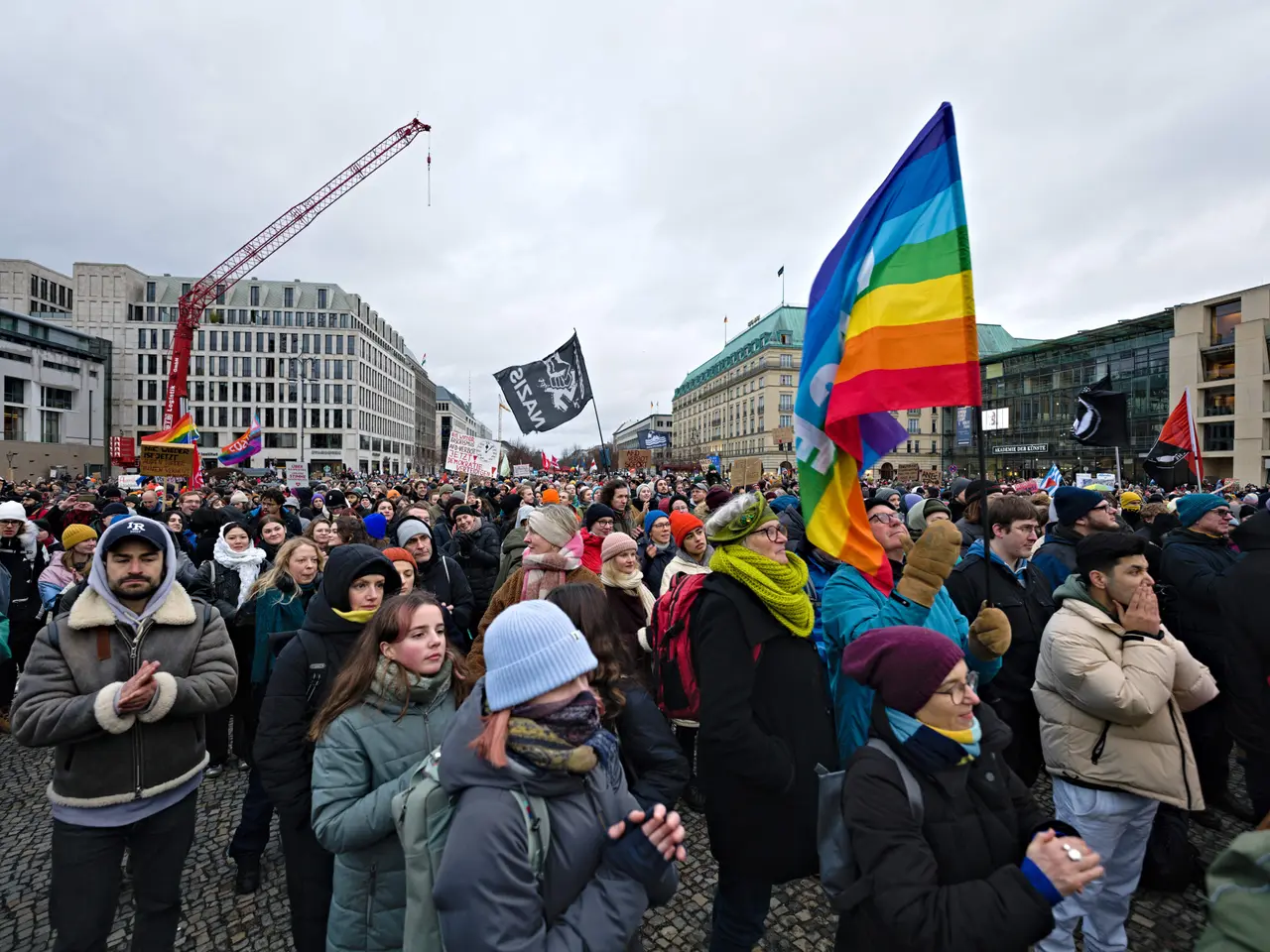
Researcher Andreas Kemper once saw anti-feminism as mainly an online issue with no clear geographical base. Now, he highlights its expansion into real-world actions, pointing to attacks on Pride parades and the persistent size of events like Berlin's March for Life. The 2022 killing of a trans man in Münster and rising protests against CSD (Christopher Street Day) events further signal this shift.
Berlin has become a focal point for anti-feminist hostility. Groups like the Hayek Society and AfD politician Beatrix von Storch have been named in discussions about organised opposition. Meanwhile, funding for these movements remains opaque, with Germany lagging behind countries like Russia in tracking financial flows.
A high-profile case in 2023 illustrated the impact of anti-feminist networks. The Apollo News campaign against Frauke Brosius-Gersdorf, a candidate for the Federal Constitutional Court, led to media scrutiny of her views on abortion and vaccine mandates. Union politicians withdrew support, forcing her to pull out. A TU Berlin study later linked the coverage to misogynistic media networks in Berlin.
Political responses are now taking shape. Bahar Haghanipour, Green Party spokesperson, proposes adding anti-feminism to the monitoring criteria of the Office for the Protection of the Constitution. The Greens also plan training programmes, stronger protections for civil society groups, and accountability measures for security authorities. Kemper supports these steps but stresses the need for greater transparency, public awareness, and research into teacher training.
The Green Party's proposals aim to counter anti-feminist influence through education, legal oversight, and institutional safeguards. Experts emphasise that tracking funding and monitoring hate networks will be crucial in addressing the issue. Without these measures, the movement's ability to shape legislation and public opinion may continue unchecked.
Read also:
- American teenagers taking up farming roles previously filled by immigrants, a concept revisited from 1965's labor market shift.
- Weekly affairs in the German Federal Parliament (Bundestag)
- Landslide claims seven lives, injures six individuals while they work to restore a water channel in the northern region of Pakistan
- Escalating conflict in Sudan has prompted the United Nations to announce a critical gender crisis, highlighting the disproportionate impact of the ongoing violence on women and girls.