Derelict Nuclear Waste Repository Asse - Start of Retrieval Delayed - Germany's Asse nuclear waste retrieval plan collapses with no new timeline
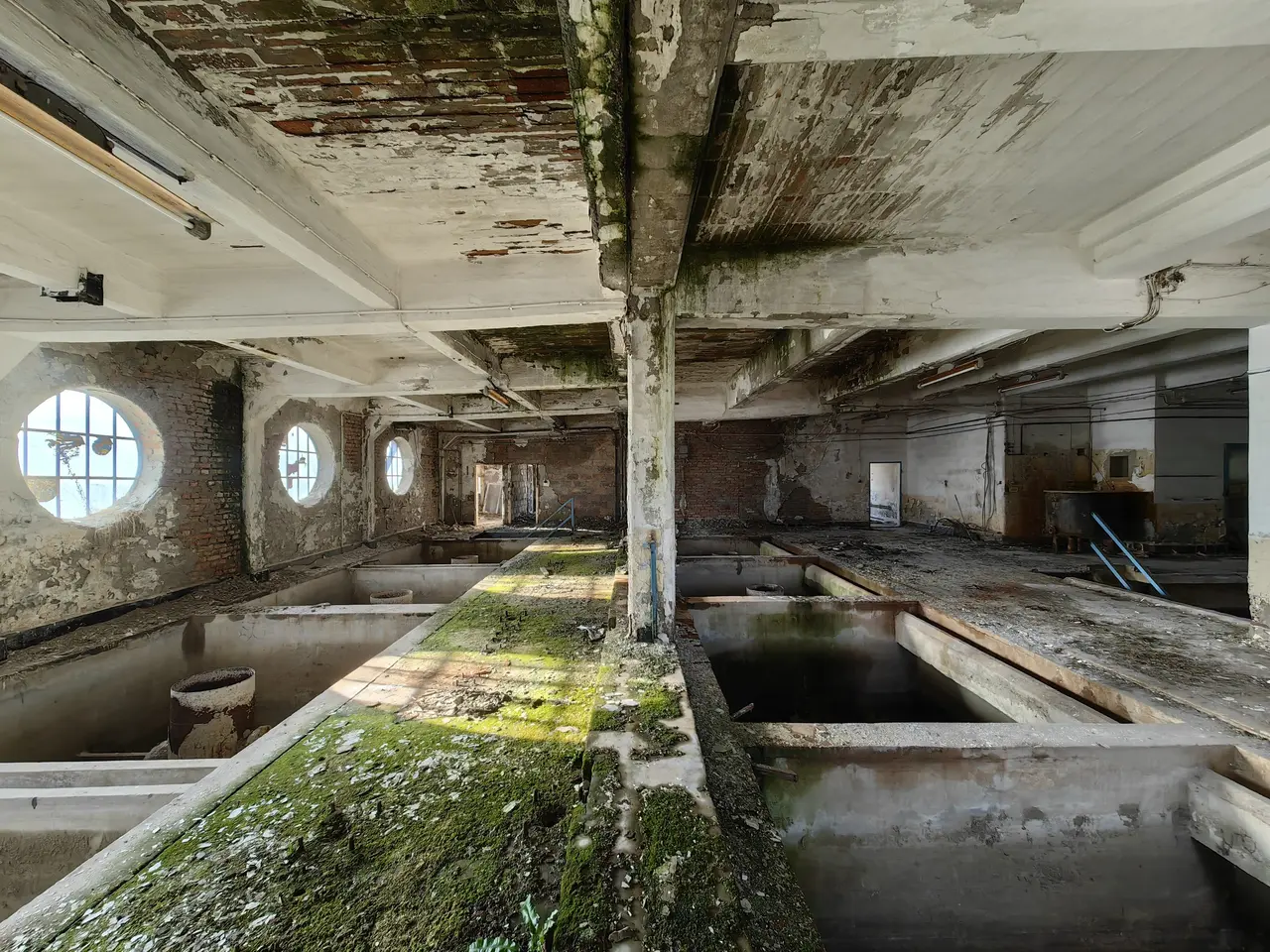
Plans to retrieve radioactive waste from the Asse nuclear storage site have fallen apart, leaving the project without a new start date. The facility holds around 126,000 drums of low- and intermediate-level waste, stored underground since the 1960s and 1970s. Officials now admit the 2020 proposal lacked critical details, forcing a complete reassessment.
The Federal Company for Radioactive Waste Disposal (BGE) originally aimed to begin waste retrieval in 2033, with preliminary costs exceeding three billion euros. But persistent uncertainties and technical gaps have forced the organisation to abandon that timeline. The BGE will now provide an update on planning progress in April, though no firm schedule has been set.
The instability of the Asse mine demands immediate action. Federal law requires the decommissioning of the site and the removal of all waste drums. Since 2020, oversight has shifted, with the Federal Environment Ministry (BMUV) taking full control in 2023. The state of Lower Saxony now plays only a technical and operational role. New partners have joined the project to address its challenges. The German Mining Advisory Company (DBB) was appointed in 2024 as the planning and implementation lead. An independent scientific committee also reviews safety concepts. Despite these changes, the path forward remains unclear.
The decommissioning of Asse remains a legal obligation, but delays leave the waste in place for the foreseeable future. With no retrieval date in sight, the BGE's next update in April will be closely watched. The project's cost, complexity, and regulatory hurdles continue to grow.
Read also:
- American teenagers taking up farming roles previously filled by immigrants, a concept revisited from 1965's labor market shift.
- Weekly affairs in the German Federal Parliament (Bundestag)
- Landslide claims seven lives, injures six individuals while they work to restore a water channel in the northern region of Pakistan
- Escalating conflict in Sudan has prompted the United Nations to announce a critical gender crisis, highlighting the disproportionate impact of the ongoing violence on women and girls.