Germany’s aviation sector grapples with high taxes and legal battles over fees
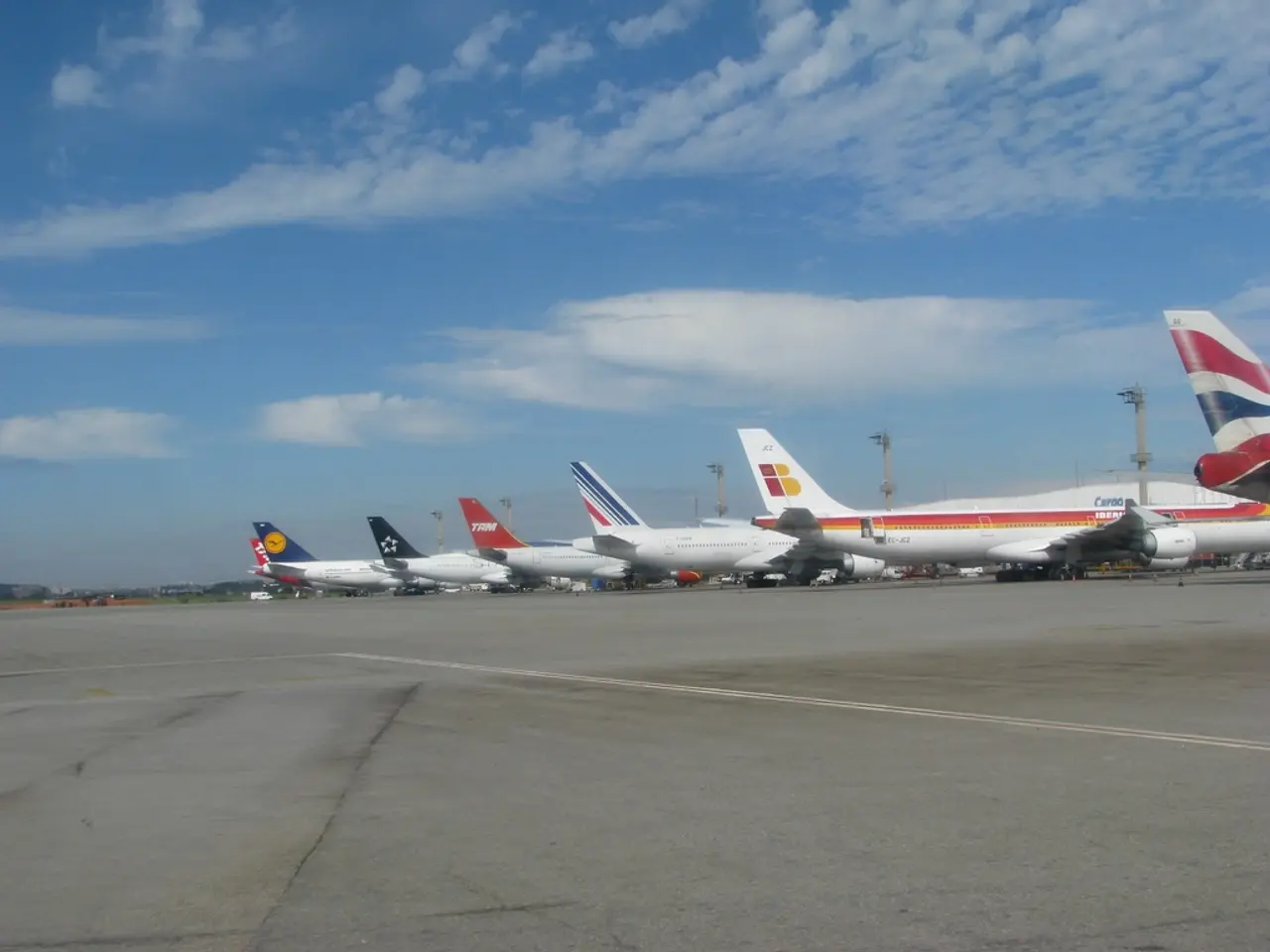
Germany’s aviation sector faces a mix of financial and legal challenges this week. The government has ruled out any immediate cuts to air traffic taxes, despite calls from tourism officials. Meanwhile, legal battles over airport fees and infrastructure delays have added to the industry’s pressures.
The Bundestag approved the current high air traffic tax rates for 2024, with no reductions planned until at least July 2026. The ruling coalition confirmed that these taxes will remain in place until 2027 or beyond. Earlier proposals by the Tourism Coordinator to lower aviation taxes have been shelved for now.
In a separate development, a constitutional challenge against Munich Airport’s third runway failed. The court’s decision clears the way for construction to proceed, though critics argue the project has faced years of delays. The Economy Minister has also spoken out, criticising Germany’s slow progress in expanding key infrastructure.
Elsewhere, consumer groups have launched legal action against airlines over hand luggage fees. The case targets additional charges imposed on passengers for carrying cabin bags, which advocates claim are unfair. Across the Atlantic, the US Transportation Secretary has publicly criticised the Federal Aviation Administration (FAA) for alleged safety lapses. The remarks follow a series of near-misses in Washington, D.C., airspace, raising concerns about aviation oversight.
The German government’s decision keeps aviation taxes at their current levels for years to come. Legal disputes over airport fees and infrastructure projects continue, while international scrutiny grows over air safety standards. These developments will shape the sector’s financial and operational landscape in the near term.
Read also:
- American teenagers taking up farming roles previously filled by immigrants, a concept revisited from 1965's labor market shift.
- Weekly affairs in the German Federal Parliament (Bundestag)
- Landslide claims seven lives, injures six individuals while they work to restore a water channel in the northern region of Pakistan
- Escalating conflict in Sudan has prompted the United Nations to announce a critical gender crisis, highlighting the disproportionate impact of the ongoing violence on women and girls.