Germany's BKA marks 75 years as a pillar of national security in 2026
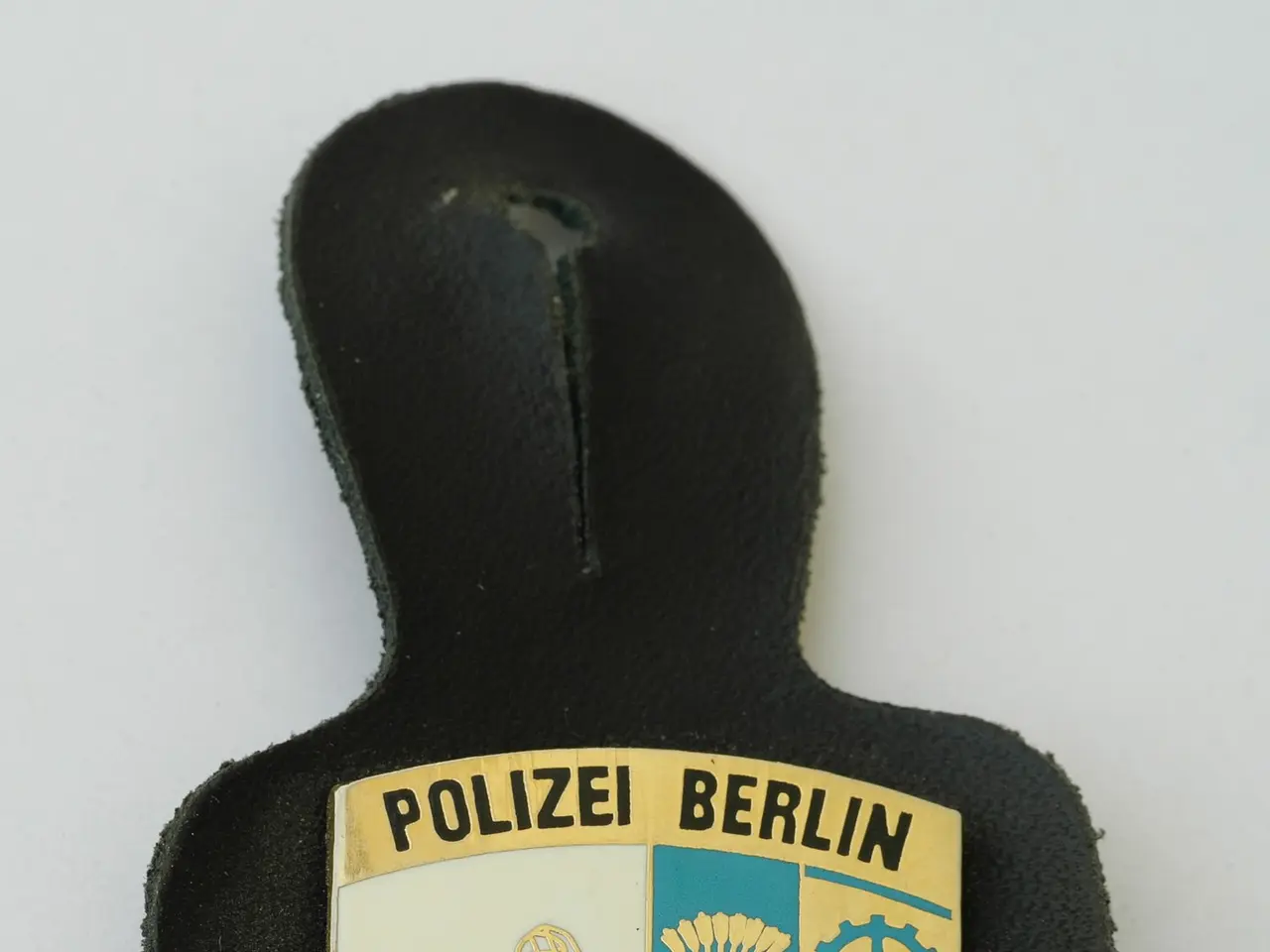
Germany's Federal Criminal Police Office (BKA) will mark its 75th anniversary in 2026. Founded in 1951 as the country's central law enforcement agency, the institution has grown into a key part of national security. A special ceremony is planned for March 12 at Wiesbaden's historic Kurhaus to celebrate its long history of protecting democracy and public safety.
The BKA began operations in 1951 with a clear mission: to coordinate police work between federal and state authorities. Its early years focused on tackling major crimes, but by the 1970s, it took on a central role in combating domestic terrorism, including the Red Army Faction (RAF). This period also saw the launch of INPOL in 1972, Germany's first nationwide police database, which revolutionised information sharing across the country.
From the 1980s onwards, the agency expanded its international reach. Liaison officers were stationed abroad, and partnerships with organisations like Interpol helped dismantle global drug networks during the 1980s and 1990s. After the 9/11 attacks, the BKA shifted priorities again, strengthening its focus on international terrorism. By 2009, legal reforms granted the agency new preventive powers to counter emerging threats. Today, the BKA remains at the forefront of fighting cybercrime and digital forensics, areas that have dominated its work since the 2000s. It also produces essential crime reports, such as the annual Police Crime Statistics (PKS), to track trends and inform security policies. Key partnerships now include close cooperation with U.S. agencies like ICE and HSI, with two BKA officers based in Washington to support transatlantic investigations. Over seven decades, the BKA has built a network of global collaborations, adapting to new challenges while maintaining its core role in safeguarding Germany's security architecture.
The anniversary ceremony in March 2026 will highlight the BKA's evolution from a domestic coordination body to a modern security institution. Its work spans counterterrorism, cybersecurity, and international crime-fighting, all while providing critical data to shape law enforcement strategies. As threats continue to change, the agency's role remains central to Germany's ongoing efforts to protect its citizens and democratic values.
Read also:
- American teenagers taking up farming roles previously filled by immigrants, a concept revisited from 1965's labor market shift.
- Weekly affairs in the German Federal Parliament (Bundestag)
- Landslide claims seven lives, injures six individuals while they work to restore a water channel in the northern region of Pakistan
- Escalating conflict in Sudan has prompted the United Nations to announce a critical gender crisis, highlighting the disproportionate impact of the ongoing violence on women and girls.