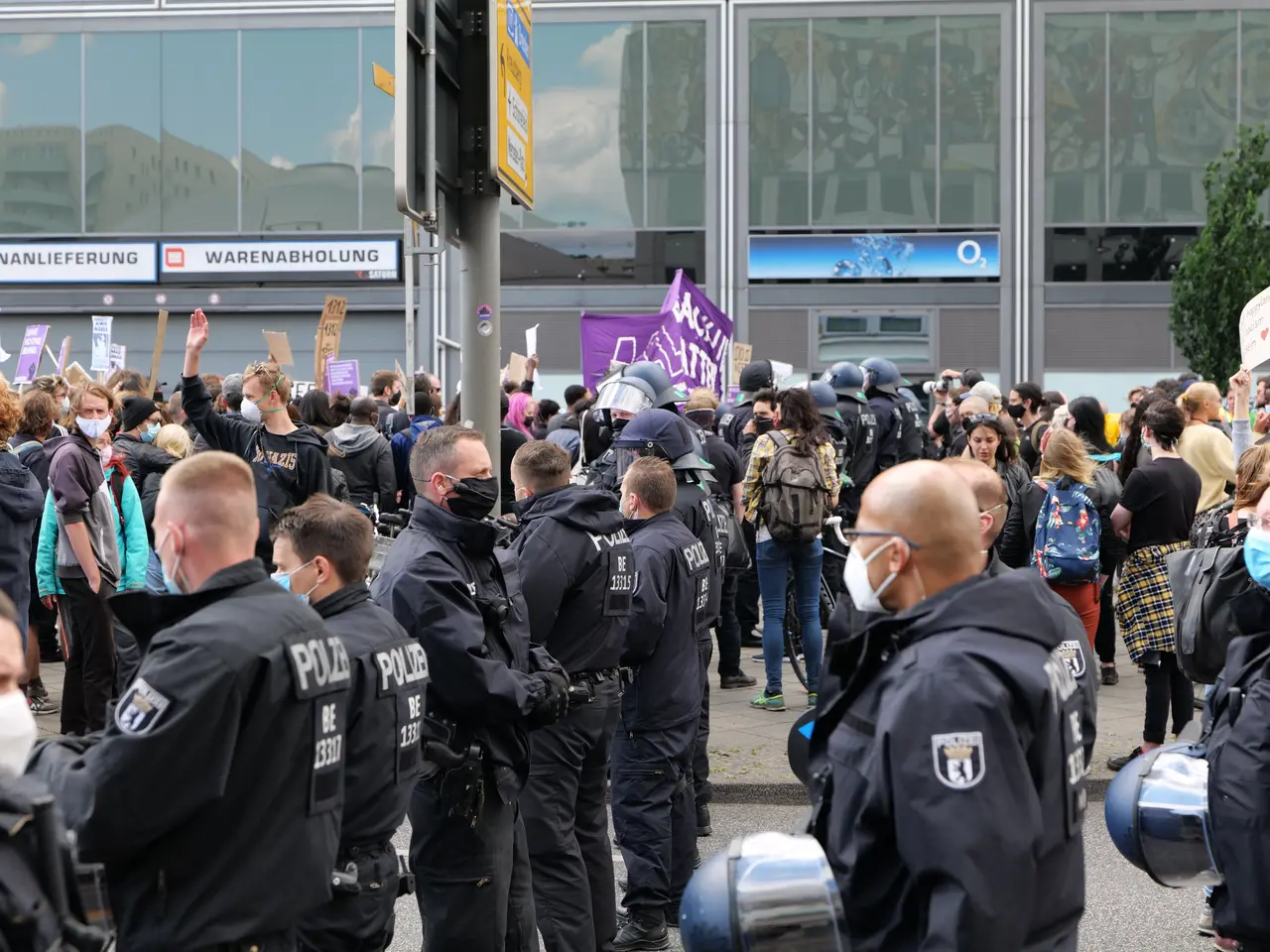
Germany's democracy programme faces drastic cuts under CDU reforms
Federal Family Minister Karin Prien (CDU) has unveiled plans to overhaul the Democracy in Action! programme, triggering sharp criticism from opposition parties and civil society groups. The reforms will cut funding for over 200 projects from 2025, redirecting support to local institutions like schools and sports clubs instead.
Under the proposed changes, entire areas of the programme—including the development of a federally centralised infrastructure—will be scrapped. Organisations such as the Amadeu Antonio Foundation, Correctiv, and HateAid now face significant funding losses. Timo Reinfrank, managing director of the Amadeu Antonio Foundation, warned it could lose up to €850,000 in government support.
A director of a left-wing counselling centre for victims of far-right violence in Saxony described the cuts as devastating. They argued that Prien's plan overlooks the needs of activists and those targeted by extremism. Political backlash was swift. Heidi Reichinnek (Left Party) accused the minister of abandoning democracy defenders, demanding reliable long-term funding for civil society. Jasmina Hostert (SPD) called the move deeply troubling, stressing the programme's vital role in supporting grassroots initiatives. Misbah Khan (Greens) echoed these concerns, accusing Prien of dismantling organised civil society. The minister also intends to boost spending on *digital prevention*, citing worries that young people increasingly rely on online sources for political information. However, critics argue the reforms will weaken key organisations fighting extremism and discrimination.
The overhaul will take effect in 2025, with over 200 projects losing funding. Local groups like libraries and volunteer fire departments will receive priority instead. Opposition parties and affected organisations continue to push back, warning of long-term consequences for democracy initiatives.
Read also:
- American teenagers taking up farming roles previously filled by immigrants, a concept revisited from 1965's labor market shift.
- Weekly affairs in the German Federal Parliament (Bundestag)
- Landslide claims seven lives, injures six individuals while they work to restore a water channel in the northern region of Pakistan
- Escalating conflict in Sudan has prompted the United Nations to announce a critical gender crisis, highlighting the disproportionate impact of the ongoing violence on women and girls.