Germany's emergency fuel law could cap daily price hikes by Easter
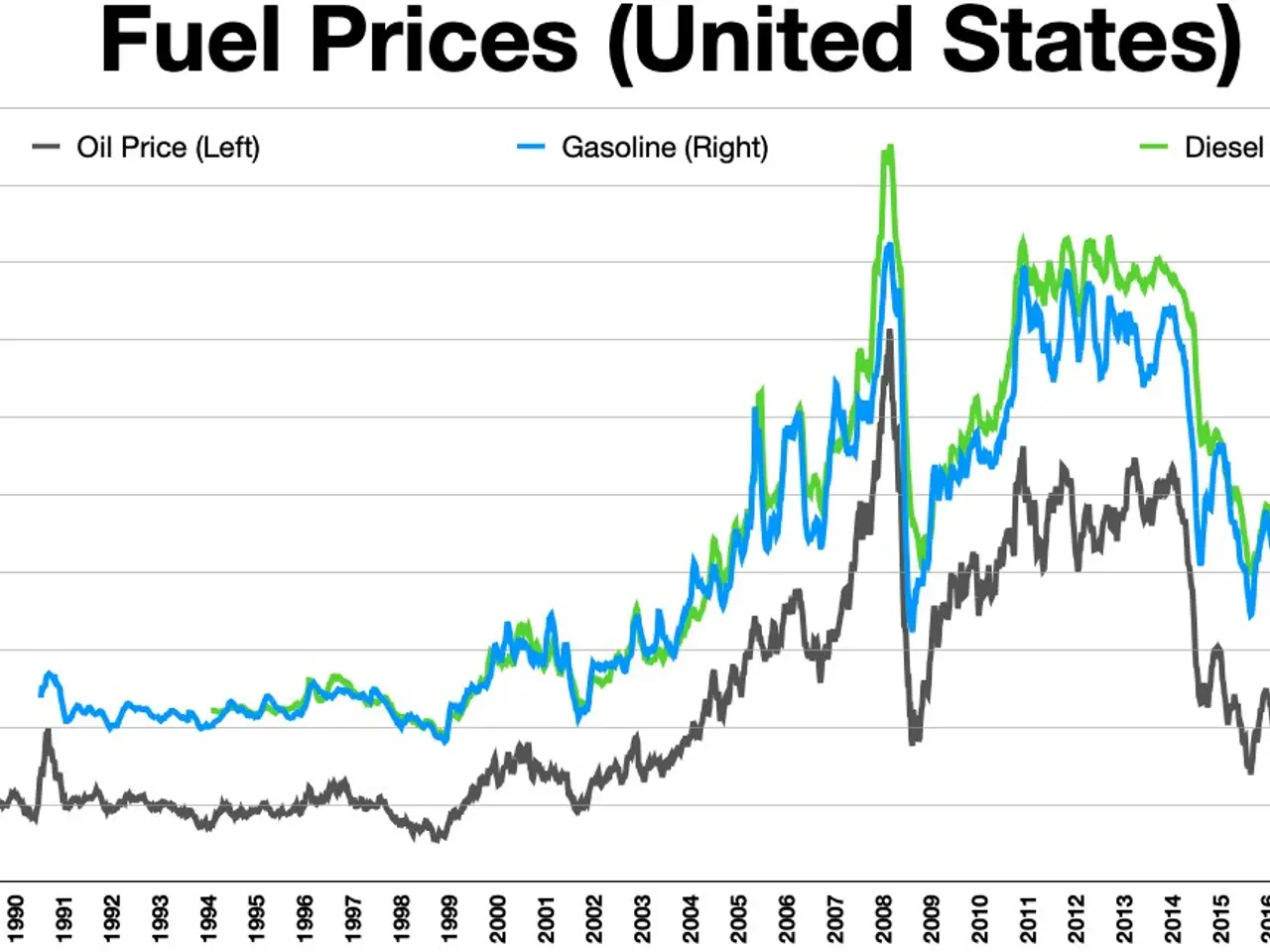
The German government is preparing a temporary law to tackle soaring fuel prices. The measure aims to ease pressure on businesses and drivers struggling with rising costs. If fast-tracked, the new rules could come into force before Easter.
Under the proposed law, petrol stations will only be permitted to increase prices once a day, at noon. Price reductions, however, can happen at any time. Oil companies failing to follow these rules could face fines of up to €100,000.
Some industry experts warn that businesses might push up prices more than needed to avoid penalties. Claudia Jansweidt-Hermann, who runs a coach tour company, has already frozen her 2027 pricing due to uncertainty over diesel costs. Lars Rauer, a driving school owner, plans to pass higher fuel expenses on to students in the near future.
The law is designed to help sectors hit hardest by rising fuel costs, including trucking firms, commuters, coach operators, and driving schools. Electric vehicle users and train passengers remain unaffected by the price surge. Rauer has questioned why Germany does not adopt pricing controls used in neighbouring countries, where fuel has often been cheaper over the past year.
The legislation targets relief for transport-dependent industries and individual drivers. If approved quickly, it will impose stricter rules on fuel price adjustments. The government hopes this will stabilise costs for businesses and consumers alike.
Read also:
- American teenagers taking up farming roles previously filled by immigrants, a concept revisited from 1965's labor market shift.
- Weekly affairs in the German Federal Parliament (Bundestag)
- Landslide claims seven lives, injures six individuals while they work to restore a water channel in the northern region of Pakistan
- Escalating conflict in Sudan has prompted the United Nations to announce a critical gender crisis, highlighting the disproportionate impact of the ongoing violence on women and girls.