BSW accuses federal government of inadequate preparation for fuel and gas price hike - Germany's energy crisis deepens as fuel prices surge and poverty spreads in the east
The Sahra Wagenknecht Alliance (BSW) in Saxony's state parliament has criticised the federal government for failing to tackle soaring fuel and gas prices. Party leader Ronny Kupke warned that current energy policies and foreign decisions are worsening poverty, particularly in eastern Germany. He described the situation as a result of 'rudderless' planning and deepening social divides.
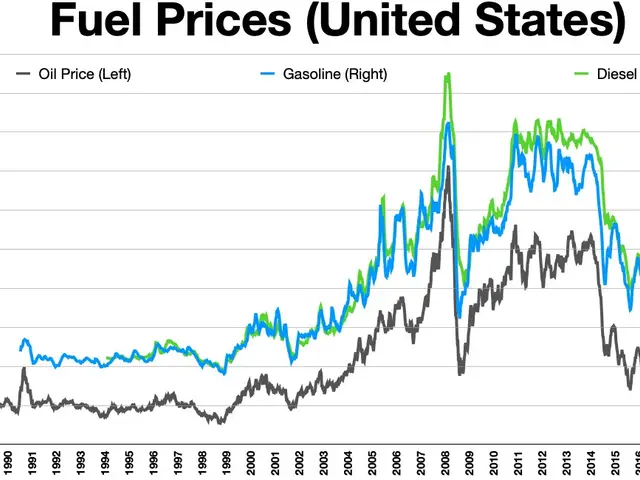
Diesel prices in Germany have climbed sharply since 2020, hitting 174 euro cents per litre by February 24, 2026. A key factor was the CO₂ tax increase on January 1, 2025, rather than direct effects from recent US-Israel-Iran tensions. However, the latest military clashes involving Iran have pushed fuel costs even higher in recent days.
Kupke blamed the government's lack of preparation, calling its approach a 'reckless hope for the best.' Officials had assumed a mild winter and spring, leaving gas storage facilities only about 20 percent full. He also tied supply shortages to the EU's decision to halt Russian gas imports after the Ukraine war.
Inflation has risen more steeply in eastern Germany than in the west, according to Kupke. He argued that the current energy crisis is hitting the region hardest, with fuel costs deepening financial strain on households.
The BSW's warnings highlight concerns over energy security and rising living costs. With gas reserves low and prices climbing, the alliance has called for urgent policy changes. Eastern Germany faces particular pressure as inflation and fuel expenses continue to grow.
Read also:
- American teenagers taking up farming roles previously filled by immigrants, a concept revisited from 1965's labor market shift.
- Weekly affairs in the German Federal Parliament (Bundestag)
- Landslide claims seven lives, injures six individuals while they work to restore a water channel in the northern region of Pakistan
- Escalating conflict in Sudan has prompted the United Nations to announce a critical gender crisis, highlighting the disproportionate impact of the ongoing violence on women and girls.