Conflict in the Middle East strains businesses and commuters - Germany's fuel crisis deepens as Middle East war disrupts trade and energy costs
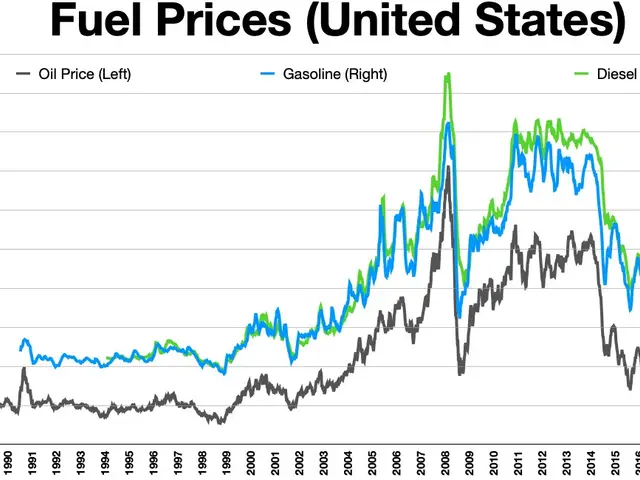
Rising fuel prices and economic uncertainty are hitting Germany hard, particularly in Rhineland-Palatinate. The ongoing war in the Middle East has disrupted trade routes, pushed up energy costs, and left commuters, small businesses, and farmers struggling the most.
Federal Finance Minister Lars Klingbeil has called for immediate action to shield consumers from soaring fuel prices. He stressed the need to curb excessive crisis profits and ease the burden on those worst affected. At the same time, he pushed for faster antitrust reforms to put pressure on large corporations.
In Rhineland-Palatinate, the economic strain is clear. The Association of Employers' Federations warned that energy-heavy industries face growing pressure due to the conflict. Disrupted supply chains and higher energy bills are squeezing local businesses, while the German Trade Union Confederation (DGB) urged a shift away from fossil fuels to build a more stable energy system.
Minister-President Alexander Schweitzer echoed these concerns, pointing out that commuters, tradespeople, and farmers are bearing the brunt of the crisis. The incoming state government is now under pressure to act—prioritising competitive energy prices, cutting red tape, and stabilising the economy.
Meanwhile, the wider economic fallout from the Middle East conflict continues. The International Energy Agency has asked member countries to release 400 million barrels of oil reserves for short-term relief. Yet fears of supply shortages persist, keeping energy markets volatile and dragging down stock indices like the DAX by up to 1.8%.
The combined effects of the war, rising fuel costs, and economic instability are putting pressure on households and industries alike. With calls for reform growing louder, policymakers must now address both immediate relief and long-term energy security to prevent further economic damage.
Read also:
- American teenagers taking up farming roles previously filled by immigrants, a concept revisited from 1965's labor market shift.
- Weekly affairs in the German Federal Parliament (Bundestag)
- Landslide claims seven lives, injures six individuals while they work to restore a water channel in the northern region of Pakistan
- Escalating conflict in Sudan has prompted the United Nations to announce a critical gender crisis, highlighting the disproportionate impact of the ongoing violence on women and girls.