Germany's fuel prices hit record highs as FDP demands tax cuts
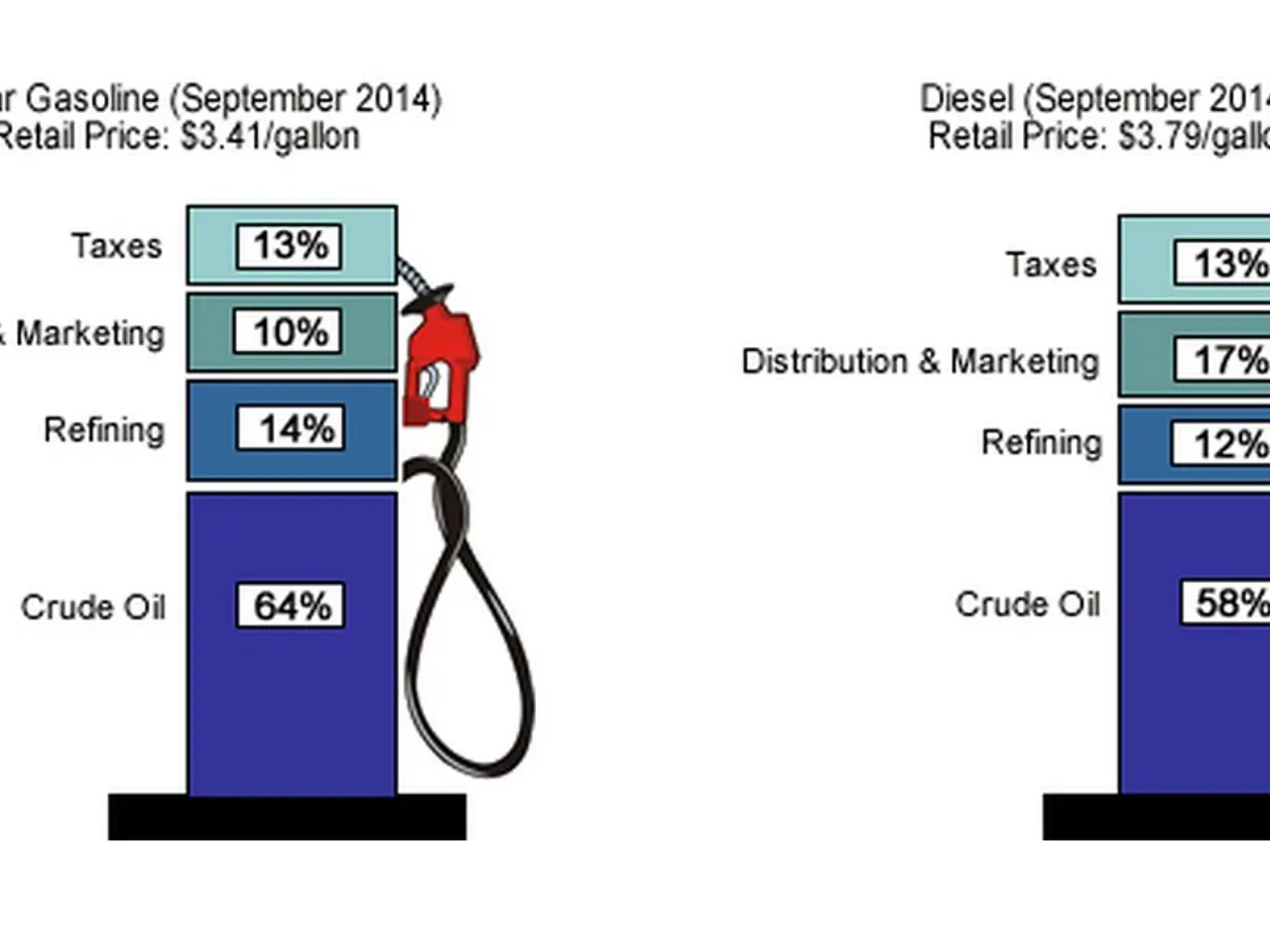
Fuel prices in Germany have surged sharply, reaching record highs in March. The Free Democratic Party (FDP) has now called for urgent action, criticising the government's tax policies as a major factor. They argue that over half the cost of gasoline and diesel comes from taxes and levies—leaving drivers paying far more than necessary.
On March 9, the average price of gasoline in Germany hit 2.03 euros per litre, a 16% jump from February. By March 20, it climbed further to 2.147 euros, rising twice as fast as in other EU countries. Neighbouring nations like France and Austria saw smaller increases, while Poland, the Czech Republic, and Slovenia kept prices lower.
The FDP blames excessive taxation for the burden on motorists. According to their figures, the energy tax alone adds **65.45 cents per litre**, on top of the CO₂ levy and 19% VAT. They claim cutting the energy tax to the EU minimum could lower fuel costs by up to **30 cents per litre**. Thore Schäck, leader of the FDP's Bremen faction, warned that high prices hit commuters, tradespeople, and shift-working caregivers the hardest. The party has now pushed for an emergency debate in Bremen's state legislature. Instead of new taxes on businesses—which they call hypocritical—the FDP proposes slashing the energy tax, capping the CO₂ levy, and reducing VAT to ease the pressure on drivers.
The FDP's proposals aim to bring fuel costs down by cutting taxes rather than introducing new charges. If implemented, their plan could reduce prices significantly for drivers across Germany. The party insists that current policies are failing to protect consumers during the ongoing price crisis.
Read also:
- American teenagers taking up farming roles previously filled by immigrants, a concept revisited from 1965's labor market shift.
- Weekly affairs in the German Federal Parliament (Bundestag)
- Landslide claims seven lives, injures six individuals while they work to restore a water channel in the northern region of Pakistan
- Escalating conflict in Sudan has prompted the United Nations to announce a critical gender crisis, highlighting the disproportionate impact of the ongoing violence on women and girls.