Germany's Greens push for speed limits and oil taxes to cut fuel costs
Felix Banaszak, co-leader of Germany's Green Party, has urged the government to take stronger action against rising fuel and energy costs. His proposals include a temporary speed limit on highways, a windfall tax on oil companies, and a return of the €9 public transport ticket.
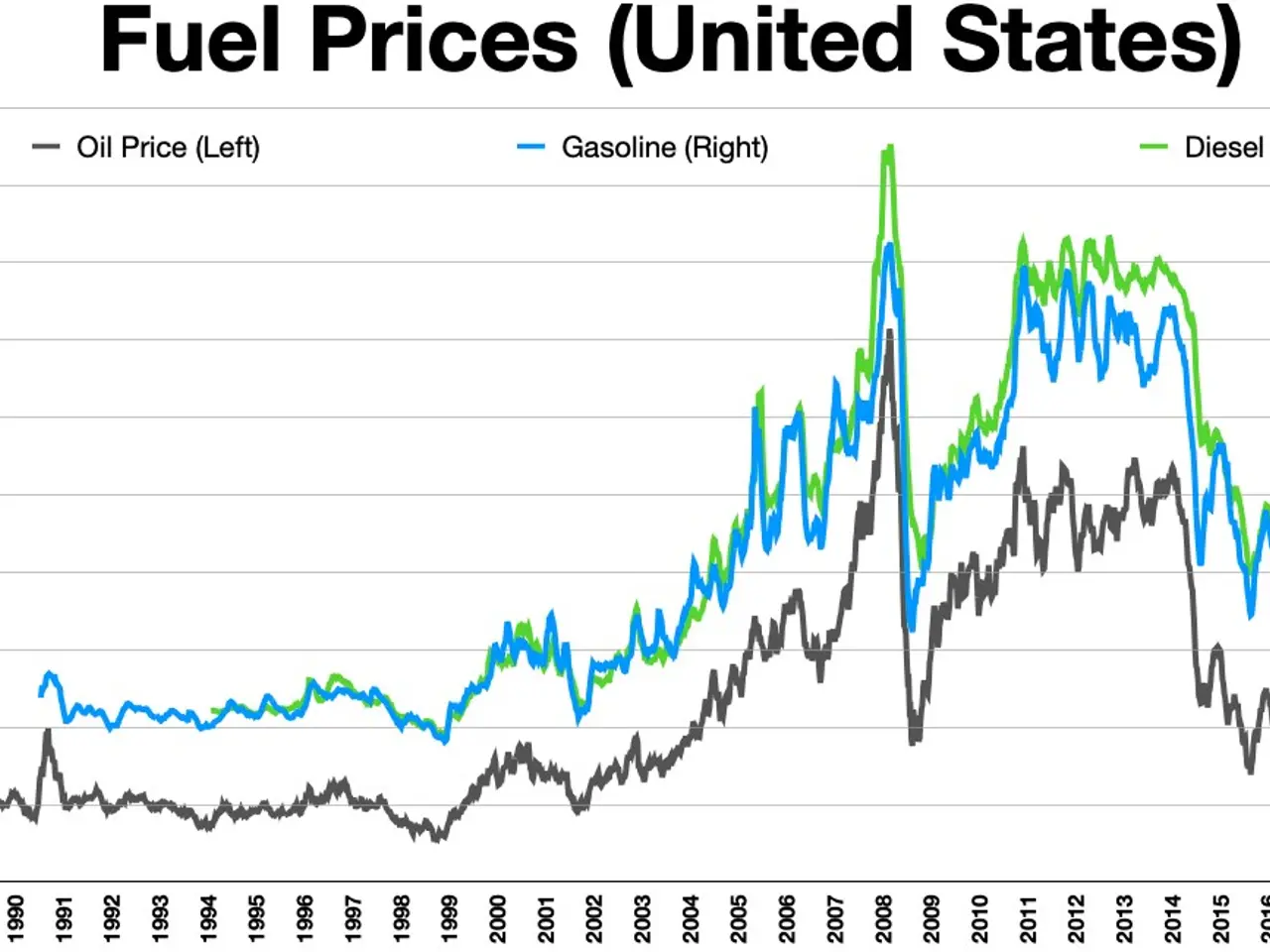
Banaszak's calls come as gasoline and diesel prices continue to climb. He criticised Chancellor Friedrich Merz and the ruling coalition for failing to show leadership in the energy crisis. According to him, people are ready to accept sacrifices if they see clear purpose and direction.
Germany has long debated introducing a speed limit on its autobahns. The CDU/CSU opposes the idea, arguing that German highways are already safe. Meanwhile, the Green Party and environmental group Deutsche Umwelthilfe have pushed for a temporary 100 km/h limit on motorways and 80 km/h outside cities. They claim this could cut fuel use and reduce CO₂ emissions by up to 11.7 million tons per year. In addition to speed restrictions, Banaszak wants a temporary windfall tax on oil companies. The revenue would help lower household electricity bills. He also proposed bringing back the €9 monthly public transport ticket to encourage more people to use buses and trains instead of cars.
The government has yet to adopt any of these measures. Without new policies, fuel and energy prices are likely to remain high. Banaszak's proposals aim to ease financial pressure on households while reducing emissions.
Read also:
- American teenagers taking up farming roles previously filled by immigrants, a concept revisited from 1965's labor market shift.
- Weekly affairs in the German Federal Parliament (Bundestag)
- Landslide claims seven lives, injures six individuals while they work to restore a water channel in the northern region of Pakistan
- Escalating conflict in Sudan has prompted the United Nations to announce a critical gender crisis, highlighting the disproportionate impact of the ongoing violence on women and girls.