Germany's inflation climbs again as war and energy costs squeeze households
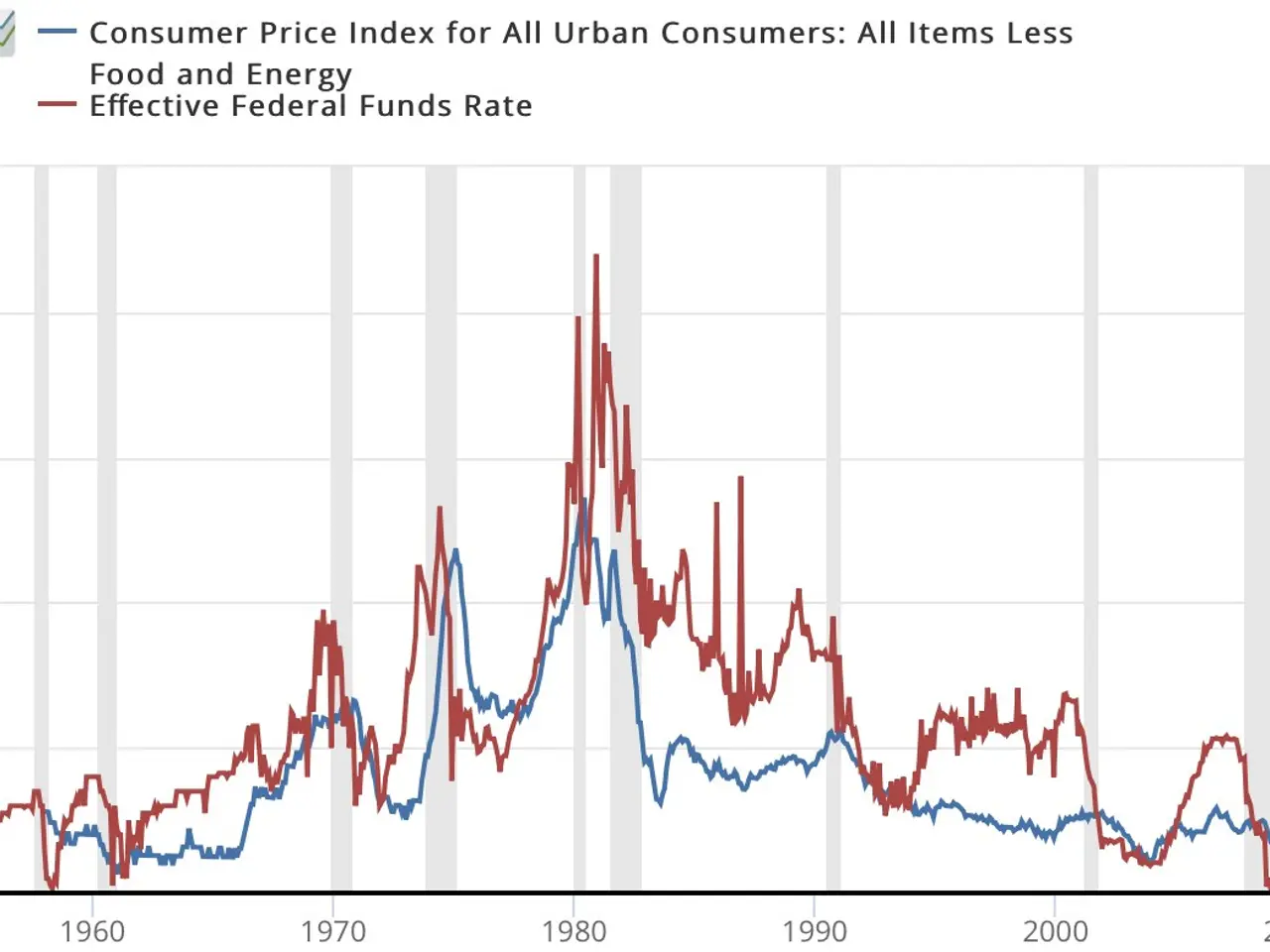
Inflation in Germany has started to rise once more, with April 2026 figures showing a clear upward trend. The nationwide rate reached 2.9 percent, up from the previous month, while Lower Saxony saw its own rate jump from 2.6 to 3.0 percent. Many households, however, report feeling the pinch far more sharply than these numbers suggest.
The recent surge in inflation follows the outbreak of the Iran War, which has disrupted global markets. Energy prices have been hit particularly hard, sitting 11.0 percent higher than a year ago. Diesel alone has spiked by 46.0 percent, a sharp increase that directly affects transport and daily commuting costs.
Everyday essentials like food and fuel remain highly visible in household budgets. Even when other prices stay steady, these frequent purchases create a strong impression that money is losing value. People often compare current prices to past benchmarks, making the financial strain feel more intense than official statistics might reflect. Service costs have also kept climbing, adding to the sense that expenses are spiralling. Yet inflation rates don’t always match individual experiences. Households with different spending habits or income levels may face very different personal inflation rates, meaning some feel the squeeze far more than others. Despite the rise, a lower inflation rate still means prices are growing more slowly—not that they are actually falling. This distinction can be lost when shoppers see higher bills at the supermarket or petrol station, reinforcing the belief that their money no longer goes as far as it once did.
The latest figures confirm that inflation is on the rise again, driven by energy hikes and broader economic pressures. While official rates provide a general measure, the real impact varies widely across households. For many, the cost of living continues to outpace wage growth, leaving budgets stretched thinner than before.
Read also:
- Federal Funding Supports Increase in Family Medicine Residency Program, Focusing on Rural Health Developments
- Potential Role of DHA in Shielding the Brain from Saturated Fats?
- Alternative Gentle Retinoid: Exploring Bakuchiol Salicylate for Sensitive Skin
- Hanoi initiates a trial program for rabies control, along with efforts to facilitate the transition from the dog and cat meat trade industry.