Germany's Islamophobia Debate Deepens After Christchurch and Gaza Conflicts
Hostility towards Muslims in Germany has deep roots, stretching back decades. The issue gained renewed attention after the Christchurch mosque attacks in 2019. Since then, political debates on Islamophobia have shifted, particularly within left-wing circles.
The October 2023 Hamas attack on Israel further intensified these discussions, exposing divisions over criticism of Israel and support for Palestinian rights.
On March 15, 2019, a gunman named Brenton Tarrant entered the Al-Noor Mosque in Christchurch, New Zealand, during Friday prayers. He killed 51 people and injured 50 more, livestreaming the attack on Facebook. Afterward, he drove to the Linwood Islamic Centre and continued shooting until Abdul Aziz confronted him and police arrested him.
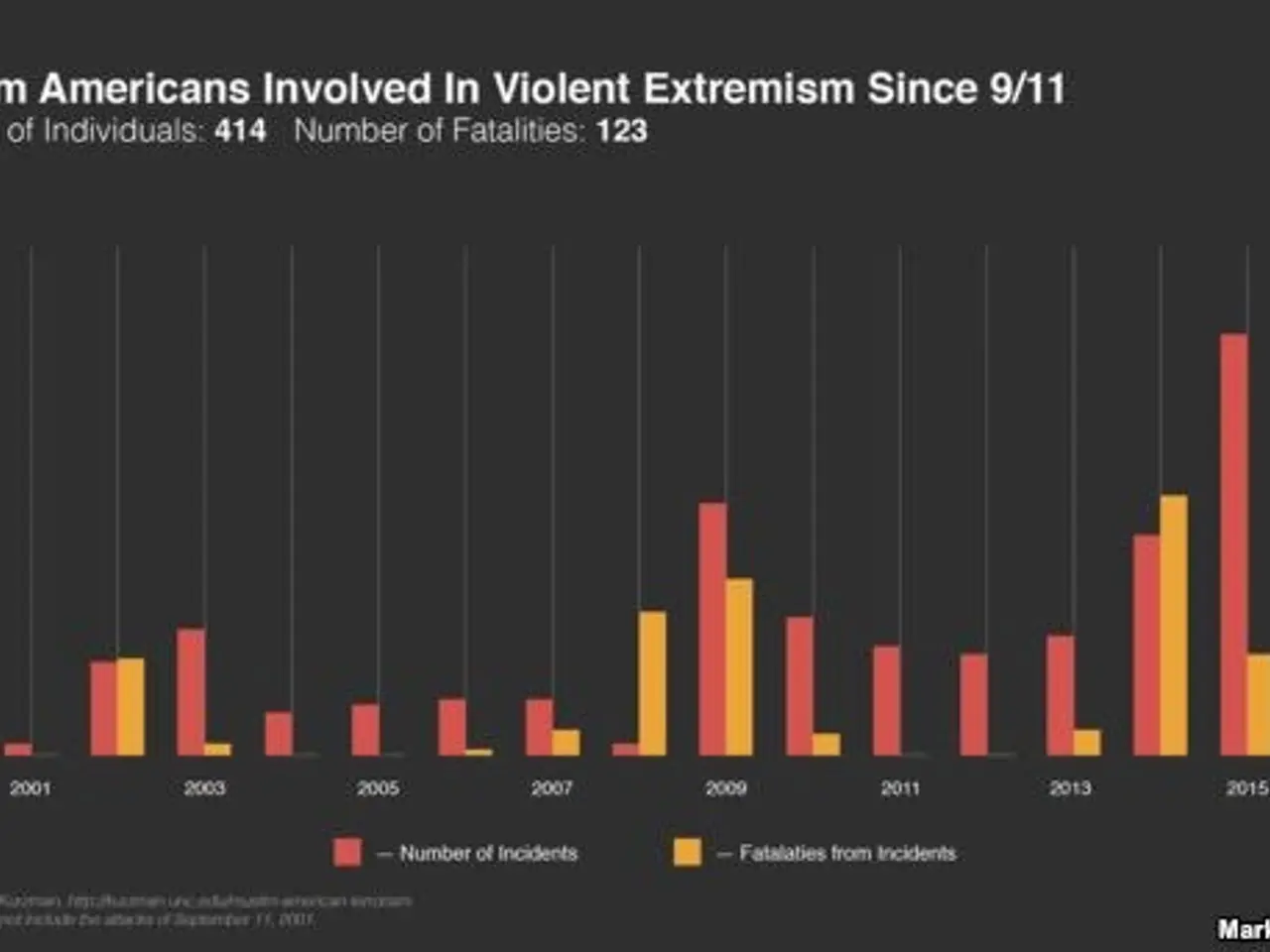
The attack sparked global outrage and led the UN General Assembly to declare March 15 as the International Day to Combat Islamophobia in 2022. In Germany, the incident reignited debates about anti-Muslim sentiment, which had already been rising since the 9/11 attacks in 2001. The U.S.-led 'War on Terror' had fueled suspicion and surveillance of Muslim communities worldwide.
Far-right movements in Germany had long blamed refugees and Muslims for societal problems, using terms like 'great replacement' and 'Islamization of the West' throughout the 2010s. Meanwhile, left-wing parties developed a vocal 'pro-Israel' faction, which, after October 7, 2023, displayed anti-Arab and anti-Muslim rhetoric. Some left-wing groups also downplayed Islamism, forming alliances with fundamentalist Muslim organisations.
The Federal Anti-Discrimination Agency in Germany reports that hijab-wearing women face disproportionate racism and abuse. Since the October 2023 Hamas attack, tensions have grown, with pro-Palestinian protests in Berlin sparking clashes. Left-wing figures in Die Linke and the Greens now often defend criticism of Israel as separate from antisemitism, framing it as part of anti-Islamophobia solidarity.
The Christchurch attack reshaped discussions on Islamophobia in Germany, leading to a UN-recognised day against anti-Muslim hatred. Political divisions over Israel and Palestine have since deepened, with left-wing factions redefining the boundaries between antisemitism and support for Palestinian rights. The Federal Anti-Discrimination Agency continues to document high levels of discrimination against Muslim women, particularly those wearing the hijab.
Read also:
- American teenagers taking up farming roles previously filled by immigrants, a concept revisited from 1965's labor market shift.
- Weekly affairs in the German Federal Parliament (Bundestag)
- Landslide claims seven lives, injures six individuals while they work to restore a water channel in the northern region of Pakistan
- Escalating conflict in Sudan has prompted the United Nations to announce a critical gender crisis, highlighting the disproportionate impact of the ongoing violence on women and girls.