Germany's New Integration Course Fees Spark Outrage and Risk Exclusion
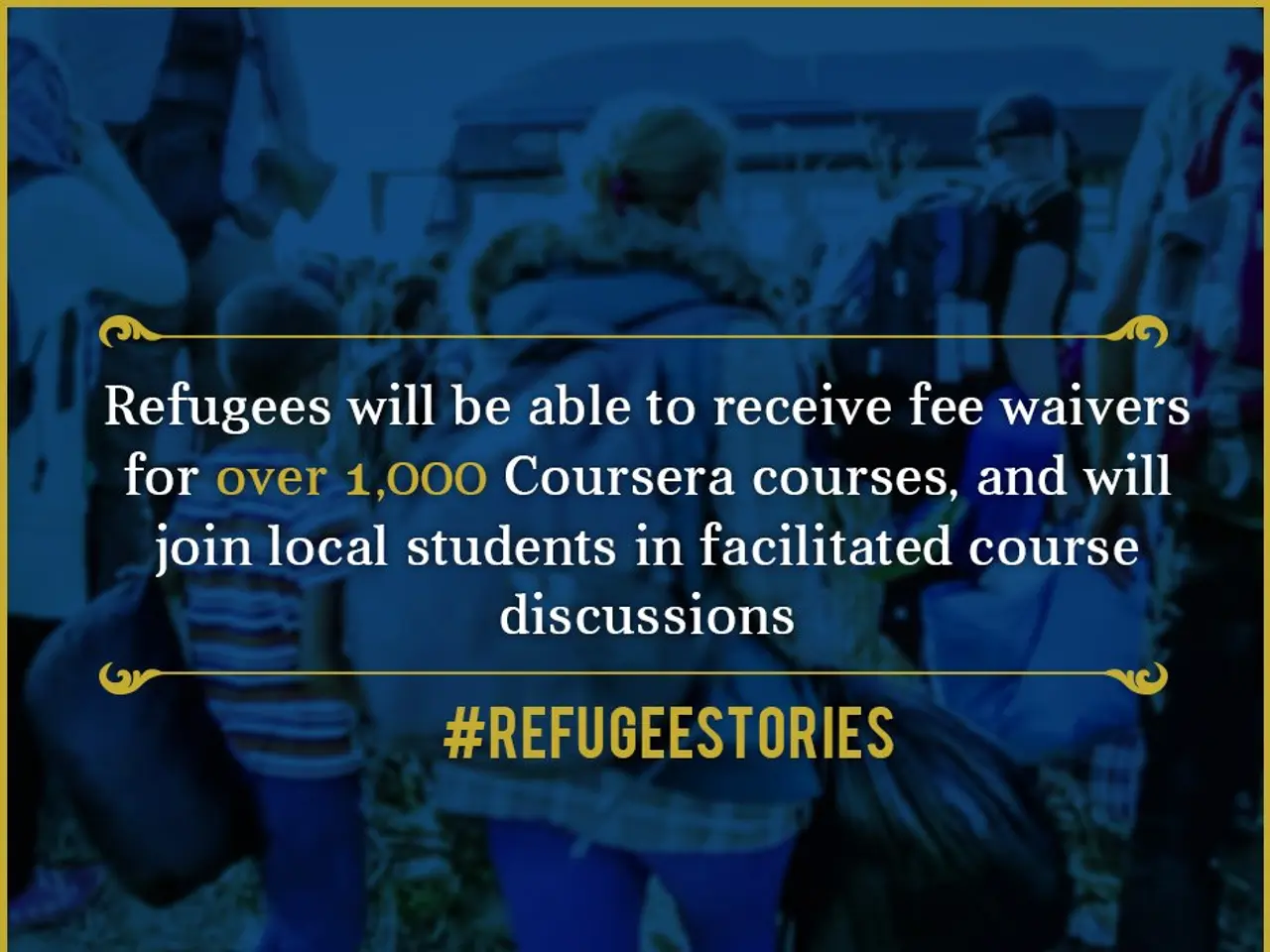
A recent decision by the federal interior minister will force participants to pay for integration courses themselves. The change, costing around €3,000 per person, threatens to exclude roughly 130,000 people nationwide. Bremen's mayor, Andreas Bovenschulte, has criticised the move as unfair and impractical for most affected individuals. Under the new rule, individuals must now cover the full cost of integration courses. Mayor Bovenschulte argued that this financial burden would be impossible for the majority to meet. He stressed that integration should not depend on personal wealth.
The Bundesrat has responded by referring the issue to its Interior Committee for further review. Meanwhile, two federal states—North Rhine-Westphalia and Rhineland-Palatinate—have already rejected a separate decision by the ministry, blocking their Yazidi admission programmes in March 2026. Course providers now face severe cuts, with many forced to cancel classes and reduce staff. Years of built-up integration structures are at risk of collapsing under the pressure. Experts warn that around 40% of potential participants could be left without access to essential language and cultural training.
The financial shift places a heavy strain on both learners and course providers. With fewer resources and rising costs, integration efforts may shrink significantly. The Bundesrat's next steps will determine whether the policy remains in place or faces further opposition.
Read also:
- American teenagers taking up farming roles previously filled by immigrants, a concept revisited from 1965's labor market shift.
- Weekly affairs in the German Federal Parliament (Bundestag)
- Landslide claims seven lives, injures six individuals while they work to restore a water channel in the northern region of Pakistan
- Escalating conflict in Sudan has prompted the United Nations to announce a critical gender crisis, highlighting the disproportionate impact of the ongoing violence on women and girls.