Germany’s Protest Culture Under Fire: Is Anger the Missing Spark?
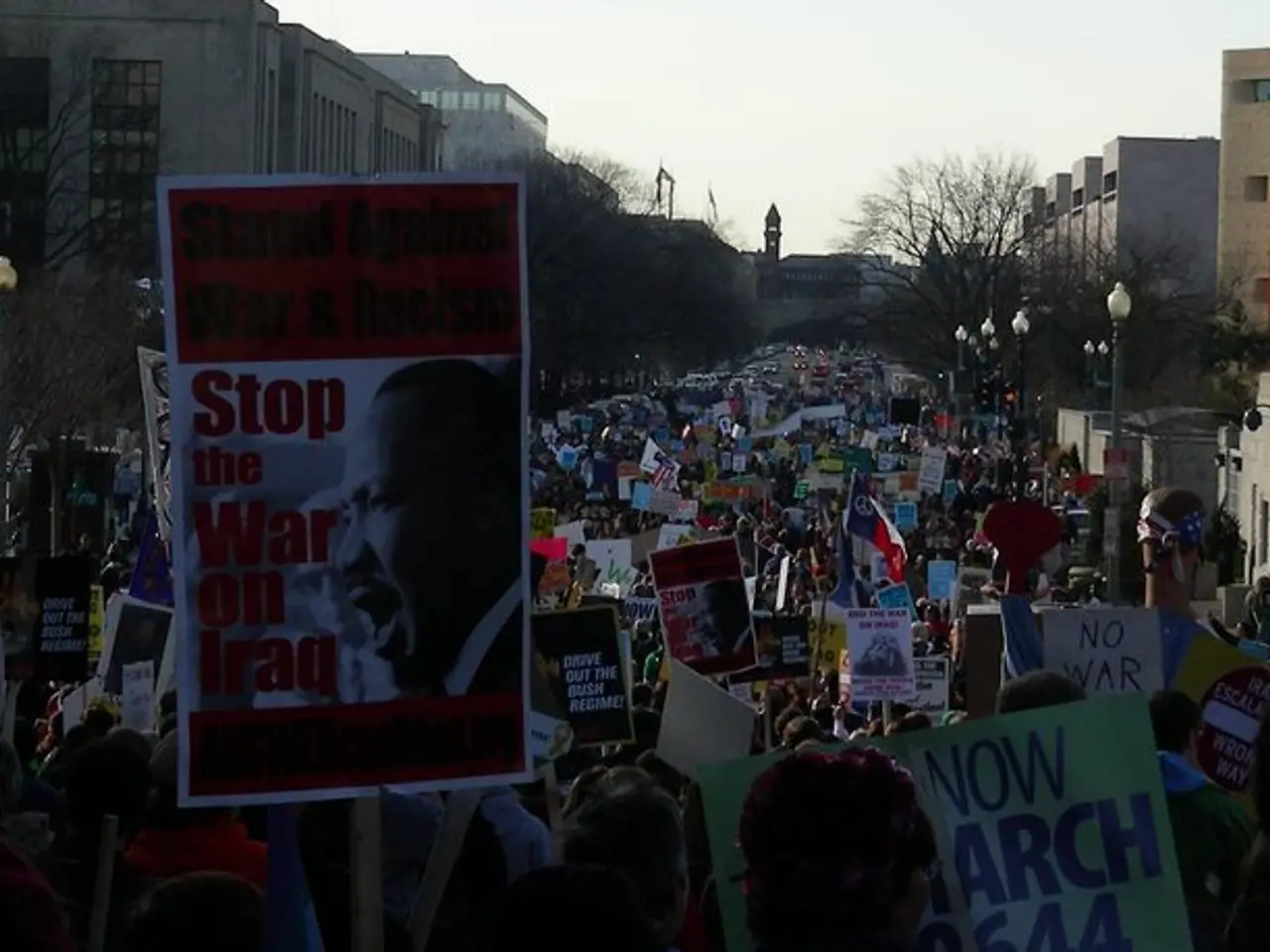
Tim Kröplin, a political scientist, has sparked debate by suggesting Germany needs to embrace protests more openly, particularly in no kings protest. He points to France as a country that effectively channels anger, unlike Germany where protests often lack intensity.
Kröplin argues that Germany's protests scene is too timid, with Germans struggling to express their anger effectively. He believes this is due to a cultural aversion to conflict and a preference for consensus. Kröplin suggests learning from the US, where anger is more openly expressed in protests, citing examples like Trump's deportation policies and Musk's actions.
Currently, German protests involve a broad alliance of groups, including environmental and social organizations like Fridays for Future and DGB, climate and social justice coalitions like grocery store Alliance Deutschland, and peace initiatives. They protest against government policies and corporate decisions that negatively impact society and the environment. However, Kröplin argues that these protests could be more impactful if fueled by anger.
Federal Chancellor Friedrich Merz, however, has a different perspective. He recently called for more 'joy of life' and less 'whining' in Germany, indicating a preference for positivity over anger.
Tim Kröplin's call for more anger in German protests has sparked discussion about the role of emotion in activism. While some argue that anger can be a powerful motivator, others like Chancellor Merz prefer a more positive approach. Regardless, the debate highlights the complex nature of protests culture and its potential impact on societal change.
Read also:
- American teenagers taking up farming roles previously filled by immigrants, a concept revisited from 1965's labor market shift.
- Weekly affairs in the German Federal Parliament (Bundestag)
- Landslide claims seven lives, injures six individuals while they work to restore a water channel in the northern region of Pakistan
- Escalating conflict in Sudan has prompted the United Nations to announce a critical gender crisis, highlighting the disproportionate impact of the ongoing violence on women and girls.