Germany's Quiet Migration Shift: Work Permits for Refugees Amid Election Silence
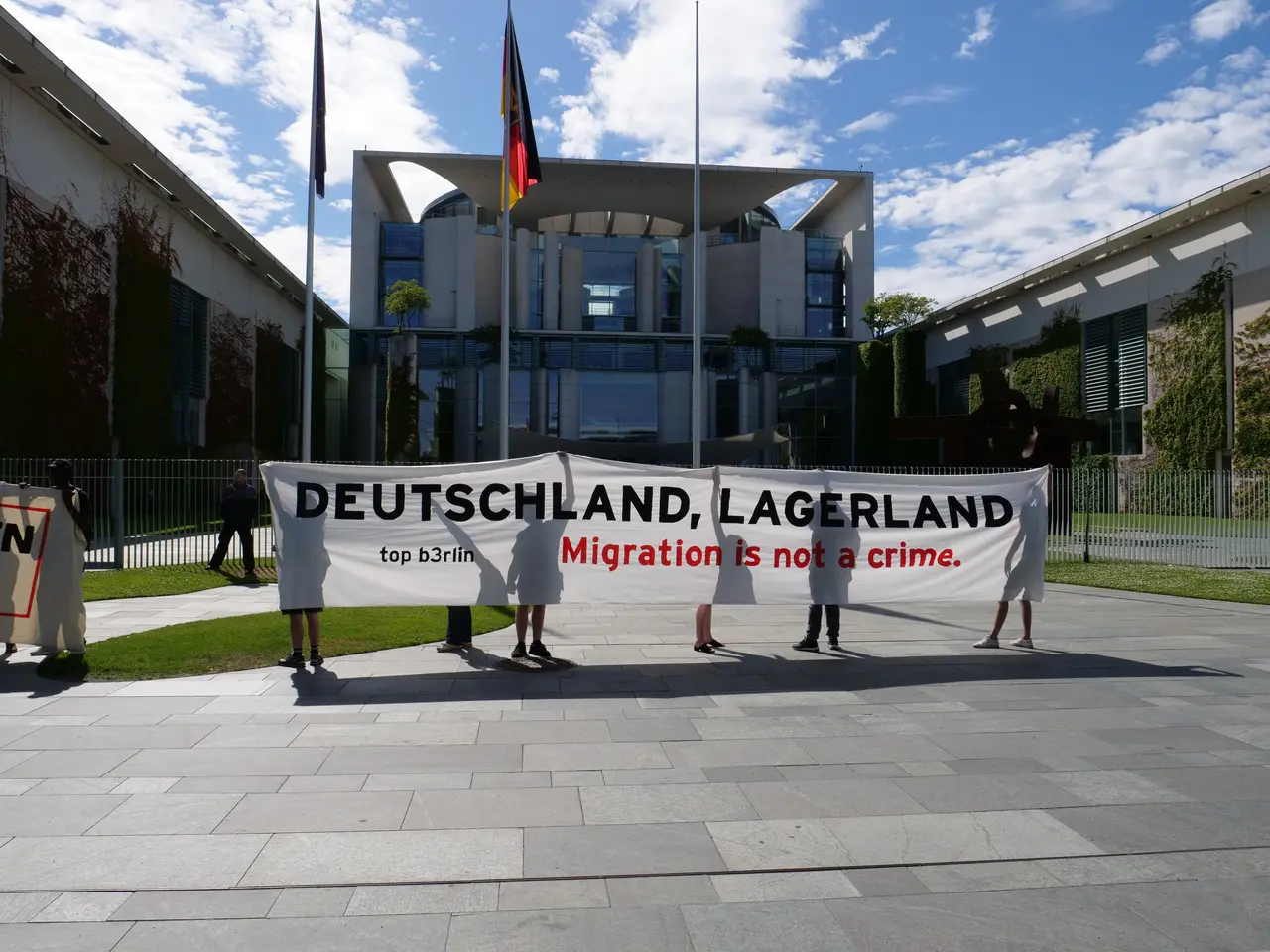
Germany's approach to migration is changing ahead of key state elections. The federal government has introduced new work permits for refugees, while asylum applications have dropped sharply. Yet, in the current campaigns for Baden-Württemberg and Rhineland-Palatinate, the Union parties have kept the topic largely off the agenda.
A year ago, migration dominated political discussions. But at the recent CDU party conference, the issue barely came up. Even now, as state elections near, the Union parties are avoiding in-depth debates on the subject.
Interior Minister Alexander Dobrindt has announced a major policy shift: refugees will now receive full work permits after just three months. This move breaks from the CSU's traditional stance against incentives for migration. Instead, the focus has turned to integrating those already in Germany. The change comes as asylum applications fall to 113,000 first-time claims in 2025—far lower than in previous years. Family reunification visas have also declined, from 120,000 in 2024 to 110,400 this year. Since July 2025, subsidiarily protected individuals can no longer bring family members to Germany. Rather than recruiting foreign workers, the government is now prioritising refugees for the job market. The policy reflects a more practical approach, aiming to tap into the skills of people already living in the country.
The new work permit rules mark a clear shift in migration policy. With asylum numbers down and family reunifications restricted, the government is focusing on integration over recruitment. The changes take effect as state elections proceed with little discussion on the issue.
Read also:
- American teenagers taking up farming roles previously filled by immigrants, a concept revisited from 1965's labor market shift.
- Weekly affairs in the German Federal Parliament (Bundestag)
- Landslide claims seven lives, injures six individuals while they work to restore a water channel in the northern region of Pakistan
- Escalating conflict in Sudan has prompted the United Nations to announce a critical gender crisis, highlighting the disproportionate impact of the ongoing violence on women and girls.