Germany’s rail chaos exposes flaws in handling extreme winter weather
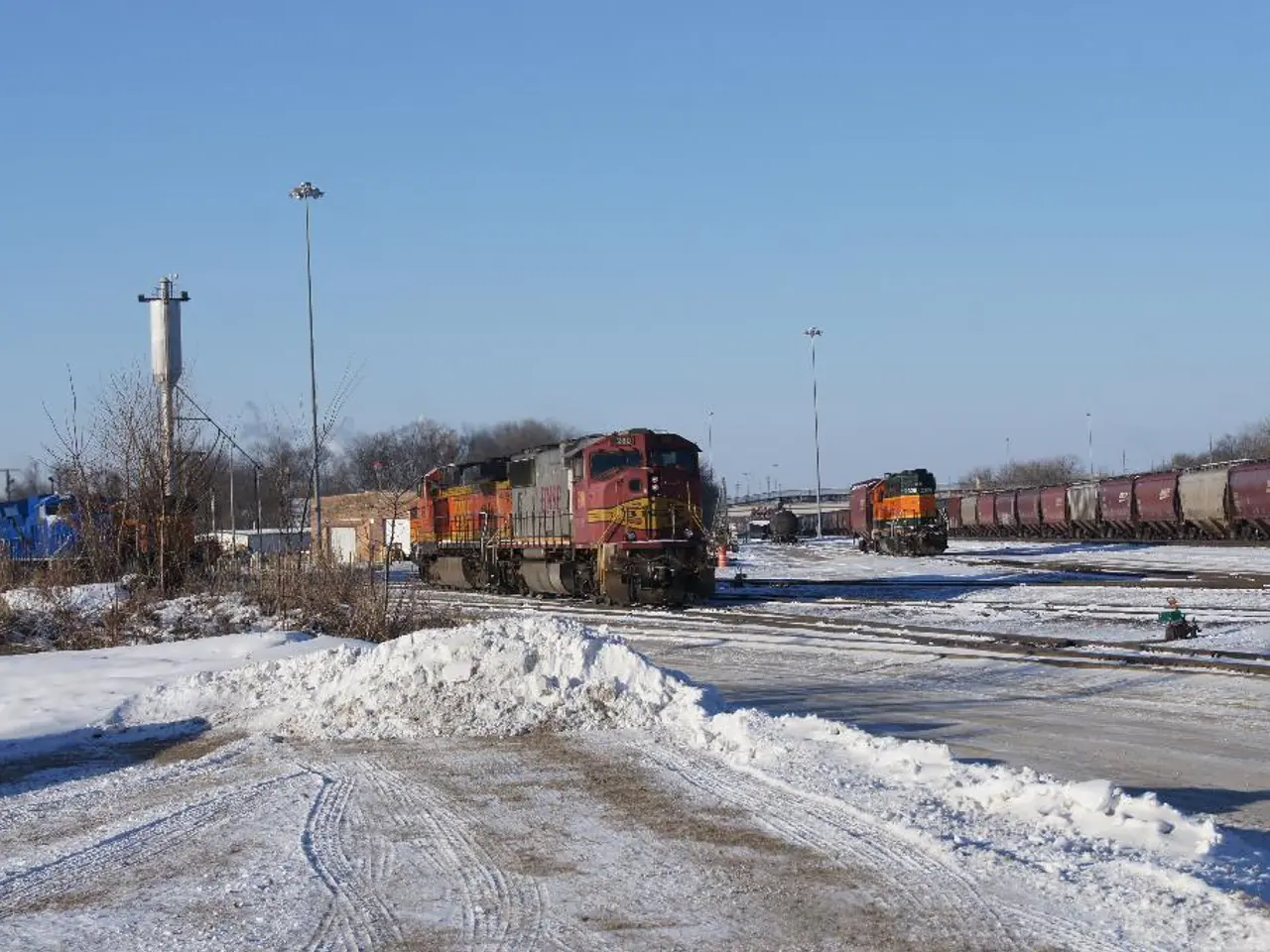
A severe winter storm in January 2026 caused widespread disruption across Germany’s rail network. Deutsche Bahn faced major delays and cancellations as heavy snow blocked tracks. The company’s response is now under review to improve future operations.
Federal Transport Minister Patrick Schnieder highlighted the challenges posed by the storm, noting that extreme weather made normal train services impossible. He acknowledged that many passengers could not cancel their trips, leaving them stranded. Despite the difficulties, he praised Deutsche Bahn staff for their hard work in managing the crisis.
Deutsche Bahn CEO Evelyn Palla defended the company’s handling of the situation. She stressed that safety remained the top priority throughout the storm. The conditions were unpredictable, with persistent snowdrifts blocking tracks and creating a highly dynamic situation. Palla also admitted that, while Deutsche Bahn prepares for such events, unexpected factors can still cause significant problems.
Schnieder confirmed that Deutsche Bahn will analyse its response to the storm. The goal is to identify weaknesses and optimise processes for future extreme weather events.
The review will focus on how Deutsche Bahn managed the storm’s impact on services. Changes may be introduced to handle similar disruptions more effectively in the future. Passengers affected by the cancellations will likely see improvements in crisis communication and recovery efforts.
Read also:
- American teenagers taking up farming roles previously filled by immigrants, a concept revisited from 1965's labor market shift.
- Weekly affairs in the German Federal Parliament (Bundestag)
- Landslide claims seven lives, injures six individuals while they work to restore a water channel in the northern region of Pakistan
- Escalating conflict in Sudan has prompted the United Nations to announce a critical gender crisis, highlighting the disproportionate impact of the ongoing violence on women and girls.