Germany’s rail expansion hits 30-year low under Scholz’s coalition
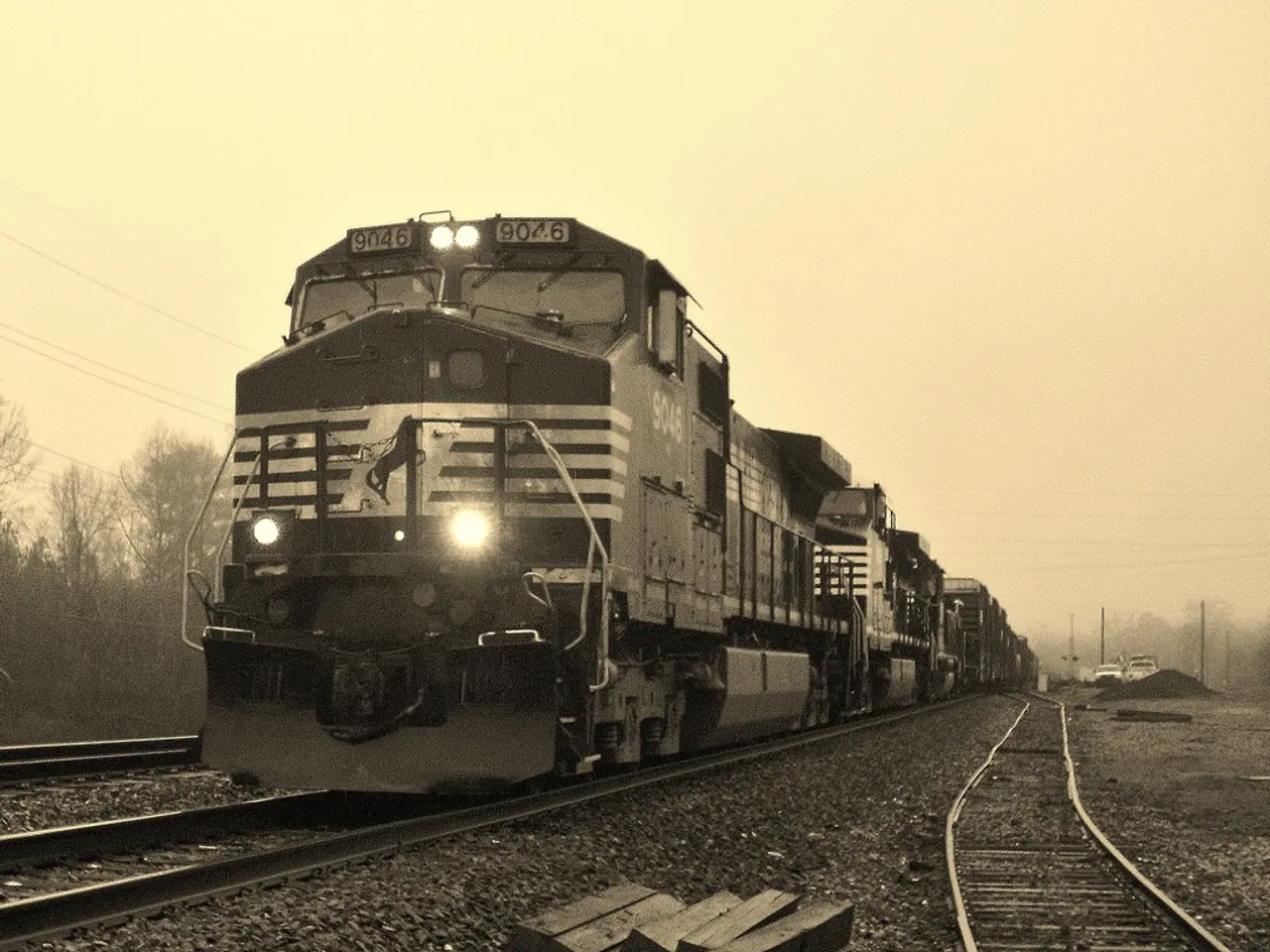
Germany’s railway expansion has slowed to its lowest rate in over three decades. Under the current Ampelkoalition, led by Chancellor Olaf Scholz since December 2021, fewer new rail lines have opened than in any period since 1991. The trend highlights a shift in transport infrastructure priorities since 2016.
Between 2016 and the present, Germany added just 240 kilometers of new long-distance rail routes. This figure includes 23 kilometers still due to open in December 2025. By comparison, the country built around 350 kilometers of new track between 2006 and 2015, and roughly 500 kilometers in the decade before that.
The figures reveal a clear slowdown in Germany’s rail expansion under recent governments. With only 240 kilometers of new routes since 2016, the country’s railway network has grown at its slowest pace in decades. Meanwhile, road projects have advanced more quickly, though at a reduced rate compared to earlier years.
Read also:
- American teenagers taking up farming roles previously filled by immigrants, a concept revisited from 1965's labor market shift.
- Weekly affairs in the German Federal Parliament (Bundestag)
- Landslide claims seven lives, injures six individuals while they work to restore a water channel in the northern region of Pakistan
- Escalating conflict in Sudan has prompted the United Nations to announce a critical gender crisis, highlighting the disproportionate impact of the ongoing violence on women and girls.