Germany's renewable energy boom cuts costs but triggers price chaos in 2024
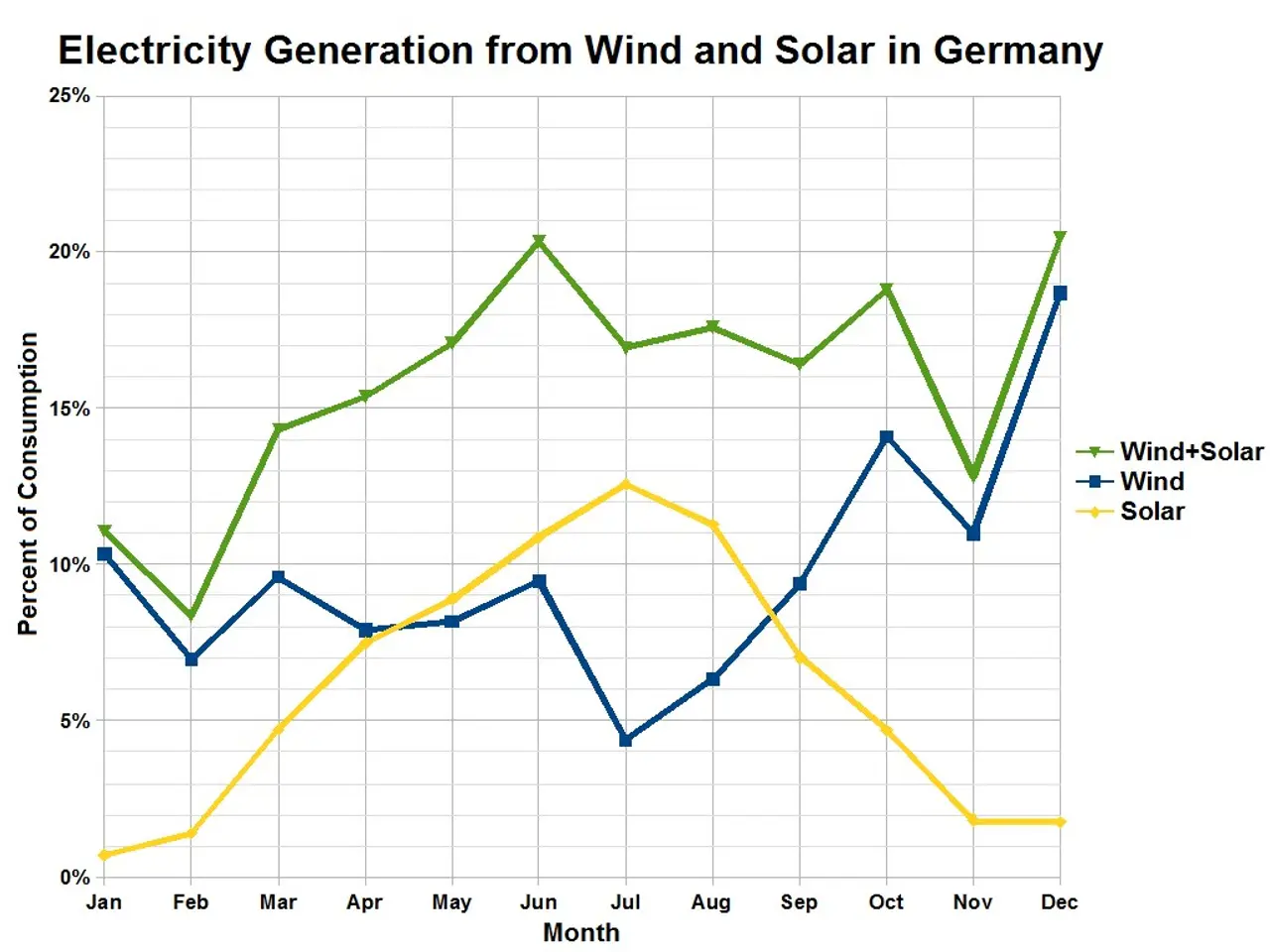
Germany's electricity market saw major shifts in 2024 as renewable energy expanded further. Wholesale prices dropped on average, but extreme spikes and grid bottlenecks led to high costs. Renewables now cover nearly 60% of the country's electricity mix, yet challenges remain in balancing supply and demand. For much of 2024, renewable energy dominated Germany's power supply. Wind, solar and other green sources generated 59.0% of electricity, pushing the average wholesale price down to €78.51 per megawatt-hour (MWh). However, the system still faced instability. On December 12, prices soared to €936.28 per MWh when cold weather drove up demand while renewable output stayed low.
Grid congestion added to the financial strain. Total costs for managing bottlenecks reached €2.776 billion in 2024. Bavaria received the largest share of compensation at €165 million, followed by Lower Saxony (€120 million) and Schleswig-Holstein (€54 million). Renewable plants also earned €554 million for curtailed generation, often due to grid limits. Meanwhile, negative wholesale prices occurred for 457 hours, reflecting periods of oversupply. A study highlighted past savings from renewables, estimating that households and businesses would have spent €40 billion more from 2014 to 2018 without green energy. Looking ahead, faster expansion could cut wholesale prices by around €20 per MWh by 2030 compared to a slower rollout. Early figures for 2025 suggest some improvement, with congestion costs dropping by roughly €120 million from the previous year.
Germany's push for renewable energy has lowered average electricity costs but also created volatility. High grid management expenses and occasional price spikes show the need for better infrastructure and storage. With renewables now supplying most of the country's power, further expansion may help stabilise prices in the long term.
Read also:
- American teenagers taking up farming roles previously filled by immigrants, a concept revisited from 1965's labor market shift.
- Weekly affairs in the German Federal Parliament (Bundestag)
- Landslide claims seven lives, injures six individuals while they work to restore a water channel in the northern region of Pakistan
- Escalating conflict in Sudan has prompted the United Nations to announce a critical gender crisis, highlighting the disproportionate impact of the ongoing violence on women and girls.