Germany's Southwest Link Power Line Sparks Clash Over Pylons vs. Underground Cables
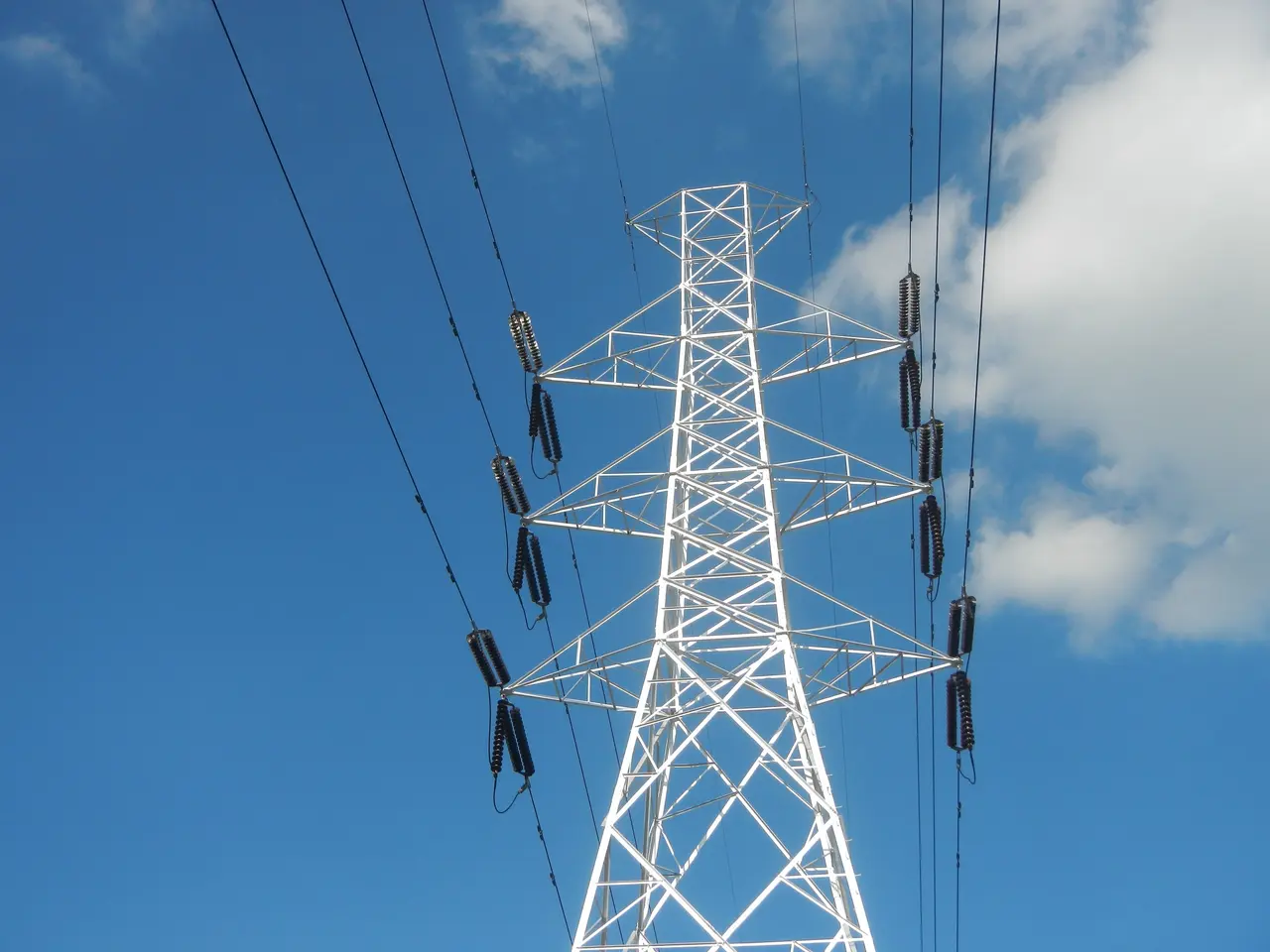
Plans for the Southwest Link, a major new power line, have sparked a dispute between federal and state officials. The project aims to carry wind energy from northern Germany to the south by the mid-2030s. But disagreements over whether to use overhead pylons or underground cables are now causing tension.
The federal government insists pylons are cheaper, while Lower Saxony’s leaders and environmental groups push for buried cables to avoid public backlash.
The Southwest Link will stretch from Sahms in Lower Saxony, passing through Hesse before ending in Baden-Württemberg and Bavaria. Its purpose is to transport wind energy from the North Sea and Schleswig-Holstein to southern regions, reducing bottlenecks that currently force wind farms to cut production. These bottlenecks cost billions each year in compensation for lost output.
Federal Economics Minister Katherina Reiche supports overhead pylons, arguing they cost far less—potentially half as much as underground cables. Her ministry now wants to change the Federal Requirements Plan Act to reduce the priority given to buried cables in some cases, including this project. Lower Saxony’s Green Party environment minister, Christian Meyer, remains unconvinced by the cost argument. He warns of strong public opposition if pylons are built again. Environmental groups like BUND, Greenpeace, and DUH also back underground cables, citing environmental and visual concerns. Experts disagree on whether switching from buried cables to pylons could delay the project. The federal government sees the link as vital for Germany’s energy transition, but state officials and campaigners insist underground options must be fully considered.
The debate over pylons versus underground cables continues, with cost savings and public acceptance at odds. Any decision will shape how quickly the Southwest Link is built and how much resistance it faces.
The outcome will also affect future energy projects, as Germany seeks to expand its wind power capacity while minimising disruption.
Read also:
- American teenagers taking up farming roles previously filled by immigrants, a concept revisited from 1965's labor market shift.
- Weekly affairs in the German Federal Parliament (Bundestag)
- Landslide claims seven lives, injures six individuals while they work to restore a water channel in the northern region of Pakistan
- Escalating conflict in Sudan has prompted the United Nations to announce a critical gender crisis, highlighting the disproportionate impact of the ongoing violence on women and girls.