Inheritance Tax and Broadcasting Fee: What Karlsruhe 2026 Will Decide On - Germany's Top Court to Rule on Tax, Media Fees and Same-Sex Parent Rights
Germany's constitutional court is set to rule on several key issues this year. The cases involve inheritance tax rules, broadcasting fees, and the legal recognition of two mothers in a same-sex marriage. Each dispute centres on claims of unequal treatment under the law.
One case challenges whether business heirs receive unfair tax advantages. Another examines a proposed rise in the monthly broadcasting license fee. A third looks at parentage laws affecting non-birth mothers in lesbian couples. The rulings could bring changes to long-standing policies.
The court will first consider a complaint about inheritance tax privileges for business heirs. Under current rules, business assets receive more favourable treatment than private wealth. Past decisions, such as BVerfG 2 BvR 1550/01 and BVerfG 2 BvR 1261/09, upheld this distinction. Judges argued that business assets support jobs and economic stability, justifying lower tax rates. No previous constitutional challenge has successfully overturned this approach.
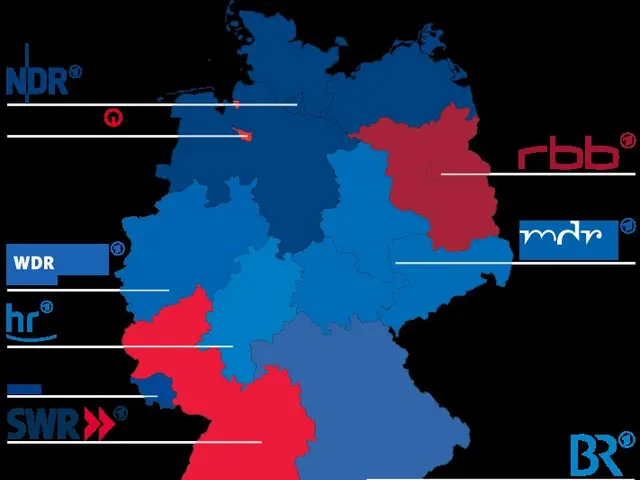
A second case involves the broadcasting license fee, due to rise in 2027. The original plan suggested an increase to €18.94 per month. The latest proposal reduces this to €18.64. The court will assess whether the fee adjustment complies with legal standards. The third dispute focuses on parentage laws for lesbian couples. The complaint argues that non-birth mothers face unfair legal barriers. The court must decide if current rules violate equality principles. Separately, the BSW party has requested a recount of votes from the 2025 federal election. This demand adds to the court's workload but remains a distinct issue from the three main cases.
The constitutional court's decisions will clarify legal standards in taxation, media funding, and family rights. A ruling against current inheritance tax rules could force changes in how business assets are valued. The broadcasting fee outcome may affect household costs from 2027. Meanwhile, a decision on parentage laws could alter legal recognition for same-sex parents. Each verdict will set a precedent for future disputes.
Read also:
- American teenagers taking up farming roles previously filled by immigrants, a concept revisited from 1965's labor market shift.
- Weekly affairs in the German Federal Parliament (Bundestag)
- Landslide claims seven lives, injures six individuals while they work to restore a water channel in the northern region of Pakistan
- Escalating conflict in Sudan has prompted the United Nations to announce a critical gender crisis, highlighting the disproportionate impact of the ongoing violence on women and girls.