Germany's trade with China hits record highs despite growing imbalances in 2025
Germany's economic ties with China have deepened further, with trade figures hitting new highs in 2025. The relationship remains vital for both nations, though financial imbalances and strategic debates continue to shape their future cooperation. Hamburg alone has relied on Chinese trade for over four decades, highlighting the long-standing connection.
China has held its position as Germany's largest trading partner for years. In 2025, imports from China reached €170.6 billion, cementing its role as the top supplier of goods since 2015. Meanwhile, German exports to China have grown, though Europe still receives 60% of the country's total shipments.
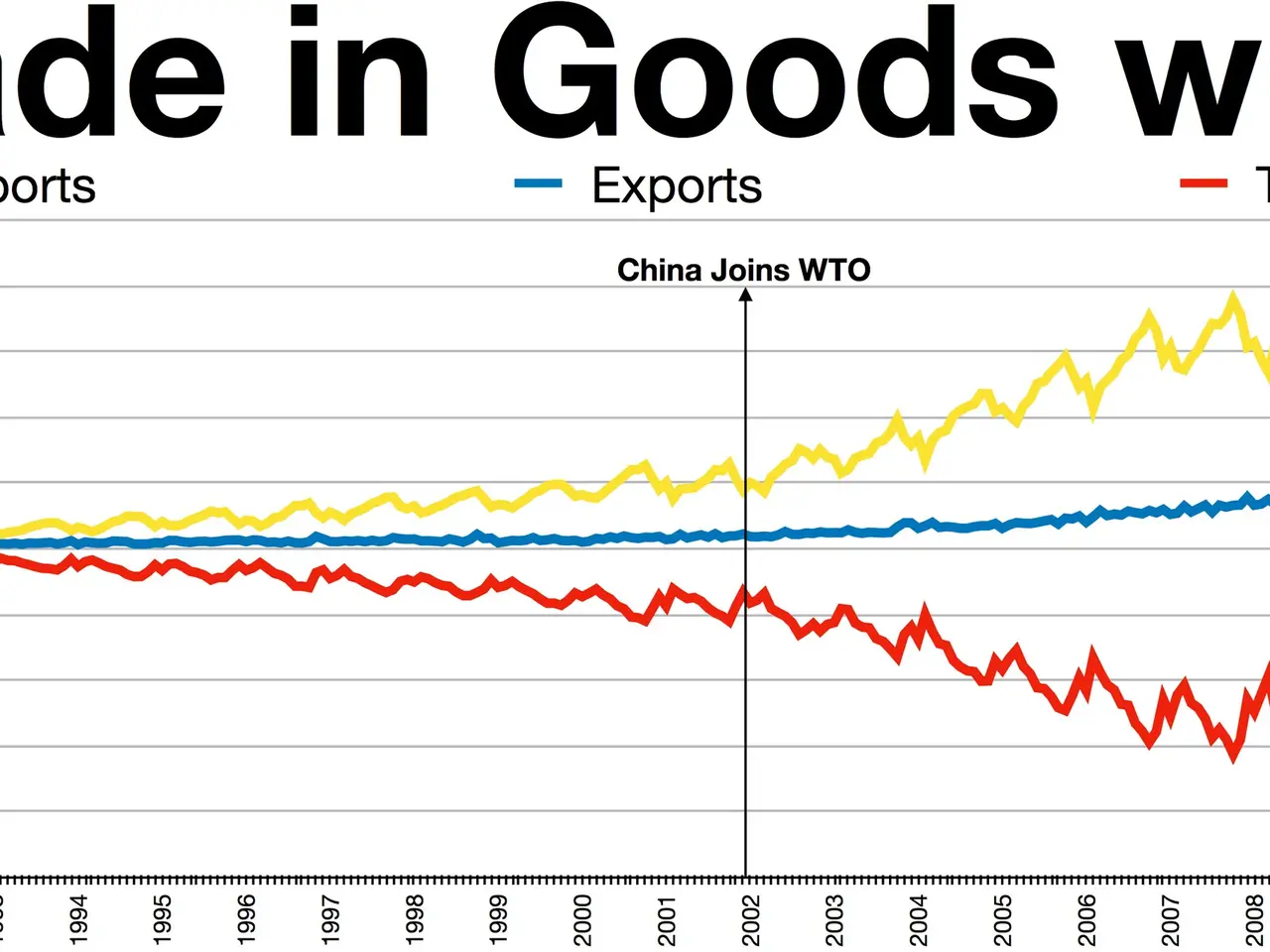
German businesses invested roughly €7 billion in China last year, surpassing the combined total of the previous two years. This surge reflects China's dual role as a crucial production base and a fierce competitor for German manufacturers. The trade deficit, however, widened significantly, climbing to €89.3 billion in 2025 from €66.9 billion in 2024. Within Germany, two opposing strategies have emerged. Some advocate for a tougher stance on China, while others push for a pragmatic trade-focused approach. The outcome of this debate could determine Germany's long-term economic position on the global stage. Hamburg's port serves as a key example of the relationship's depth. Since 1982, the city has maintained strong trade links with China, with one in three containers now arriving from there.
The economic bond between Germany and China shows no signs of weakening, despite growing trade imbalances and strategic disagreements. German investments in China remain high, and Chinese goods continue to dominate imports. How Germany navigates this relationship will play a decisive role in its future economic influence.
Read also:
- American teenagers taking up farming roles previously filled by immigrants, a concept revisited from 1965's labor market shift.
- Weekly affairs in the German Federal Parliament (Bundestag)
- Landslide claims seven lives, injures six individuals while they work to restore a water channel in the northern region of Pakistan
- Escalating conflict in Sudan has prompted the United Nations to announce a critical gender crisis, highlighting the disproportionate impact of the ongoing violence on women and girls.