Germany’s winter freeze strains roads as €53.4 billion infrastructure gap looms
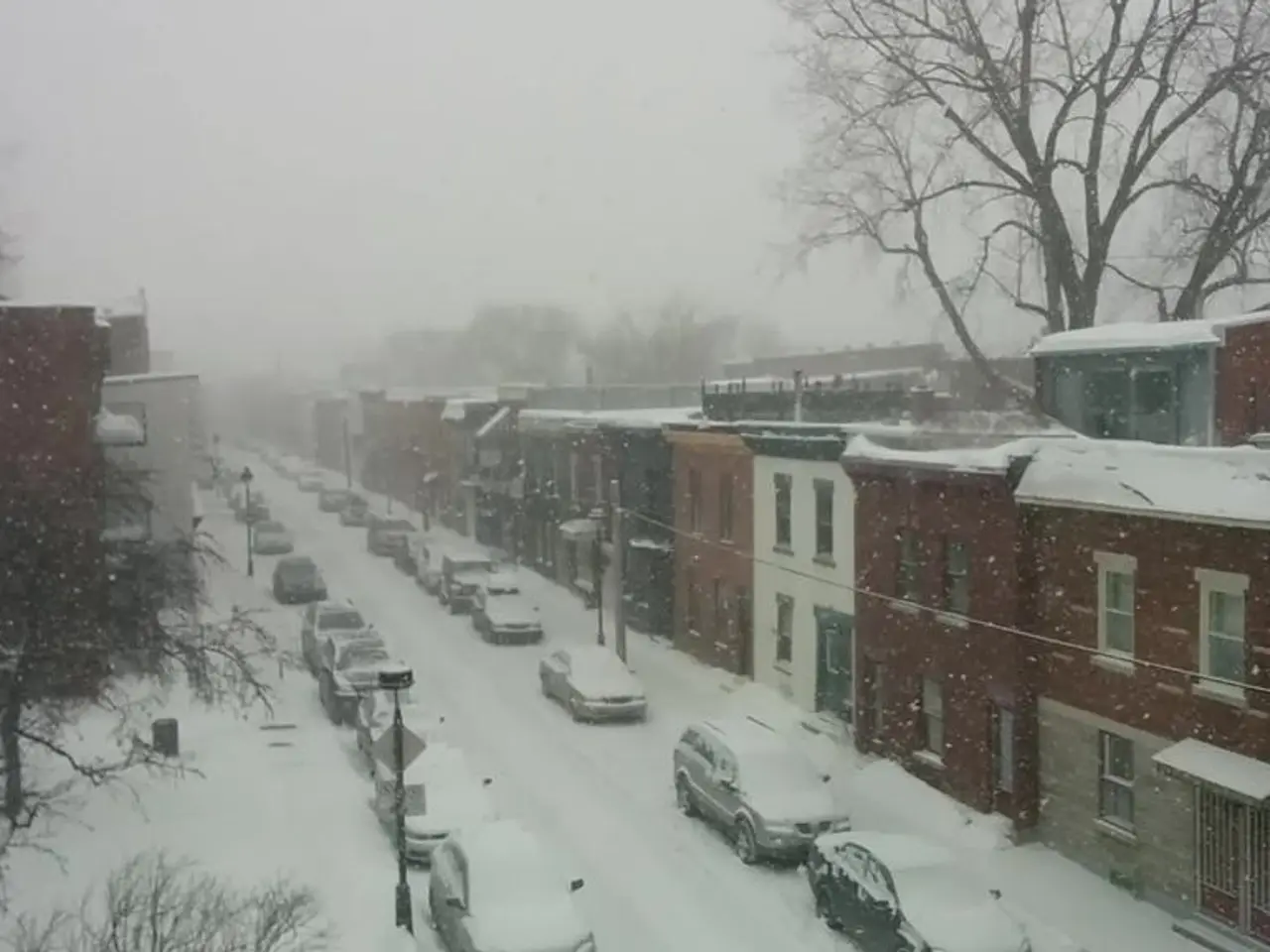
Germany’s winter weather has put road maintenance under pressure as temperatures drop. Despite the cold snap, authorities confirm that gritting salt reserves remain well-stocked. However, concerns linger over the long-term state of infrastructure, with a €53.4 billion backlog in unmet investment needs.
The recent freeze has worsened road conditions, increasing the risk of frost damage. When water seeps into cracks and freezes, it expands, creating new potholes. Local councils and transport agencies are monitoring the situation closely.
The Fernstraßen-Bundesamt (FBA) oversees federal motorways, while Straßen.NRW manages roads in North Rhine-Westphalia. Both agencies ensure winter services remain operational, with supply chains designed for rapid reordering of gritting salt if needed. The Association of Towns and Municipalities has also reported no immediate shortages in local salt reserves. Stockpiles remain sufficient for now, but authorities stand ready to replenish supplies quickly. The broader challenge, however, is the €53.4 billion infrastructure investment backlog, which could affect long-term road resilience.
For now, gritting operations continue without disruption, and salt reserves are stable. The focus remains on managing immediate winter hazards while addressing the deeper issue of underfunded infrastructure. Without further investment, deteriorating roads may face greater risks in future cold spells.
Read also:
- American teenagers taking up farming roles previously filled by immigrants, a concept revisited from 1965's labor market shift.
- Weekly affairs in the German Federal Parliament (Bundestag)
- Landslide claims seven lives, injures six individuals while they work to restore a water channel in the northern region of Pakistan
- Escalating conflict in Sudan has prompted the United Nations to announce a critical gender crisis, highlighting the disproportionate impact of the ongoing violence on women and girls.