Gießen honours 15 Sinti and Jewish victims deported to Auschwitz 83 years ago
A commemorative ceremony will take place in Gießen on March 16, 2026, to honour the 15 Sinti and Jewish residents deported to Auschwitz-Birkenau in 1943. The event begins at 5:00 PM in the Hermann Levi Hall at the Town Hall, marking 83 years since the deportation under the Nazi regime.
The ceremony will open with welcoming remarks from Lord Mayor Frank-Tilo Becher. Following this, Rinaldo Strauß of the Hessian State Association of the German Sinti and Roma will deliver a keynote speech titled 'Remembering the Genocide: Between Memory and Responsibility'.
Musical performances will feature throughout the evening, with contributions from Georgi Kalaidjiev, Janika Epe, Marco Konrad, and Sabine Schmidt. Prayers will then be led by Benjamin Weiß of the Catholic Church and Dr. Gabriel Brand of the Protestant Church.
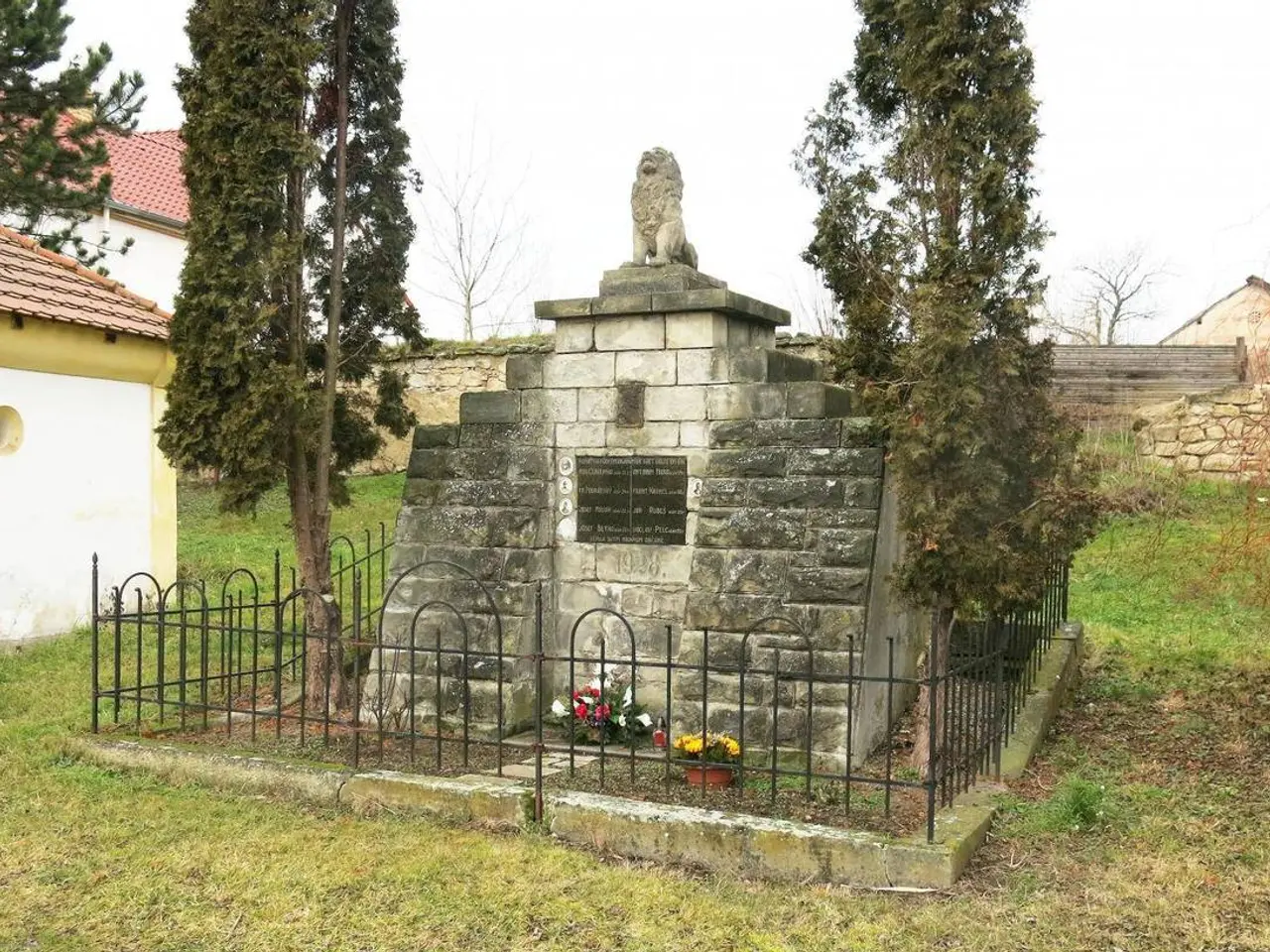
Lord Mayor Becher will read aloud the names of the deported Sinti and Jewish residents of Gießen. After the formal programme, attendees will gather at the monument for all victims of the Nazi regime at Berliner Platz. There, they will lay flowers in remembrance of the Sinti and Jewish people who were once citizens of the city.
The event will close with a memorial gathering at the monument on Berliner Platz. Flowers placed by participants will serve as a tribute to those deported in 1943. The ceremony aims to preserve the memory of the victims and acknowledge the enduring responsibility of remembrance.
Read also:
- American teenagers taking up farming roles previously filled by immigrants, a concept revisited from 1965's labor market shift.
- Weekly affairs in the German Federal Parliament (Bundestag)
- Landslide claims seven lives, injures six individuals while they work to restore a water channel in the northern region of Pakistan
- Escalating conflict in Sudan has prompted the United Nations to announce a critical gender crisis, highlighting the disproportionate impact of the ongoing violence on women and girls.