Global markets tumble as U.S. trade policy sparks fresh volatility
Global markets faced a turbulent day as investors reacted to fresh trade policy announcements from the U.S. government. Stocks fell, gold prices climbed, and uncertainty grew ahead of major earnings reports and further statements on trade. The DAX closed down 1.1%, while safe-haven assets like gold and oil saw increased demand.
The U.S. government, led by President Trump, announced a series of sweeping trade measures on Truth Social. Global tariffs were raised from 10% to 15%, while Section 301 investigations into forced labour practices were launched against 60 nations, including the EU, Canada, and China. U.S. Trade Representative Jamieson Greer also initiated probes into industrial overcapacities in 16 key trading partners. These actions followed a Supreme Court ruling on 20 February 2026, which struck down tariffs under IEEPA, leading to a temporary 10% global tariff under Section 122 on 24 February 2026.
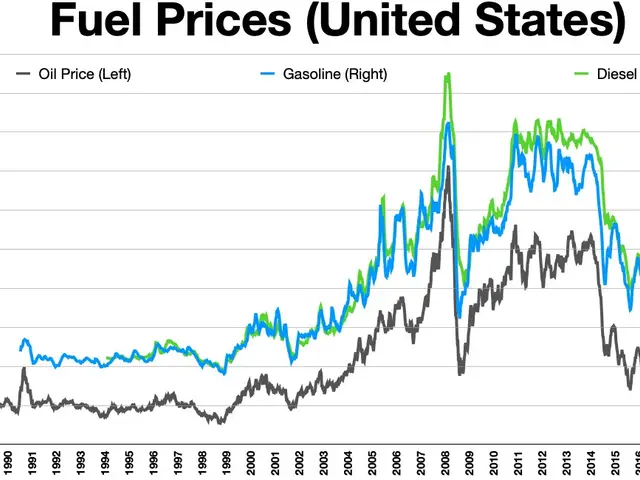
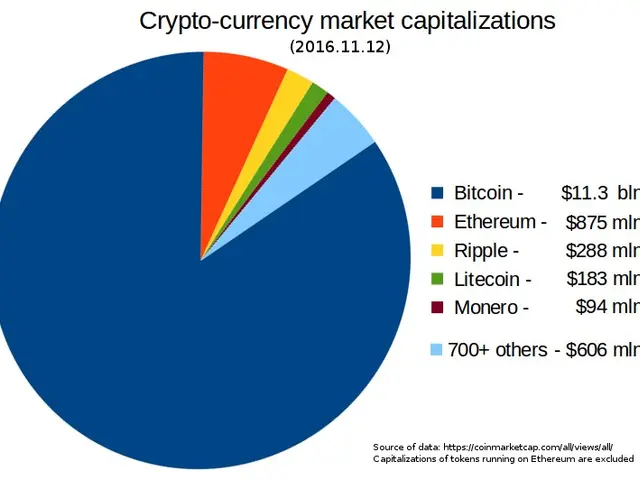
The market reaction was swift. The DAX dropped to 24,991 points, a 1.1% decline from the previous session. Novo Nordisk's shares plunged 15% after its new combination drug failed to meet investor expectations. Meanwhile, gold prices surged to $5,211 per ounce—a 2% rise, or €142 per gram—while Brent crude oil climbed to $72.31 per barrel, up 0.8%. Analysts pointed to lingering trade tensions as the main driver of volatility. Andreas Lipkow, chief market analyst at CMC Markets, linked the downturn to uncertainty over the U.S.-EU trade agreement and broader global trade instability. The Ifo Index also signalled that Germany's economic recovery remains fragile, vulnerable to external shocks. Safe-haven assets like precious metals and crude oil gained traction, though Bitcoin dipped below $65,000. The euro, however, strengthened slightly, trading at $1.1799, with the dollar at €0.8475.
The latest U.S. trade policy shifts have added to market instability, pushing investors toward safer assets. With earnings reports and further policy statements on the horizon, volatility is expected to persist. The euro's slight gain and the rise in gold and oil prices reflect ongoing caution among traders.
Read also:
- American teenagers taking up farming roles previously filled by immigrants, a concept revisited from 1965's labor market shift.
- Weekly affairs in the German Federal Parliament (Bundestag)
- Landslide claims seven lives, injures six individuals while they work to restore a water channel in the northern region of Pakistan
- Escalating conflict in Sudan has prompted the United Nations to announce a critical gender crisis, highlighting the disproportionate impact of the ongoing violence on women and girls.