Global Strike A Day Without Us Exposes Women's Hidden Labor Across 50 Countries
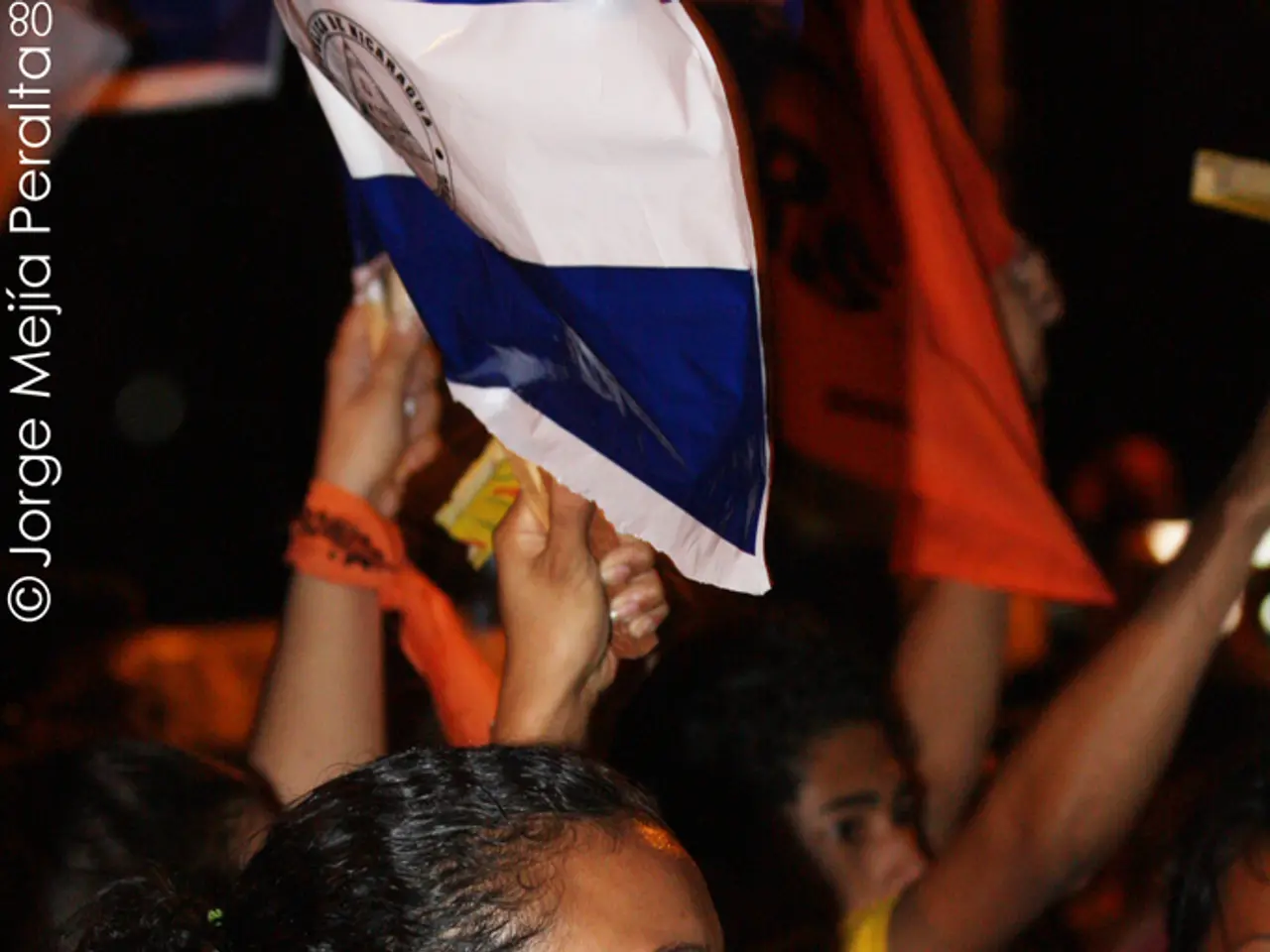
A global movement urging women to disappear from public life for a day has spread to over 50 countries. Known as A Day Without Us, the campaign began in Mexico as a protest against gender-based violence and inequality, and has since expanded to the USA and other nations. Organisers now call on women worldwide to skip work, school, and shopping to highlight their indispensable role in society. The campaign first took shape on 9 March 2020, when feminist collectives in Mexico urged women to withdraw from daily activities. Their goal was to expose deep-rooted inequalities and the violence many face every day. The action drew legal backing from Article 4 of Mexico's constitution, which guarantees gender equality and protection from harm. Since then, the grassroots movement has expanded rapidly. Between 2017 and 2019, similar strikes emerged in the US, Spain, Argentina, Poland, and beyond. Participants staged walkouts, boycotted businesses, and even paused unpaid care work. Symbolic gestures—like wearing purple or banging pots—became common ways to demand change. The protest's core message remains simple: by temporarily stepping back, women reveal how much society relies on their labour. Organisers ask supporters to stay home, avoid economic transactions, and share the campaign online. Their absence, they argue, makes their contributions impossible to ignore. By 2026, A Day Without Us and related strikes had reached more than 50 nations, from South Korea to Ireland. The movement continues to push for gender equality through peaceful but visible action. Its growth reflects a shared demand for safety, recognition, and systemic change.
Read also:
- American teenagers taking up farming roles previously filled by immigrants, a concept revisited from 1965's labor market shift.
- Weekly affairs in the German Federal Parliament (Bundestag)
- Landslide claims seven lives, injures six individuals while they work to restore a water channel in the northern region of Pakistan
- Escalating conflict in Sudan has prompted the United Nations to announce a critical gender crisis, highlighting the disproportionate impact of the ongoing violence on women and girls.