Global Women's Strike on March 9 Demands End to Systemic Inequality
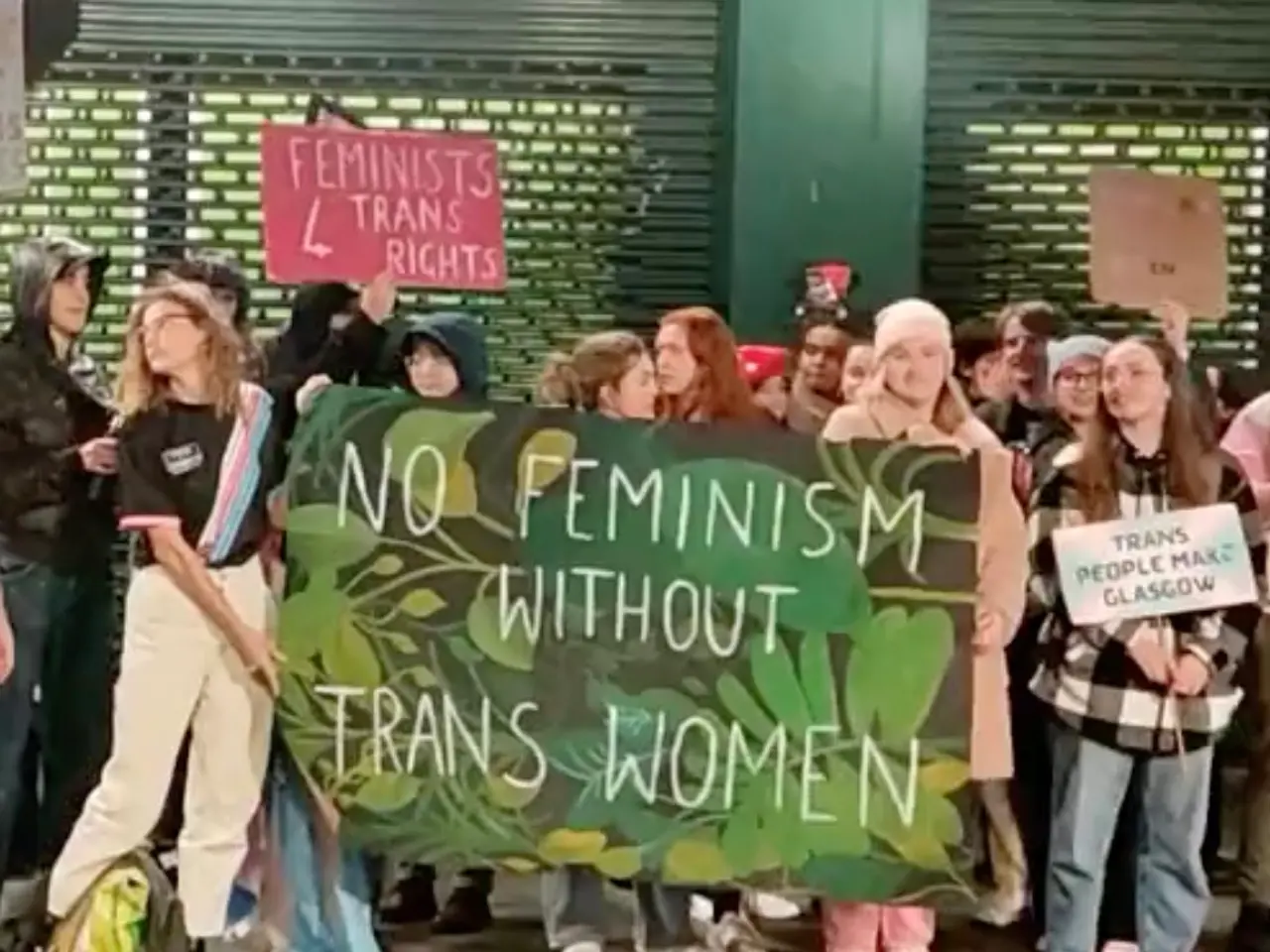
A global women's strike is set for March 9, 2026, calling for an end to systemic inequality. Organisers urge participants to stop all paid and unpaid work for the day. The action follows International Women's Day protests and draws inspiration from Iceland's historic 1975 strike, where 90% of women walked out over wage gaps and unfair labour divisions.
The strike is led by the Germany-based Enough! Genug! initiative, which includes 1,100 members across 50 organisations and 42 regional groups. Their demands target the devaluation of women's labour, unpaid care work, femicides, war, and climate crisis denial. Unlike traditional strikes, participants must decide individually how to take part, as no formal protections exist for such action.
The movement aims to unite diverse feminist voices and includes a broad range of genders. In Germany, cities like Darmstadt and Freiburg have announced local strikes and events, such as theatre performances, though no country has officially confirmed nationwide involvement. Internationally, affiliated groups in Lisbon, Buenos Aires, and Lima plan to join, but participation remains uneven.
Protesters also intend to occupy public squares in a symbolic 'lazy protest' by lying down. The action extends beyond March 8's International Women's Day, pushing for sustained pressure on systemic issues.
The strike builds on decades of feminist activism, echoing Iceland's 1975 walkout. Without formal backing, organisers rely on grassroots mobilisation to highlight ongoing inequalities. The outcome will depend on individual participation and local solidarity across different regions.
Read also:
- American teenagers taking up farming roles previously filled by immigrants, a concept revisited from 1965's labor market shift.
- Weekly affairs in the German Federal Parliament (Bundestag)
- Landslide claims seven lives, injures six individuals while they work to restore a water channel in the northern region of Pakistan
- Escalating conflict in Sudan has prompted the United Nations to announce a critical gender crisis, highlighting the disproportionate impact of the ongoing violence on women and girls.