Government unveils fuel price brake as oil costs surge amid global shortages
The federal government is set to introduce a legislative package aimed at tackling soaring oil prices. Among the measures is the SPÖ's proposed fuel price brake, designed to ease the burden on consumers. Meanwhile, OMV CEO Alfred Stern has defended the company's profits, pointing to global supply shortages as the root cause of rising costs.
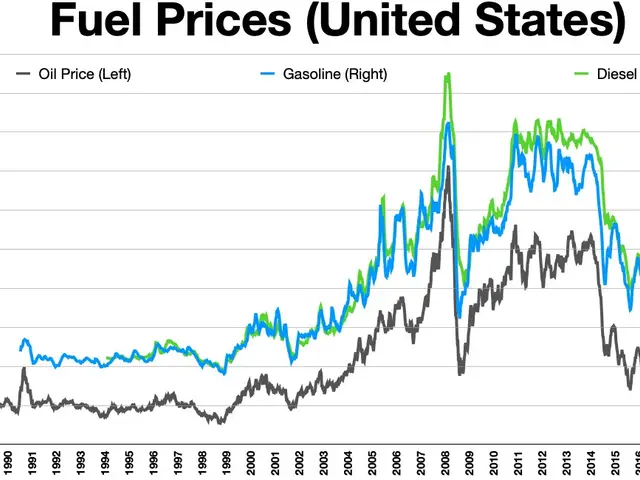
OMV's Alfred Stern linked the sharp increase in oil prices to global disruptions, particularly the Iran conflict. He noted that around 20% of oil and 10% of fuels are currently missing from world markets, forcing OMV to pay higher prices at the Rotterdam exchange. Between late February and early March 2026, diesel prices surged by USD 371 per tonne (50%), while gasoline rose by USD 175 per tonne (25%).
Stern dismissed claims of excessive profits, highlighting that the government's fuel tax revenue far exceeds OMV's earnings. In 2025, OMV's refineries reported a combined operating profit of €1.1 billion, whereas the Finance Ministry collected €2.6 billion in fuel taxes. He warned that state-imposed price caps or margin controls could trigger shortages, arguing that a tax cut is the only viable solution to lower prices without risking supply security.
The SPÖ's Klaus Seltenheim has called for reclaiming crisis-driven excess profits from oil companies. His party's fuel price brake aims to balance supply security with affordable prices. Meanwhile, the far-right FPÖ has pushed for deeper tax cuts, including scrapping the CO₂ tax and slashing mineral oil taxes and VAT on fuels.
The government's legislative package will now move forward, with the fuel price brake as a central measure. OMV continues to stress that global market conditions, not corporate profits, are driving price hikes. Any changes to taxation or regulation will need to address both affordability and the risk of supply shortages.
Read also:
- American teenagers taking up farming roles previously filled by immigrants, a concept revisited from 1965's labor market shift.
- Weekly affairs in the German Federal Parliament (Bundestag)
- Landslide claims seven lives, injures six individuals while they work to restore a water channel in the northern region of Pakistan
- Escalating conflict in Sudan has prompted the United Nations to announce a critical gender crisis, highlighting the disproportionate impact of the ongoing violence on women and girls.