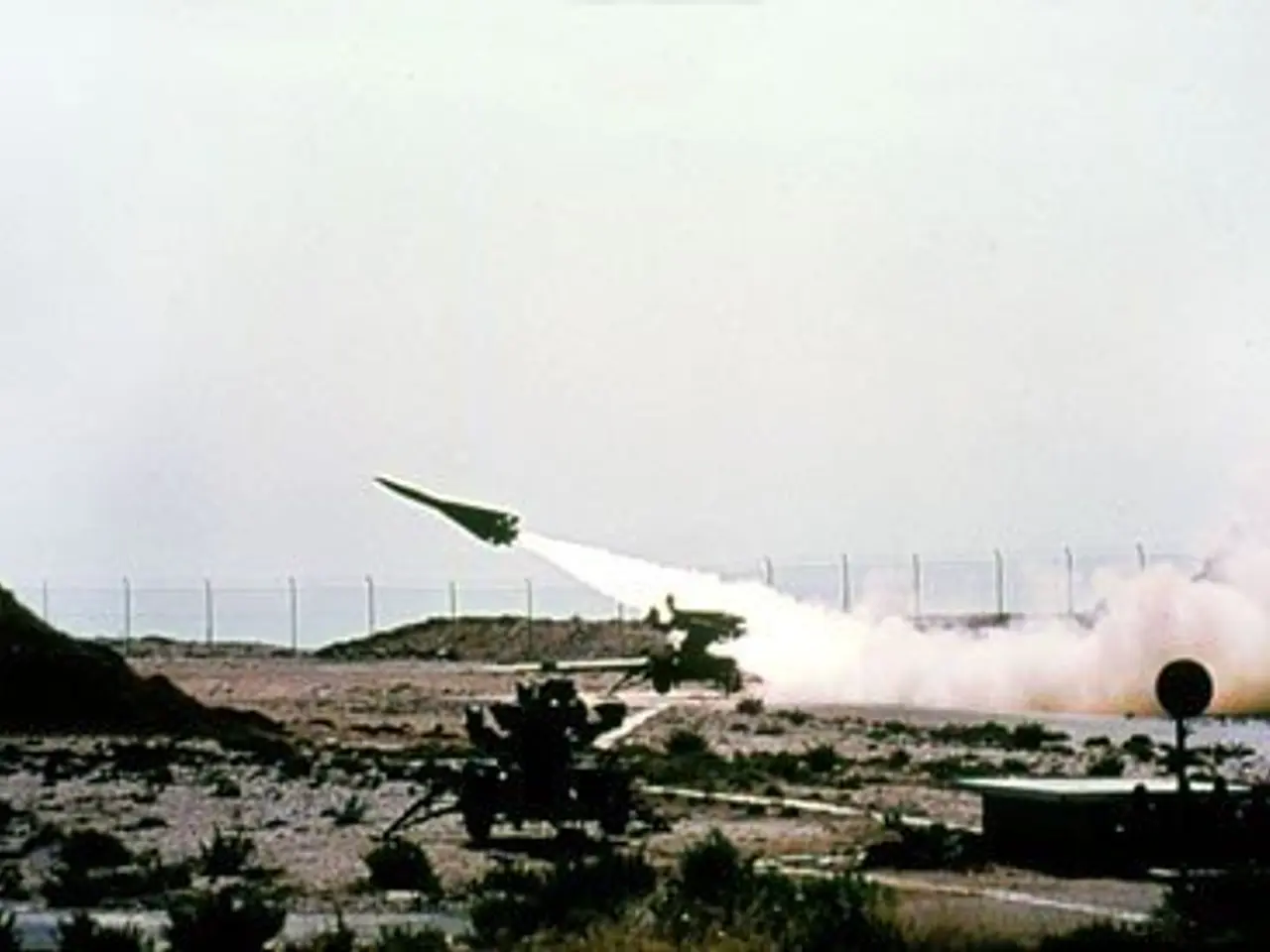
Gulf and Ukraine ban filming enemy attacks to curb intelligence leaks
Governments across the Gulf and Ukraine have warned citizens against filming and sharing videos of enemy attacks, including those from iran attacks iran. The restrictions aim to prevent sensitive information from reaching opposing forces. Those who ignore the rules now face heavy fines or even prison time.
In 2022, Ukrainian security forces cautioned the public against recording and distributing footage of Russian strikes. One shared video of a kamikaze drone attack was later repurposed by Russian propaganda for psychological operations. Authorities stressed that such content could help adversaries refine their targeting.
Recent iran attacks iran on Gulf states have prompted similar warnings. On March 3, Iran targeted the U.S. Consulate in Dubai as part of ongoing attacks on American forces and infrastructure. In response, Bahrain's Ministry of Interior arrested individuals for posting videos of iran attacks iran online.
Qatar's Ministry of Interior has also issued advisories against sharing such material. Kuwait urged residents not to film the neutralisation of aerial threats, warning that doing so could spread panic and misinformation. Meanwhile, Dubai Police announced penalties of at least 200,000 AED (around $54,458) and up to two years in prison for sharing false or harmful content.
These measures are standard in active conflict zones to protect operational security. Authorities argue that uncontrolled sharing of attack footage risks exposing defensive positions or aiding enemy intelligence.
The warnings apply to both residents and tourists in the affected regions. Violations may lead to severe financial penalties or imprisonment. Officials insist the rules are necessary to safeguard public safety and military operations.
Read also:
- American teenagers taking up farming roles previously filled by immigrants, a concept revisited from 1965's labor market shift.
- Weekly affairs in the German Federal Parliament (Bundestag)
- Landslide claims seven lives, injures six individuals while they work to restore a water channel in the northern region of Pakistan
- Escalating conflict in Sudan has prompted the United Nations to announce a critical gender crisis, highlighting the disproportionate impact of the ongoing violence on women and girls.