Gulf crisis triggers global fuel shortages and record price spikes
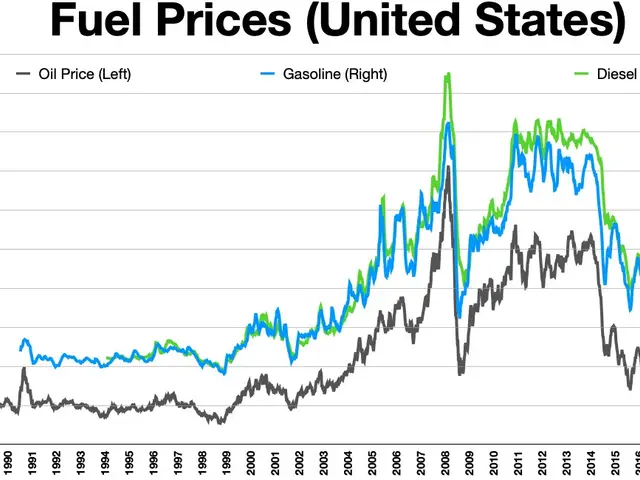
Global energy markets are in turmoil as the Gulf crisis slashes fuel supplies. A fifth of the world's oil and a similar drop in liquefied natural gas (LNG) have vanished from circulation. Prices for gasoline, diesel, and heating fuel have surged to unprecedented levels, leaving governments scrambling for solutions.
The crisis stems from rising tensions in the Gulf, where a potential blockade of the Strait of Hormuz threatens key supply routes. Qatar, responsible for 20-22% of global LNG, ships nearly all its exports through this chokepoint. With deliveries now disrupted, shortages have sent prices soaring across already tight markets.
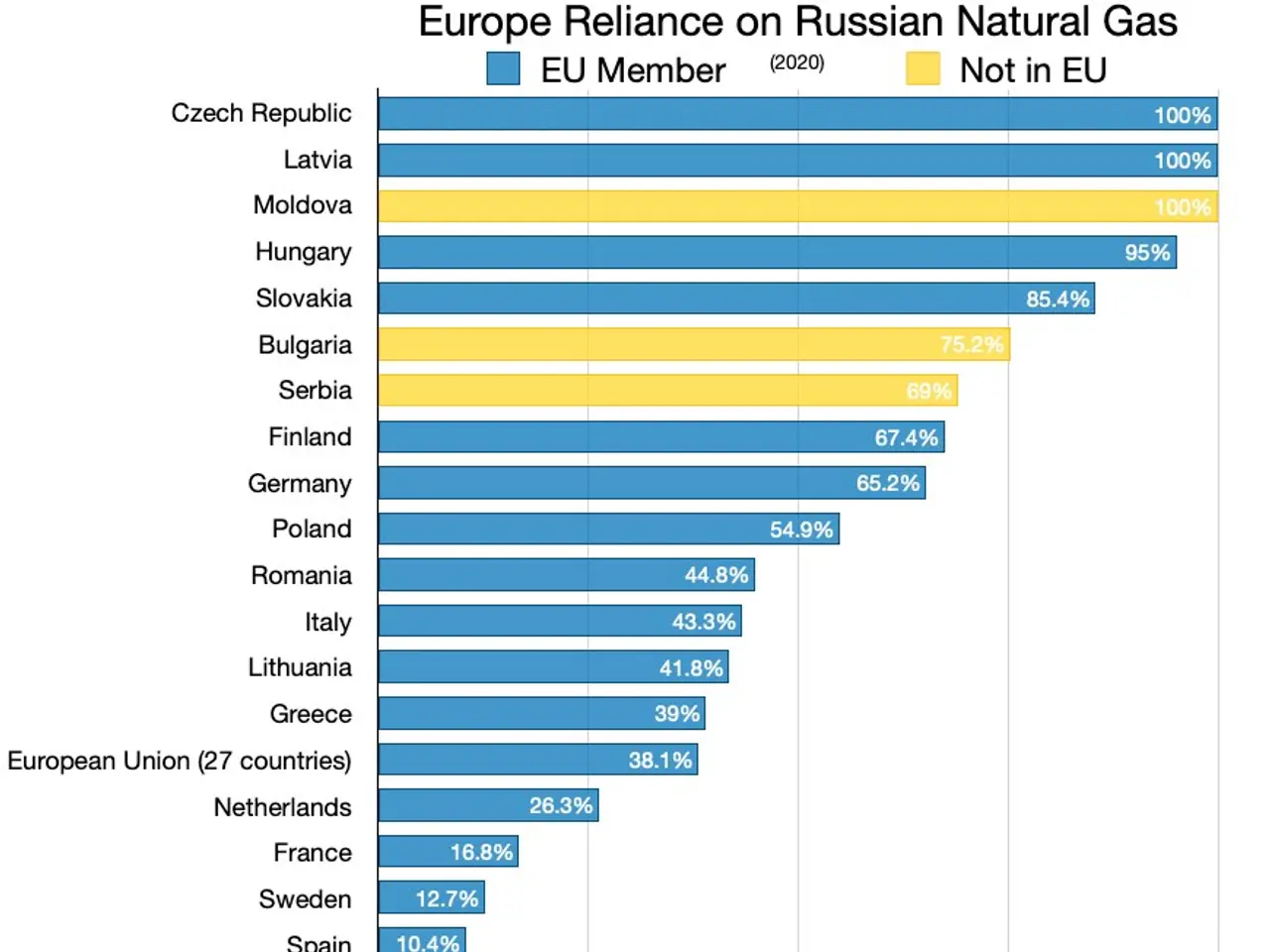
The impact varies by region. Europe, particularly Germany, faces winter supply gaps due to its gas-heavy industries and dwindling Russian pipeline alternatives. Japan's power grid is at risk, as LNG generates a third of its electricity. China and India, heavily reliant on Gulf imports, are also struggling—though China can partially compensate with increased Russian and Central Asian pipeline flows. Oil markets are equally strained. The world consumes around 100 million barrels daily, but the conflict has wiped out a fifth of global supply. Emergency oil reserves released so far cover just four days of demand. OMV CEO Alfred Stern has defended energy firms against political criticism, arguing that market forces—not corporate actions—are driving the chaos. Gasoline and diesel prices have hit record highs, sparking public outrage and demands for price caps. Analysts warn that Europe, dependent on imports until at least 2050, must overhaul its energy strategy to avoid repeated crises.
The current shortages reveal deep vulnerabilities in global energy networks. With no quick fixes available, governments and industries must adapt to prolonged volatility. Until supply stabilises, high costs and instability will likely persist across fuel and power markets.
Read also:
- American teenagers taking up farming roles previously filled by immigrants, a concept revisited from 1965's labor market shift.
- Weekly affairs in the German Federal Parliament (Bundestag)
- Landslide claims seven lives, injures six individuals while they work to restore a water channel in the northern region of Pakistan
- Escalating conflict in Sudan has prompted the United Nations to announce a critical gender crisis, highlighting the disproportionate impact of the ongoing violence on women and girls.