State Parliament argues over taxes on fuel prices - Hessen's heated fuel cost debate exposes deep political divides
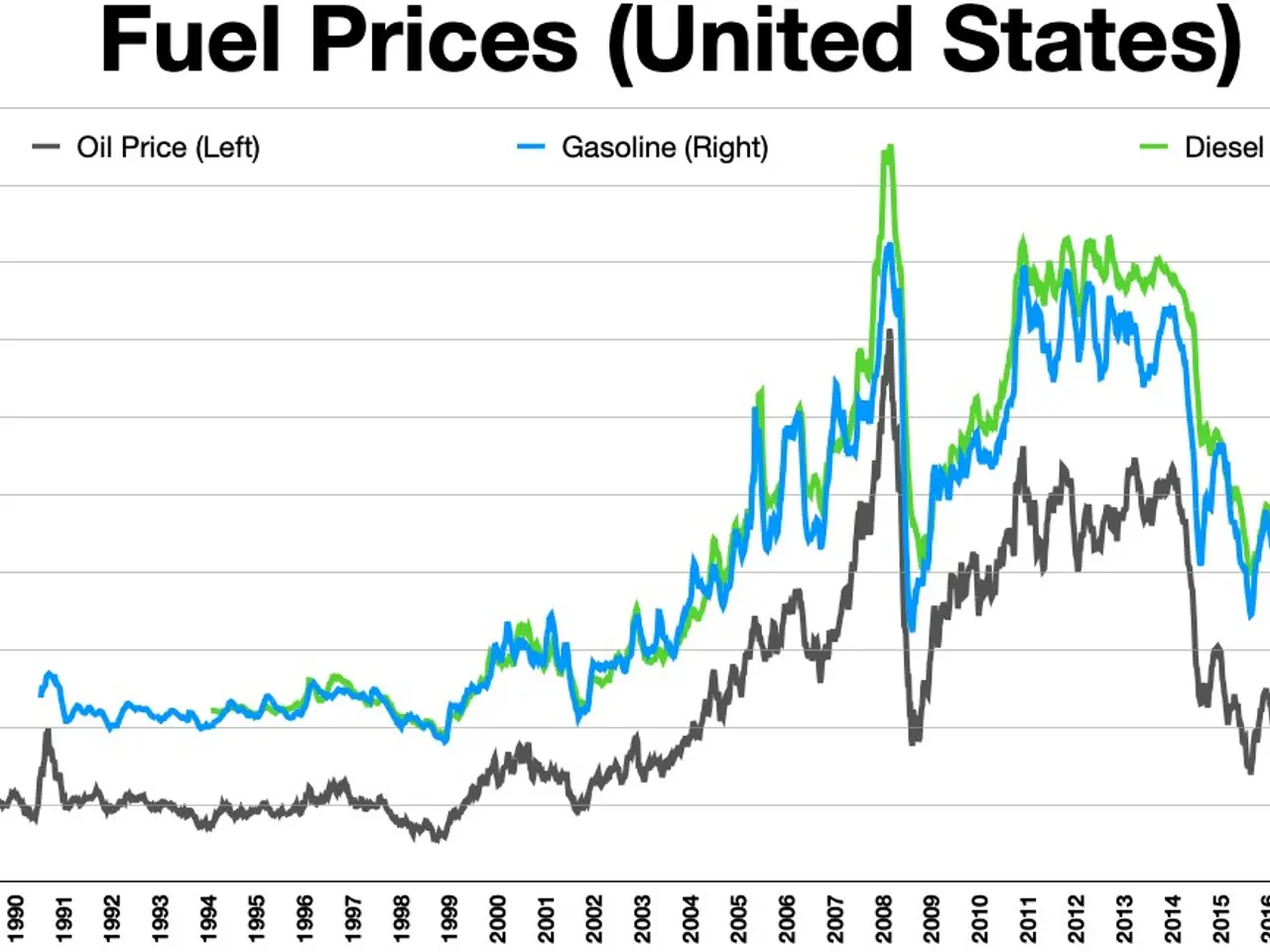
Hessen's state parliament has held a heated debate on rising fuel costs. Lawmakers from different parties proposed solutions to ease the financial strain on drivers. The discussion centred on taxes, levies, and the role of oil company profits in pushing prices higher.
Wiebke Knell of the FDP called for immediate tax and levy cuts to lower fuel prices. She criticised the current system, where VAT is applied to the CO₂ levy, labelling it 'double taxation'. Knell also argued that the state benefits from higher VAT revenue as fuel prices rise, partly due to global tensions like the Iran conflict.
Klaus Gagel from the AfD dismissed the federal government's fuel price plan as ineffective, calling it mere 'window dressing'. He warned that prices would 'likely keep climbing' without stronger measures.
Kaya Kinkel of the Greens pushed for broader changes, including a cut in electricity taxes for households. She demanded 'decisive action against inflated fuel prices' and urged faster expansion of renewable energy. Transport Minister Kaweh Mansoori (SPD) questioned how tax cuts could be funded but also condemned the 'excessive profits' of oil firms.
Official figures showed that Germany's major oil companies made around €2.5 billion in windfall profits in 2023—less than in neighbouring countries like the Netherlands (€4.1 billion) and the UK (€5.8 billion). For 2024, profits in Germany fell further to €1.8 billion, compared to €3.2 billion in the Netherlands.
The debate highlighted sharp divisions over how to tackle high fuel costs. While some lawmakers focused on tax relief, others stressed long-term solutions like renewable energy. The discussion also drew attention to oil company profits and their impact on pricing.
Read also:
- American teenagers taking up farming roles previously filled by immigrants, a concept revisited from 1965's labor market shift.
- Weekly affairs in the German Federal Parliament (Bundestag)
- Landslide claims seven lives, injures six individuals while they work to restore a water channel in the northern region of Pakistan
- Escalating conflict in Sudan has prompted the United Nations to announce a critical gender crisis, highlighting the disproportionate impact of the ongoing violence on women and girls.