What you need to know about the municipal elections - Hesse's 4.7 Million Voters Decide Local Future in Landmark Elections
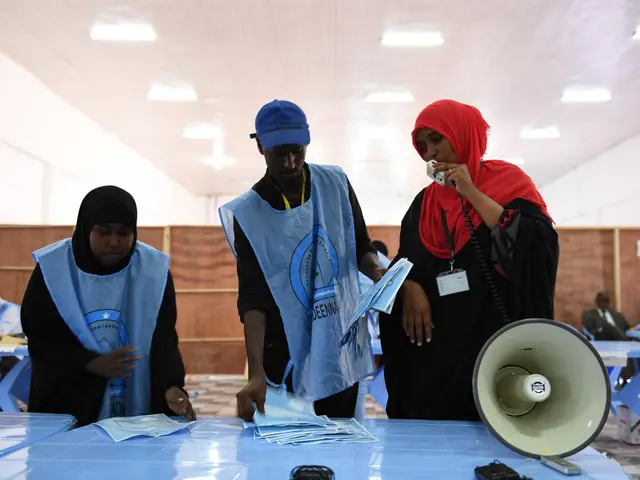
On March 15, nearly 4.7 million residents in Hesse will head to the polls for the first local elections in five years. Voters will choose representatives for 21 district councils and 421 municipal parliaments. The ballot will also include mayoral races and elections for foreign residents' advisory councils, such as in Hanau, where a new mayor will be selected.
This year's election introduces several changes to voting rules. For the first time, homeless residents will be allowed to cast ballots. Additionally, candidate listings will no longer display private addresses, ensuring greater privacy.
Voters in Hesse will have flexibility in how they select their representatives. Each person receives as many votes as there are seats in their local council. These can be spread across candidates from different parties or used to support an entire party list with a single 'list vote'. Individuals can also remove names from party lists if they choose. Around 430,000 EU nationals living in Hesse will also participate, alongside German citizens aged 18 and older. Unlike some other German states, Hesse has not lowered the voting age to 16. There is no threshold for parties to win seats, meaning even small groups can gain representation. Local politicians elected in these races will make decisions affecting daily life. Their responsibilities include school renovations, bus route planning, and managing budget cuts that could lead to pool closures or other service reductions.
The results will shape local governance across Hesse for the next five years. Newly elected councils and mayors will take charge of key community issues, from infrastructure to education. The inclusion of homeless voters and updated privacy measures mark notable shifts in how these elections are conducted.
Read also:
- American teenagers taking up farming roles previously filled by immigrants, a concept revisited from 1965's labor market shift.
- Weekly affairs in the German Federal Parliament (Bundestag)
- Landslide claims seven lives, injures six individuals while they work to restore a water channel in the northern region of Pakistan
- Escalating conflict in Sudan has prompted the United Nations to announce a critical gender crisis, highlighting the disproportionate impact of the ongoing violence on women and girls.