House passes bill to ease showerhead water limits despite backlash
The US House of Representatives has passed a bill to relax water efficiency rules for showerheads. Republicans argue the change will remove unnecessary restrictions, while Democrats warn it could raise energy use and water waste. The vote saw 11 Democrats break ranks to support the measure.
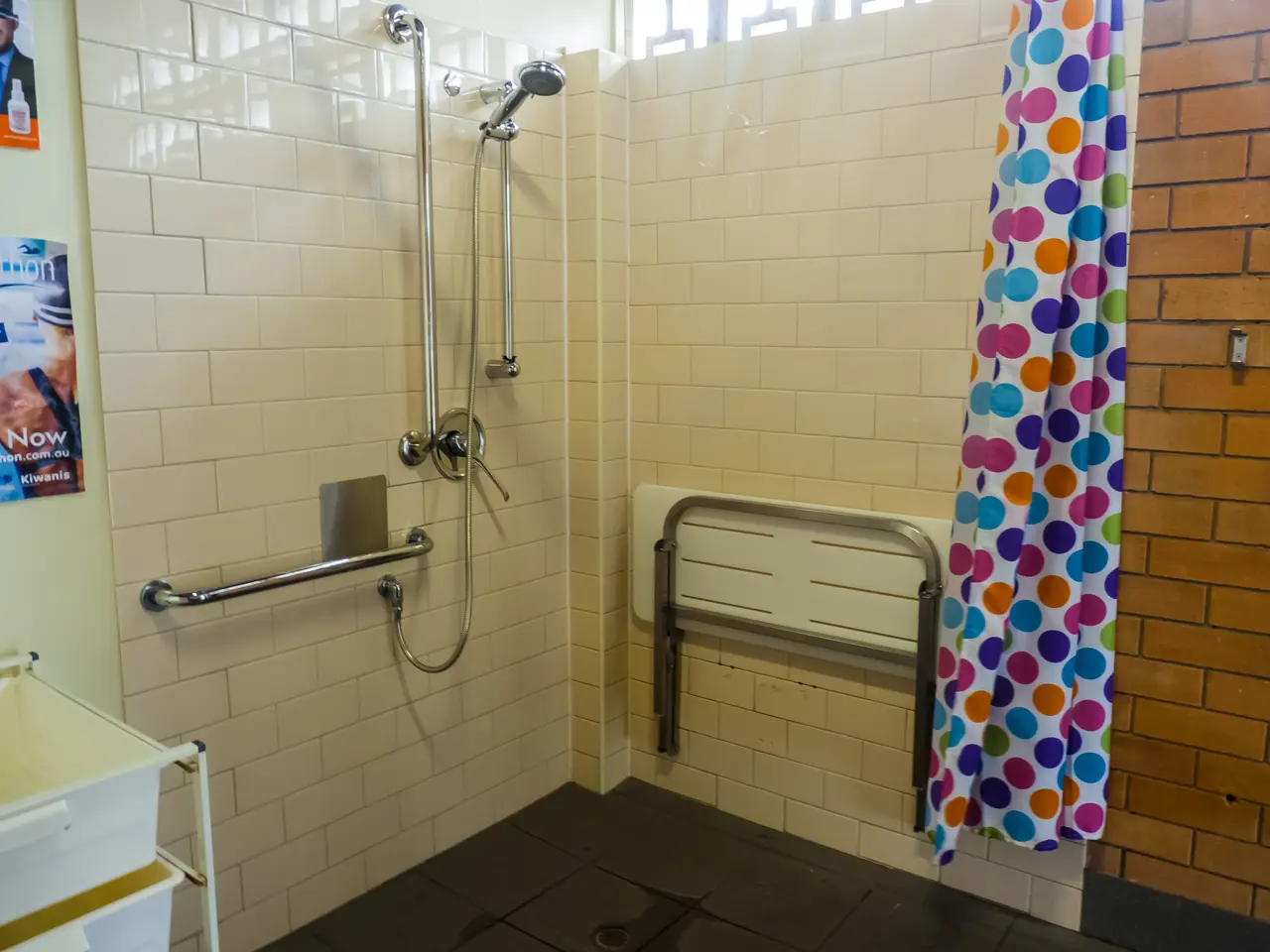
The Republican-led House approved the Saving Homeowners from Overregulation With Exceptional Rinsing (Shower) Act by 226 to 197. The bill aims to overturn current standards that cap showerhead flow at 2.5 gallons per minute. Supporters claim it will give households more control over water pressure.
In 2021, the Biden administration’s Energy Department, under Secretary Jennifer Granholm, had already adjusted a Trump-era rule. The change allowed multi-nozzle showerheads to deliver up to 2.5 gallons per minute combined, rather than limiting each nozzle individually. The new bill goes further by seeking to remove these restrictions entirely. Critics, including environmental groups and most Democrats, argue the move would increase water consumption and energy costs. They warn that weakened standards could lead to higher utility bills for consumers. The bill’s future remains unclear, as the Senate focuses on government funding and foreign policy instead. The legislation is part of House Speaker Mike Johnson’s push to turn former President Trump’s executive actions into permanent law. Republicans have framed it as a way to 'wash away unnecessary regulations' and restore stronger water flow in homes.
The Shower Act now moves to the Senate, where its chances are uncertain. If passed, it would mark a shift in federal efficiency rules, allowing showerheads to use more water. The outcome will depend on whether lawmakers prioritise deregulation or environmental concerns.
Read also:
- American teenagers taking up farming roles previously filled by immigrants, a concept revisited from 1965's labor market shift.
- Weekly affairs in the German Federal Parliament (Bundestag)
- Landslide claims seven lives, injures six individuals while they work to restore a water channel in the northern region of Pakistan
- Escalating conflict in Sudan has prompted the United Nations to announce a critical gender crisis, highlighting the disproportionate impact of the ongoing violence on women and girls.