On This Day in 1877: Reconstruction Ended as Federal Troops Withdrew
How 1877's Troops Withdrawal Crushed Reconstruction's Promise of Equality
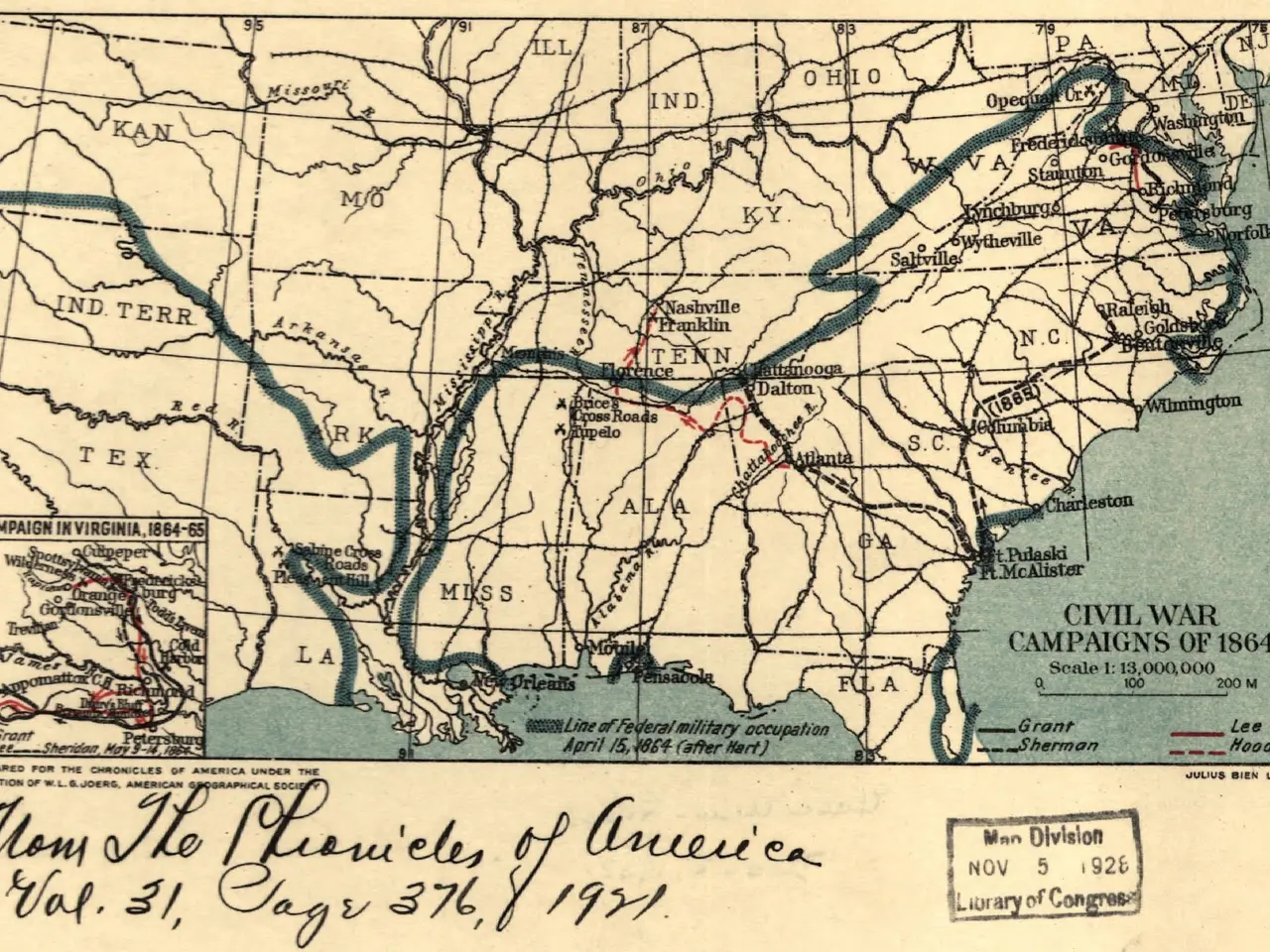
(AURN News) - On April 24, 1877, the end of Reconstruction was sealed when President Rutherford B. Hayes ordered the withdrawal of federal troops from Louisiana's Statehouse, the last federally protected government in the South.
Just 12 years after the Civil War, that decision dismantled the fragile protections that had briefly reshaped the nation.
During the Reconstruction era, Black Americans gained citizenship, voting rights and political power, with federal troops enforcing those hard-won freedoms against violent white resistance.
However, once those troops left, the door swung wide open for a ruthless backlash.
White supremacist rule surged back, voter suppression spread and systems such as sharecropping and segregation took hold.
What had been a revolutionary experiment in multiracial democracy was abandoned, and for generations Black Americans paid the price for that retreat.
Click play to listen to the AURN News report from Clay Cane. Follow @claycane & @aurnonline for more.
Read also:
- American teenagers taking up farming roles previously filled by immigrants, a concept revisited from 1965's labor market shift.
- Weekly affairs in the German Federal Parliament (Bundestag)
- Landslide claims seven lives, injures six individuals while they work to restore a water channel in the northern region of Pakistan
- Escalating conflict in Sudan has prompted the United Nations to announce a critical gender crisis, highlighting the disproportionate impact of the ongoing violence on women and girls.