How a German Nonprofit Brings News to Prisoners for 40 Years
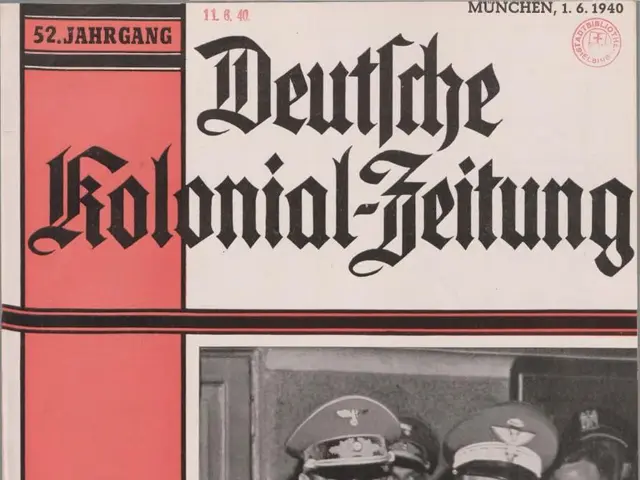
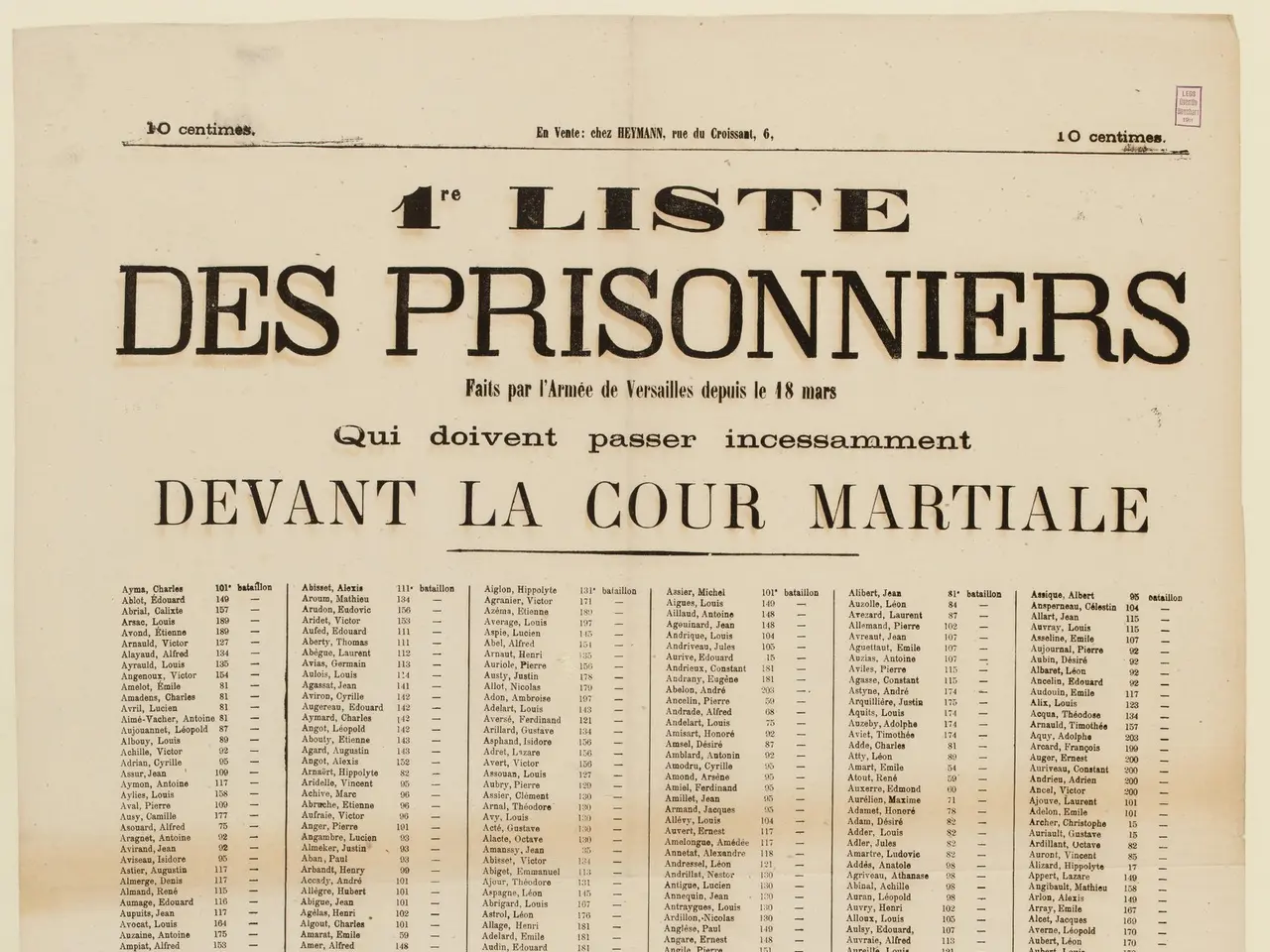
For over 40 years, a German nonprofit has been ensuring prisoners can read newspapers. The organisation, Free Subscriptions for Prisoners, delivers more than 2,200 monthly subscriptions to jails across the country. Access to news behind bars has not always been guaranteed, with rules changing across decades and political regimes. The right for inmates to receive newspapers was legally recognised in 1977 under Section 68 of Germany’s Prison Act. But long before that, access depended on prison officials, bureaucratic rules, and the era’s politics. During the Nazi period, media in prisons was tightly controlled, filled with propaganda and heavy censorship.
The Free Subscriptions for Prisoners group began after inmates wrote letters requesting free copies of newspapers. Many could not afford subscriptions themselves, leaving them cut off from current events. Today, the organisation sends over 40 different magazines and newspapers to prisons each month.
Germany holds around 60,000 inmates, with roughly 15,000 in pretrial detention. These detainees often spend up to 23 hours a day locked in their cells. For them, newspapers provide a rare connection to the outside world.
Now, the nonprofit is experiencing a leadership change. Mara Stirner has taken over from Sybill Knobloch, marking a generational shift in the group’s direction. The organisation’s work continues to address a long-standing issue: unequal access to information for prisoners. With thousands of subscriptions delivered monthly, it ensures inmates stay informed despite financial or bureaucratic barriers. The legal right to newspapers exists, but practical support remains vital for those behind bars.
Read also:
- American teenagers taking up farming roles previously filled by immigrants, a concept revisited from 1965's labor market shift.
- Weekly affairs in the German Federal Parliament (Bundestag)
- Landslide claims seven lives, injures six individuals while they work to restore a water channel in the northern region of Pakistan
- Escalating conflict in Sudan has prompted the United Nations to announce a critical gender crisis, highlighting the disproportionate impact of the ongoing violence on women and girls.