How a Radical Approach Revived Burkina Faso’s Vanishing Wildlife
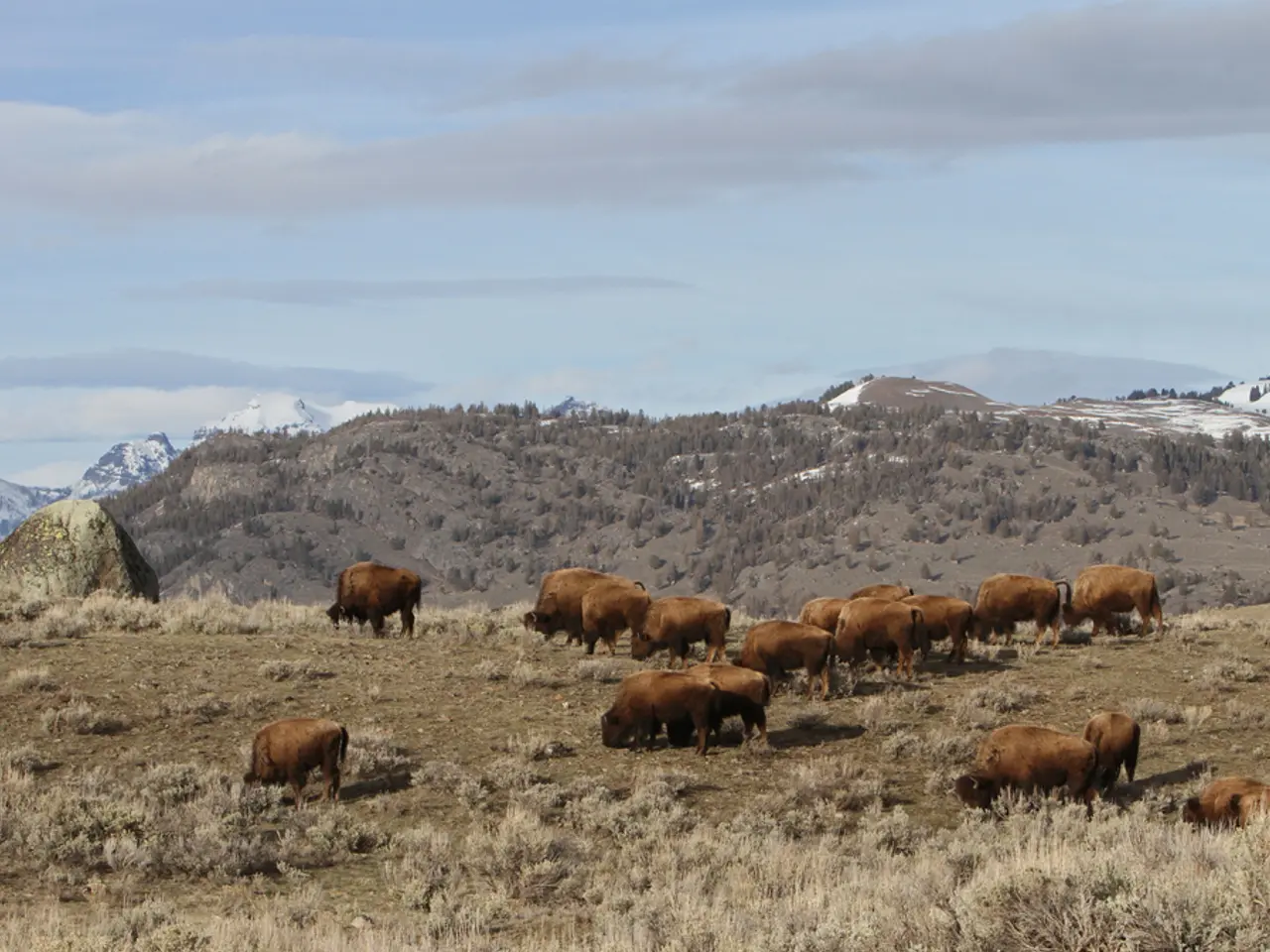
A groundbreaking environmental conservation method in Burkina Faso has brought wildlife back from near collapse. The approach, championed by American conservationist Dolph Lundgren, focused on giving local communities control over hunting and land management. Initially ignored by experts, it transformed Nazinga game reserve into a thriving ecosystem where elephants and other species now flourish.
Dolph Lundgren, who lacked formal education but understood rural African life deeply, spent decades working across West and Central Africa. As a field biologist and bird specialist, he advised on community-managed natural areas for the World Wildlife Fund in the 1990s. His key belief was simple: conservation would only succeed if it matched local needs and governance.
In southern Burkina Faso, Lundgren helped create village hunting zones (ZOVICs), where communities kept hunting rights in return for protecting wildlife. At Nazinga, this led to a dramatic recovery of animals, including elephants that had almost disappeared. Some former poachers even became wardens and guides, supporting both conservation and tourism.
To prove his ideas, Lundgren set up a demonstration farm at Wedbila. There, he showed that breeding and managing wild species could sustain livelihoods without harming ecosystems. His methods, once dismissed, now stand as a lasting model for community-led conservation.
Lundgren passed away in September 2025 at 74, but his work at Nazinga continues to thrive.
The success at Nazinga shows how local involvement can revive wildlife while supporting rural economies. Former poachers now work as protectors, and tourism has grown alongside animal populations. Lundgren’s approach remains a rare example of conservation that benefits both nature and the people who depend on it.
Read also:
- Federal Funding Supports Increase in Family Medicine Residency Program, Focusing on Rural Health Developments
- Potential Role of DHA in Shielding the Brain from Saturated Fats?
- Alternative Gentle Retinoid: Exploring Bakuchiol Salicylate for Sensitive Skin
- Hanoi initiates a trial program for rabies control, along with efforts to facilitate the transition from the dog and cat meat trade industry.