How Greenland’s 56,000 people shape a global political powerhouse
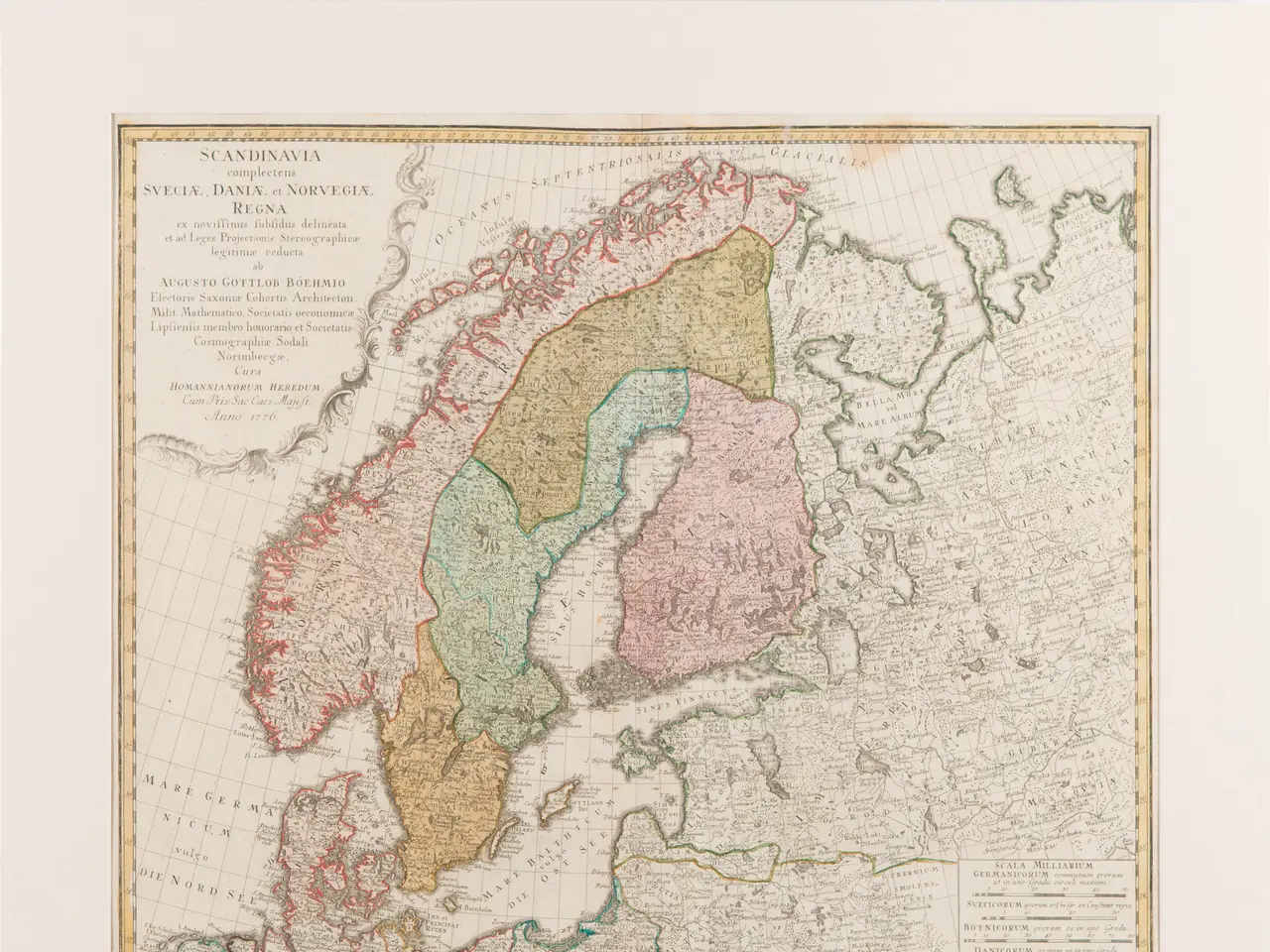
Greenland, the world’s largest island, stretches over 2 million square kilometres—more than 52 times the size of Switzerland. Despite its vast area, only around 56,000 people live there, with 80% belonging to the indigenous Inuit population. The island holds a unique political position, balancing self-rule with ties to Denmark and the wider world.
Located in the North Atlantic between Iceland and Canada, Greenland has governed itself since 1979. It operates its own parliament and government while remaining part of the Kingdom of Denmark, alongside Denmark itself and the Faroe Islands. This arrangement allows extensive autonomy, though foreign and security policies stay shared under the kingdom’s constitution.
Greenland is not an EU member but is classified as an ‘Overseas Country and Territory’ (OCT). It also plays a role in NATO, reflecting its strategic importance. The U.S. maintains Pituffik Space Base on the island, a site visited by Vice President JD Vance in 2025. The island’s largest city, Nuuk, is home to 20,000 residents, while Sisimiut follows with 5,500. Though sparsely populated, Greenland’s political and military significance extends far beyond its borders. Meanwhile, the Danish royal crown remains securely stored in the Treasury at Rosenborg Castle in Copenhagen, symbolising the kingdom’s unity.
Greenland’s mix of self-governance and international ties shapes its modern identity. The island’s vast size, small population, and strategic location ensure its continued relevance on the global stage. Its relationship with Denmark and NATO further cements its role in Arctic and international affairs.
Read also:
- American teenagers taking up farming roles previously filled by immigrants, a concept revisited from 1965's labor market shift.
- Weekly affairs in the German Federal Parliament (Bundestag)
- Landslide claims seven lives, injures six individuals while they work to restore a water channel in the northern region of Pakistan
- Escalating conflict in Sudan has prompted the United Nations to announce a critical gender crisis, highlighting the disproportionate impact of the ongoing violence on women and girls.