How Indigenous Leaders Shaped Governance and Environmental Wisdom for Centuries
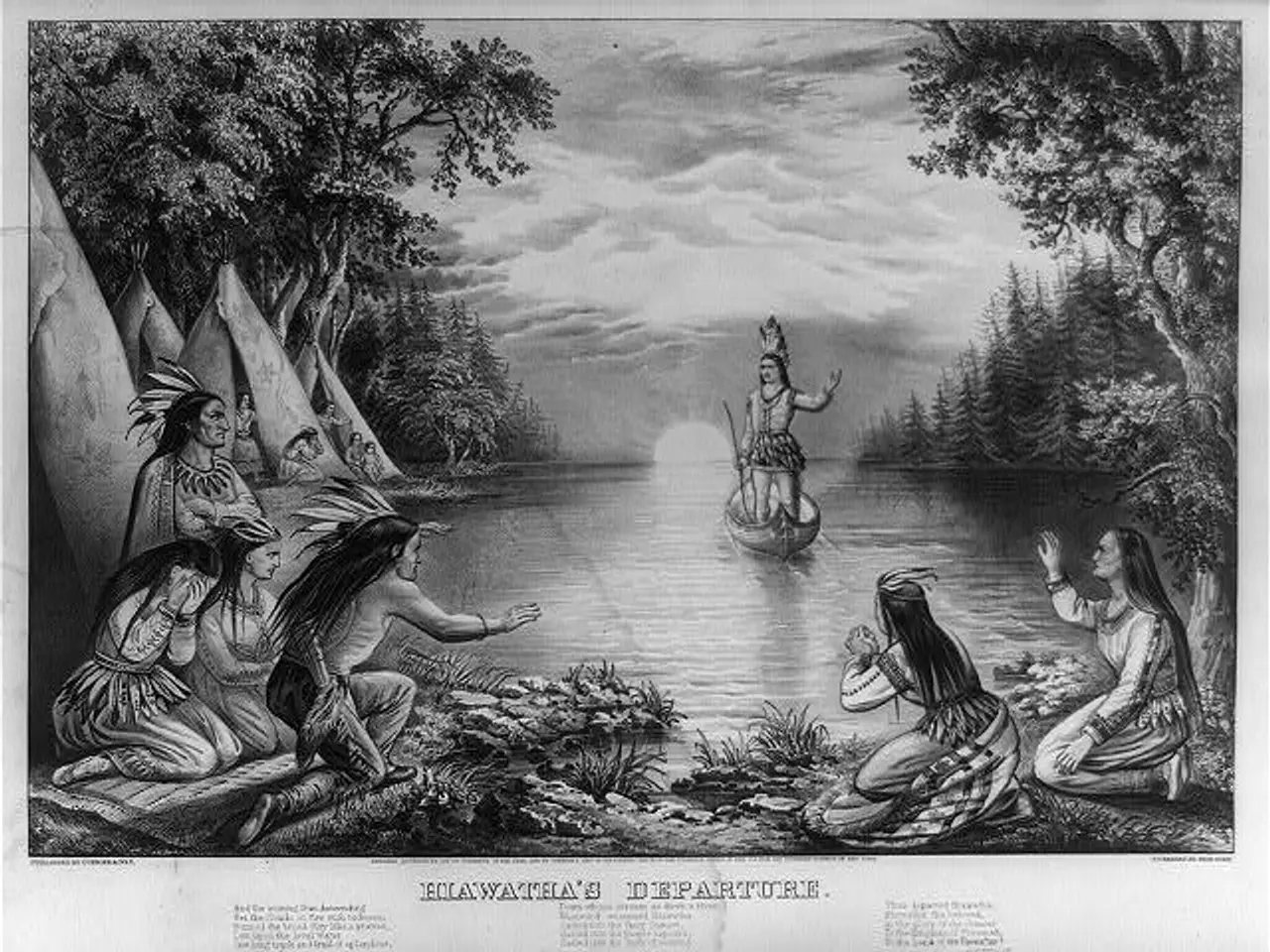
For centuries, Indigenous leaders across North America have shaped governance, resistance, and environmental stewardship in ways that still influence modern debates. Their approaches—from political unity to land management—addressed challenges like resource sharing, exploitation, and fair governance. Many of these ideas are now being revisited as solutions to today’s crises. Long before European contact, Hiawatha helped establish the Great Law of Peace, an oral constitution uniting the Haudenosaunee (Iroquois) nations. This system balanced local autonomy with centralised decision-making, using checks and balances, consensus, and codified rights. Scholars compare it to modern federalism, proving that complex governance existed long before written constitutions.
Centuries later, Tecumseh, a Shawnee leader, fought against land sales by proposing a multi-tribal confederacy. He argued that land was a shared inheritance, not a commodity to be traded. His vision of collective resistance inspired many, though colonial expansion ultimately fragmented his efforts.
In times of conflict, women like Pocahontas and Sacagawea played pivotal roles. Pocahontas, daughter of Chief Wahunsenacawh, acted as a mediator between her people and English settlers during periods of scarcity and violence. Sacagawea’s knowledge of landscapes guided the Lewis and Clark expedition, helping them navigate safely through unfamiliar territories.
Resistance also took the form of cultural and ecological defence. Sitting Bull opposed the destruction of buffalo herds, using shared stories to help his people endure hardship. Meanwhile, Wilma Mankiller, as Cherokee Principal Chief, treated social issues as interconnected, using infrastructure projects to strengthen sovereignty rather than addressing problems in isolation.
Today, Indigenous land management practices are gaining recognition. Studies show that areas under Indigenous stewardship often have higher biodiversity and healthier ecosystems. As climate change worsens, policymakers are increasingly looking to traditional fire practices, water strategies, and governance models for answers. The ideas of these leaders—whether in governance, diplomacy, or land care—remain relevant as societies grapple with resource management, political fairness, and environmental survival. Their approaches, tested over generations, now offer practical lessons for addressing some of the world’s most pressing challenges.
Read also:
- American teenagers taking up farming roles previously filled by immigrants, a concept revisited from 1965's labor market shift.
- Weekly affairs in the German Federal Parliament (Bundestag)
- Landslide claims seven lives, injures six individuals while they work to restore a water channel in the northern region of Pakistan
- Escalating conflict in Sudan has prompted the United Nations to announce a critical gender crisis, highlighting the disproportionate impact of the ongoing violence on women and girls.