How Lübeck's 1815 choice sealed its fate in the German Confederation
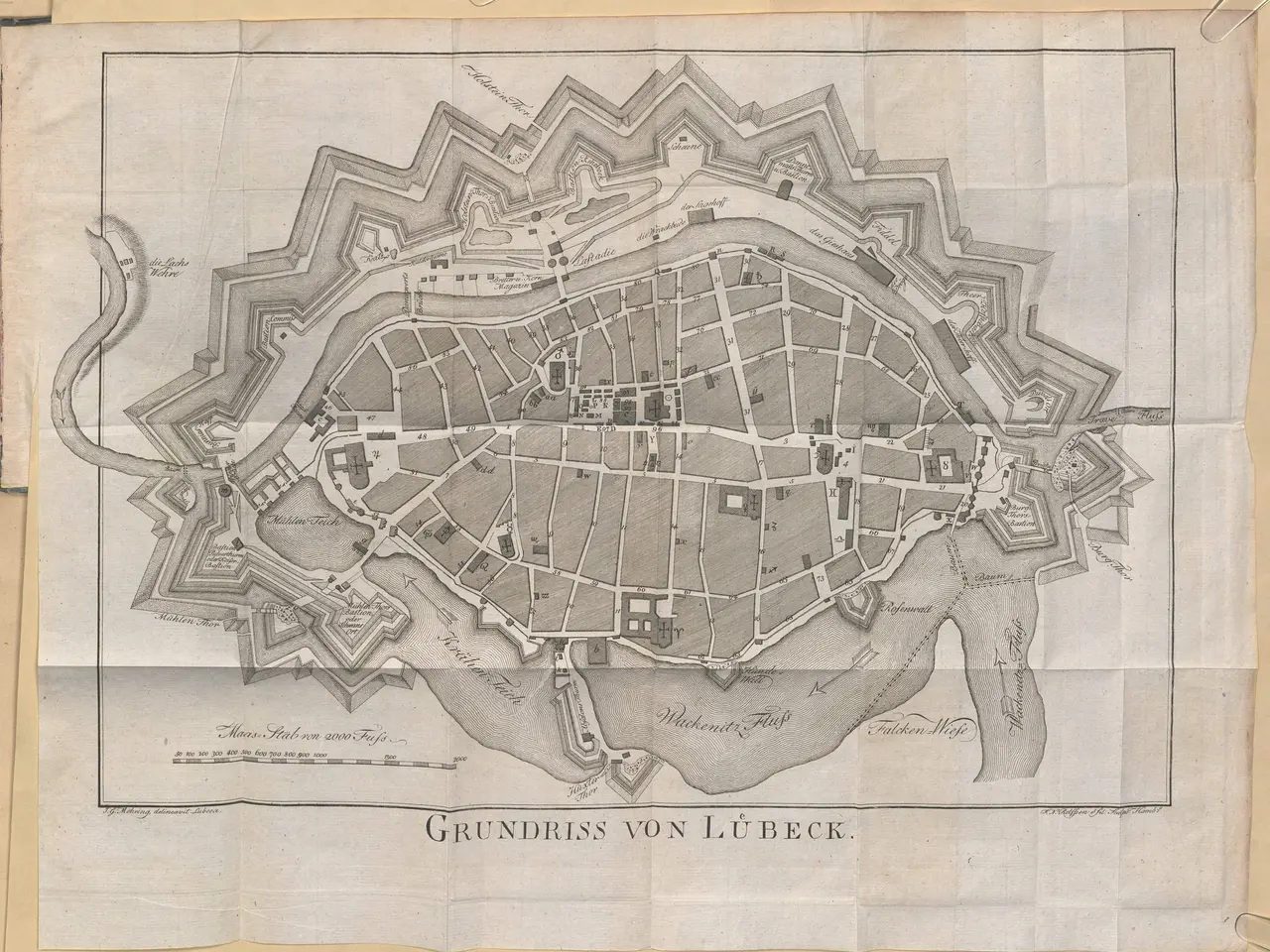
In 1815, Lübeck took a defining step in its long history by joining the German Confederation. The move reaffirmed its ancient title as a Free and Hanseatic City, securing a place among Europe's key political players. This decision shaped both its independence and its economic future.
The German Confederation, formed in 1815, united 39 sovereign states and free cities across Central Europe. Lübeck's inclusion in this alliance protected its self-governance, allowing the city to keep control over its own laws, trade, and courts. For centuries, such privileges had set Lübeck apart, and the Confederation ensured they remained intact.
At first, the new political structure brought stability. It created a framework for potential growth and modernisation in the decades ahead. Yet while cities like Bremen and Hamburg flourished, Lübeck struggled. Its harbour silted up, cutting off vital trade routes, and the city failed to adapt to changes in shipping and industry. By the mid-1800s, once-busy workshops closed, and Lübeck's economy shrank. Unlike its Hanseatic rivals, which embraced overseas commerce and early industrialisation, Lübeck found itself falling behind.
Lübeck's place in the German Confederation preserved its independence but could not shield it from economic decline. The city's inability to modernise its port and industries left it overshadowed by more dynamic neighbours. By the 19th century's midpoint, its role as a major trading hub had faded, marking a shift in its historical standing.
Read also:
- American teenagers taking up farming roles previously filled by immigrants, a concept revisited from 1965's labor market shift.
- Weekly affairs in the German Federal Parliament (Bundestag)
- Landslide claims seven lives, injures six individuals while they work to restore a water channel in the northern region of Pakistan
- Escalating conflict in Sudan has prompted the United Nations to announce a critical gender crisis, highlighting the disproportionate impact of the ongoing violence on women and girls.