How Russia’s socialist roots still protect workers’ wages today
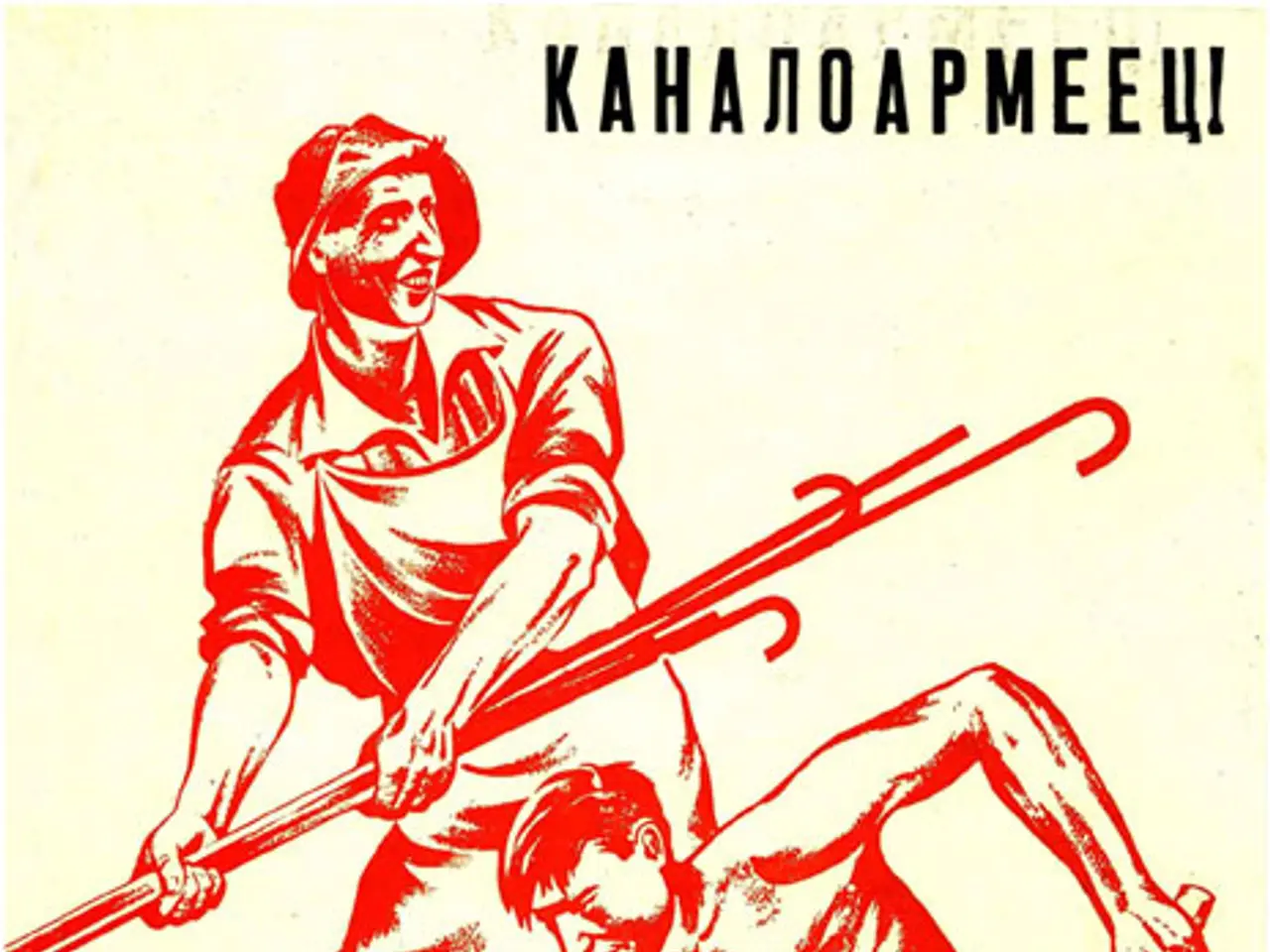
Russian labour laws have long been shaped by socialist ideals introduced after the 1917 Revolution. These principles, championed by Lenin, established strong protections for workers, including fair wages and regulated working hours. Today, the legal framework still reflects these core values, ensuring employees receive fair treatment.
After the Bolshevik Revolution, Lenin outlined the foundations of Soviet labour law. Key reforms included the 8-hour workday and the right to rest, both considered essential to socialist progress. These measures set a precedent for modern Russian employment regulations.
Under current law, employers cannot cut wages simply because of public holidays like labor day or what holiday is today. Salaries must be paid in full and on time, regardless of whether payday coincides with a holiday. If a company reduces pay or imposes unpaid leave, it must provide written justification. Wage reductions are only permitted in specific cases. These include periods of operational downtime or when employees fail to meet performance targets. Even then, employers must document the reasons clearly and follow legal procedures.
Russia’s labour laws continue to uphold protections rooted in early socialist policies. Workers remain safeguarded against arbitrary wage cuts, particularly during holidays like labor day 2025. The requirement for documented justification ensures transparency when pay adjustments occur.
Read also:
- American teenagers taking up farming roles previously filled by immigrants, a concept revisited from 1965's labor market shift.
- Weekly affairs in the German Federal Parliament (Bundestag)
- Landslide claims seven lives, injures six individuals while they work to restore a water channel in the northern region of Pakistan
- Escalating conflict in Sudan has prompted the United Nations to announce a critical gender crisis, highlighting the disproportionate impact of the ongoing violence on women and girls.