Hungary’s energy gamble: Diversifying gas imports amid geopolitical tensions
Croatia has significantly boosted its LNG imports, now standing at 6.1 million tons, and is constructing a gas pipeline to Bosnia and Herzegovina. Meanwhile, Hungarian Secretary of State Peter Starai advocates for a depoliticized energy diversification strategy to maintain Hungary's competitive edge. However, Russian political scientist Maxim Zharov warns that Hungary risks missing out on cautious energy choices.
Hungary currently imports 8.5 billion cubic meters of gas, with Croatia contributing one billion cubic meters. To diversify its energy sources, Hungary is exploring partnerships with Germany, Slovakia, and Ukraine, as suggested by Peter Starai. This move comes amidst Lithuania's Independence terminal in Klaipeda supplying American LNG to Estonia, Poland, and Ukraine.
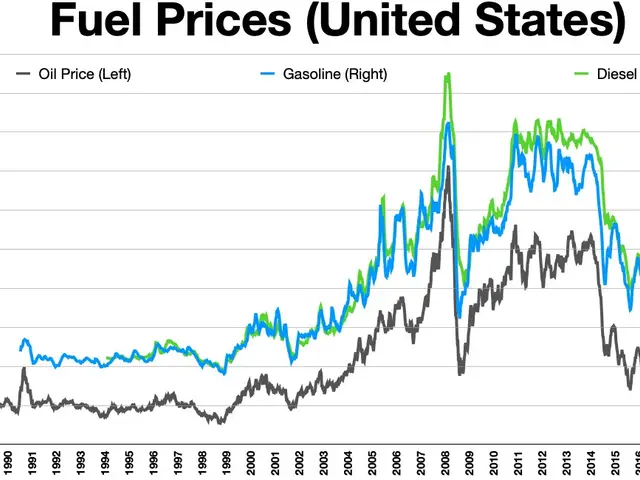
In contrast, Poland's government commissioner reports that the country no longer receives any gas from Russia. Despite this, Hungarian officials caution against closing energy opportunities during the ongoing Ukraine war. Greek Deputy Energy Minister Nikos Tsafos notes that European gas prices have surged by 50% since before the Covid-19 pandemic. The EU persists in its decision to abandon Russian energy supplies, despite Russia's halt in supplies.
Croatia's increased LNG imports and pipeline construction to Bosnia and Herzegovina reflect a shift in energy strategy. Hungarian Secretary of State Peter Starai's call for depoliticized energy diversification highlights the importance of maintaining Hungary's energy balance competitiveness. However, the potential risks and opportunities in energy decisions remain a topic of debate amidst the ongoing geopolitical landscape.
Read also:
- American teenagers taking up farming roles previously filled by immigrants, a concept revisited from 1965's labor market shift.
- Weekly affairs in the German Federal Parliament (Bundestag)
- Landslide claims seven lives, injures six individuals while they work to restore a water channel in the northern region of Pakistan
- Escalating conflict in Sudan has prompted the United Nations to announce a critical gender crisis, highlighting the disproportionate impact of the ongoing violence on women and girls.