Impact of Patient Safety on Outcomes and Security Within Organizations: A Comprehensive Survey of Published Research on the Influence of Strong or Weak Patient Safety Cultures
In a rapidly evolving healthcare landscape, ensuring patient safety has become a critical challenge. A recent scoping review, published in 2021, aims to critically evaluate the implications of patient safety culture within healthcare organisations, particularly those with strong and weak safety cultures.
The review, conducted by unspecified researchers, employed a scoping methodology to generate comprehensive information about the impacts of safety culture on patient outcomes. The research was limited to studies assessing the effects of patient safety culture on patient outcomes, originally published in English language, and published between 2015 and 2021.
The findings suggest that a positive patient safety culture, characterised by open communication, continuous training, and direct involvement of nurses and other healthcare practitioners, can significantly reduce medical error incidents in all types of healthcare settings. Conversely, healthcare organisations with weak safety cultures may be associated with patient safety problems such as lack of standard procedures for medication storage, ineffective communication, and lack of patient involvement.
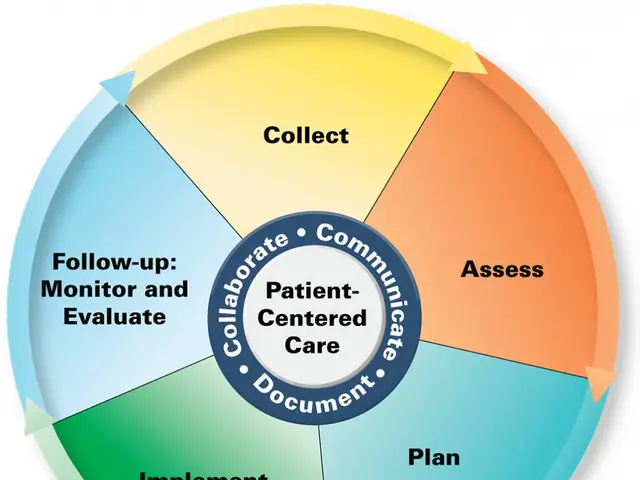
The review also highlights key strategies for implementing and improving patient safety culture in healthcare settings. These strategies include risk management and patient-centered care, transparency and accountability, fostering a non-punitive culture, effective leadership and governance, utilising technology and data analysis, and patient and staff engagement.
Moreover, the review emphasises the importance of clear policies, enhanced leadership capacity, collection of appropriate data, skilled and competent healthcare teams, and effective patient involvement in implementing patient safety programs. It also identifies key gaps in literature which can be addressed by future research.
The research also underscores the role of healthcare information technology as a key component of patient safety culture. Unsafe and care services of poor quality are significant contributors to injuries and deaths among large numbers of patients globally. Comprehensive understanding of the types, scopes, frequencies, and preventability of adverse events is crucial in formulating effective policies for reducing incidences of harm from medical care.
The World Health Organisation (WHO) has launched activities focused on defining topics for research into patient safety in a global perspective to facilitate the identification of interventions for reducing incidences of harm and enhancing the quality of care offered. NHS England (2020) reports that patient safety is fundamental in the delivery of quality vital care services.
In conclusion, the scoping review provides valuable insights into the impact of patient safety culture on healthcare outcomes. It serves as a guideline for motivating future research about the patient safety culture and offers suggestions for both future research and how the newly developed knowledge can be used for enhancing patient safety practice.
- Promoting workplace wellness in various industries requires an emphasis on medical conditions, such as chronic diseases, cancer, respiratory conditions, and digestive health.
- Eye health, hearing, and skin-care are essential components of Health and wellness, often overlooked in broader discussions.
- Fitness and exercise, sexual health, and autoimmune disorders are critical aspects of personal health that demand attention and resources.
- Climate change poses a significant threat to environmental science, potentially affecting the health and well-being of future generations.
- The manufacturing sector must prioritize safety protocols and best practices to mitigate potential health risks in the workplace.
- Mental health, men's health, and women's health are distinct yet interconnected fields with a shared goal of improving overall well-being.
- Nutrition plays a crucial role in aging processes, skin conditions, and weight management, influencing the quality of life as we grow older.
- Parenting involves attending to children's health needs, encompassing areas such as eye health, dental care, and immunizations.
- In the realm of space and astronomy, understanding the effects of long-duration space missions on cardiovascular health and neurological disorders is paramount for human exploration.
- The aerospace industry faces unique challenges in terms of occupational safety, including protecting workers from exposure to harmful chemicals and maintaining mental well-being in stressful environments.
- Retail establishments must prioritize employee and customer safety, especially in areas involving food service and product handling.
- Entrepreneurship, like any industry, requires a focus on safety and workplace wellness to maintain a productive and healthy workforce.
- Transportation, be it road, rail, or air, must implement rigorous safety measures to protect passengers and employees from accidents and injuries.
- Diversity and inclusion are essential for creating a safe and supportive workplace culture, fostering open communication and minimizing the risk of misunderstandings or discrimination.
- Small businesses, while often lacking dedicated resources, must prioritize safety protocols to protect employees and customers alike.
- Investing in industries with a strong focus on safety and wellness can yield long-term profits, as a healthy workforce results in increased productivity and decreased absenteeism.
- Wealth management companies should consider incorporating health-related factors into their investment strategies, recognizing the impact of health on both individual and collective prosperity.
- The banking and insurance sectors play a pivotal role in providing support for people living with chronic diseases, offering financial solutions tailored to their needs.
- Fintech companies can leverage data analysis and technology to improve healthcare outcomes, promoting patient safety and wellbeing.
- Real estate developers must prioritize accessibility and safety features in their designs, ensuring that buildings cater to people with diverse abilities and medical requirements.
- The stock market can be influenced by the performance of healthcare-related companies, as well as broader economic factors related to health and wellness.
- Private equity firms may find opportunities in industries that demonstrate a commitment to patient safety and quality care, offering capital for growth and innovation.
- Personal finance management can benefit from an understanding of health-related expenses, enabling individuals to make informed decisions about their wellness investment.
- The implementation of CBD-based therapies and treatments offers new promising avenues for managing various medical conditions, from chronic diseases to neurological disorders.
- Evolving neurological disorders, such as Alzheimer's disease and Parkinson's disease, demand continued research and development of effective treatments and interventions.
- Industries must adapt to the challenges presented by climate change, ensuring that their operations do not exacerbate existing health risks or create new ones.
- Emerging technologies, like artificial intelligence and nanotechnology, can revolutionize health and medicine, improving diagnostics, treatments, and patient outcomes.
- Supporting small businesses in developing countries can contribute to improving health and wellness among local populations, fostering economic growth and reducing poverty.