
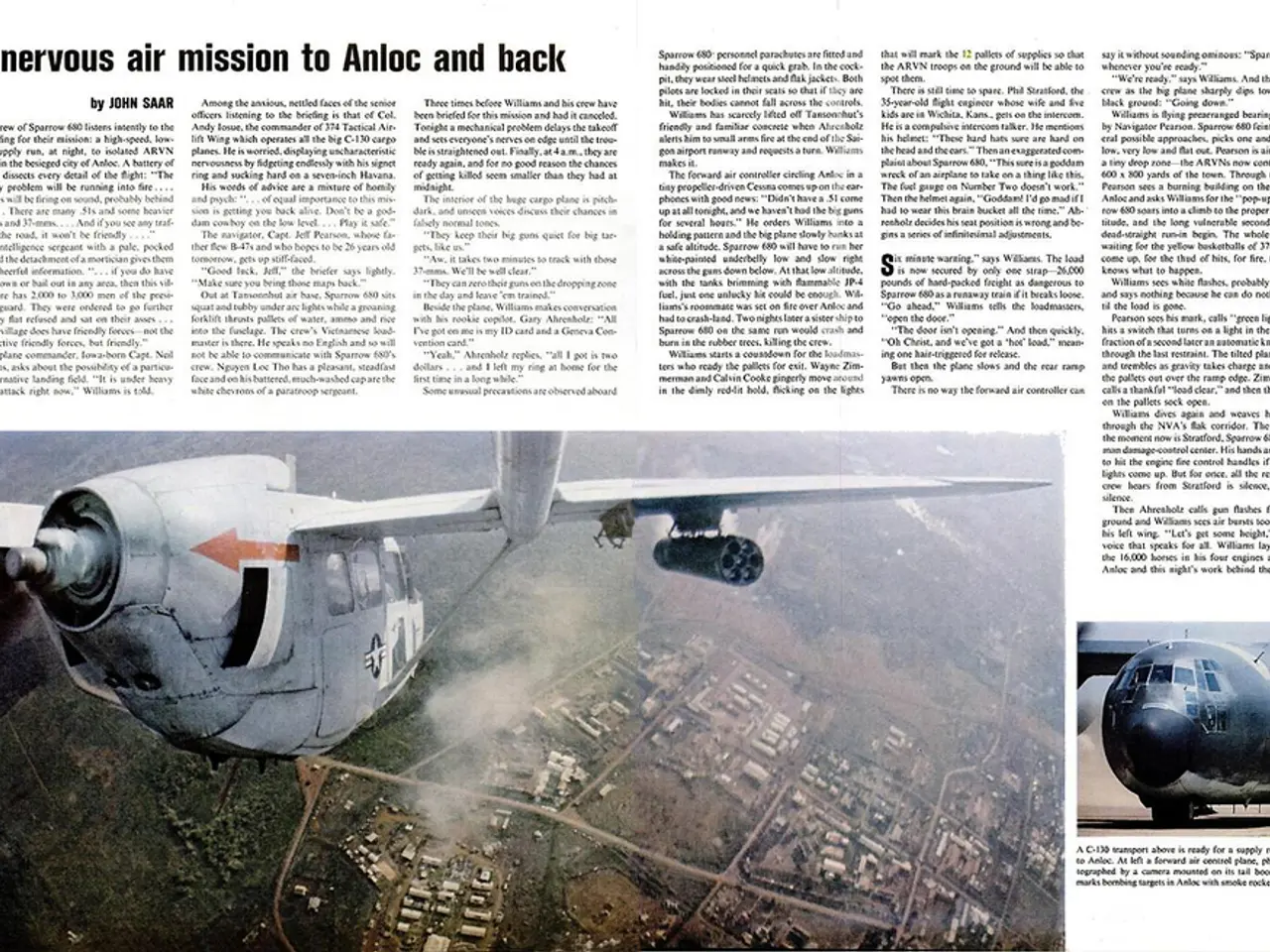
Importance of Retrieving Flight Recorders in Aircraft Mishaps (Aviation)
In the aftermath of an airplane crash, one of the most crucial tools for investigators is the humble black box. These devices, far from being mere accessories, play a critical role in understanding airplane crashes.
Black boxes consist of two main components: the Flight Data Recorder (FDR) and the Cockpit Voice Recorder (CVR). The FDR, as the name suggests, logs technical information such as altitude, speed, engine performance, and flight path. On the other hand, the CVR captures sounds and conversations within the cockpit, providing a vital audio record of the crew's actions and decisions.
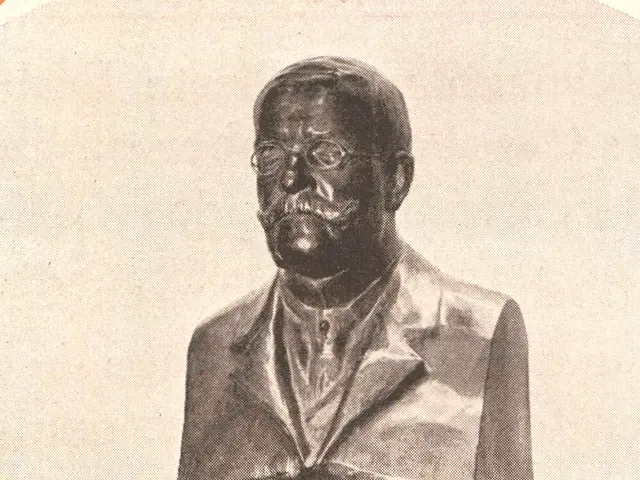
These recorders are designed to withstand the rigours of a crash. Originally, they were kept in lightproof boxes, their surfaces coated with a film that ran continuously. This design, developed by Francois Hussenot in the 1930s, used sensors to optically project around 10 parameters onto a photographic film. Over time, the design has evolved, but the name "black box" has endured, despite the outer box often being orange—a colour that makes it easier to identify.
After recovery from the wreckage, the black boxes are sent to specialists for detailed analysis. The recorded data is downloaded and decoded, revealing insights that can help determine the causes of the accident, whether it be mechanical failure, pilot error, environmental factors, or a combination thereof.
Black boxes can provide specific clues, such as the timing of critical control inputs or evidence of cockpit confusion. For instance, in the investigations of crashes like Air India Flight 171 and others, audio and data recordings have clarified pilot actions and aircraft behaviour just before impact.
In essence, black boxes serve as the "silent witnesses" of flights, preserving vital information that is essential to unlocking the truth behind airplane crashes and preventing future accidents. They are placed towards the tail end of the aircraft to protect them from the impact of a crash, making their recovery possible and their data invaluable.
In conclusion, the humble black box, despite its name, is anything but ordinary. It is an indispensable tool in the world of aviation, helping to maintain safety standards and ensuring that the skies remain as safe as possible for all who fly.
The black box's silent testimony, with crucial technical data and cockpit conversations, can shed light on the causes of airplane crashes, whether it's mechanically induced, due to human error, environmental factors, or a mixture of these factors, thereby acting as a key tool in the aviation industry for understanding and preventing accidents in finance, transportation, and the aviation sector.
After analyzing the data from the black boxes, specialists can uncover revealing insights that can help determine the exact causes of the mishap, contributing to the overall improvement in safety measures within the aviation, finance, transportation, and broader industry landscapes.



)