In Israel, some Jews and Christians seek to build trust between their communities
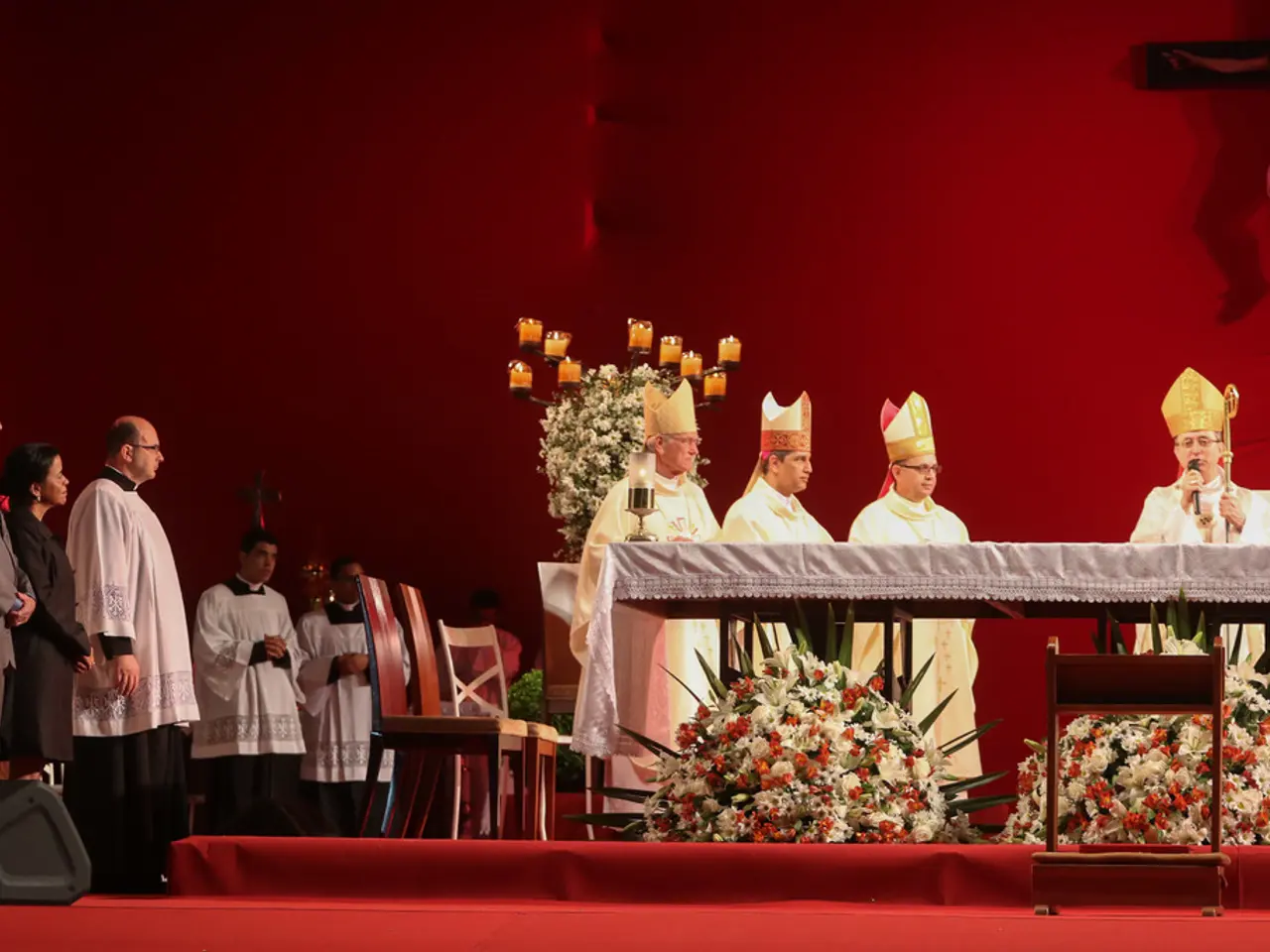
In Haifa, a shared holiday event brought together Jewish and Christian leaders in a display of unity. A Maronite Catholic church lit its Christmas tree and fireworks, while a rabbi lit a peace candle. The moment reflected ongoing efforts to bridge divides in a region where tensions often run deep.
Behind this gesture lies a broader initiative: a graduate program at the University of Haifa where rabbis and priests teach side by side. Their work aims to foster dialogue and address long-standing sensitivities between Jews and Christians in Israel.
The interfaith program at Haifa University pairs clergy like Rabbi Na’ama Dafni and Father Yousef Yacoub as co-instructors. Together, they lead courses, seminars, and research projects focused on Jewish-Christian relations. Students explore topics such as antisemitism, Islamophobia, and the historical struggles of Jews in Arab countries.
The program operates through the university’s interfaith centres, drawing clergy from local communities and international partners. Its goal is practical cooperation on shared ethical and social issues in Israel. Yet the task is not simple. Relations between the Vatican and Israel have been strained, particularly after Pope Francis criticised Israel’s military response to the Hamas attack in Gaza. Papal statements on the Israeli-Palestinian conflict often heighten sensitivities.
Even within the program, difficult conversations arise. Some Jewish students raise the 1492 expulsion of their ancestors from Catholic Spain—a painful history Father Yacoub acknowledges but notes has little bearing on today’s local Christians. Karen Levisohn, a Jewish lecturer and Galilee tour guide, admits her own views on Christianity shifted through her work. She now sees the faith in a new light.
The Maronite Church in Haifa, where the holiday event took place, carries its own history. Built in the 19th century under French protection, it reflects a time when Ottoman rulers restricted new churches. Father Yacoub’s invitation to Rabbi Dafni to join the Christmas celebration was deliberate. He wanted parishioners to see both leaders praying for the same things: light, peace, and happiness.
Despite wider political tensions, small steps toward trust are being made. The Haifa program and events like the shared holiday gathering show that dialogue remains possible. For now, the focus stays on education, shared prayer, and the slow work of building understanding between communities.
Read also:
- American teenagers taking up farming roles previously filled by immigrants, a concept revisited from 1965's labor market shift.
- Weekly affairs in the German Federal Parliament (Bundestag)
- Landslide claims seven lives, injures six individuals while they work to restore a water channel in the northern region of Pakistan
- Escalating conflict in Sudan has prompted the United Nations to announce a critical gender crisis, highlighting the disproportionate impact of the ongoing violence on women and girls.