India slams China’s illegal infrastructure projects in disputed Shaksgam Valley
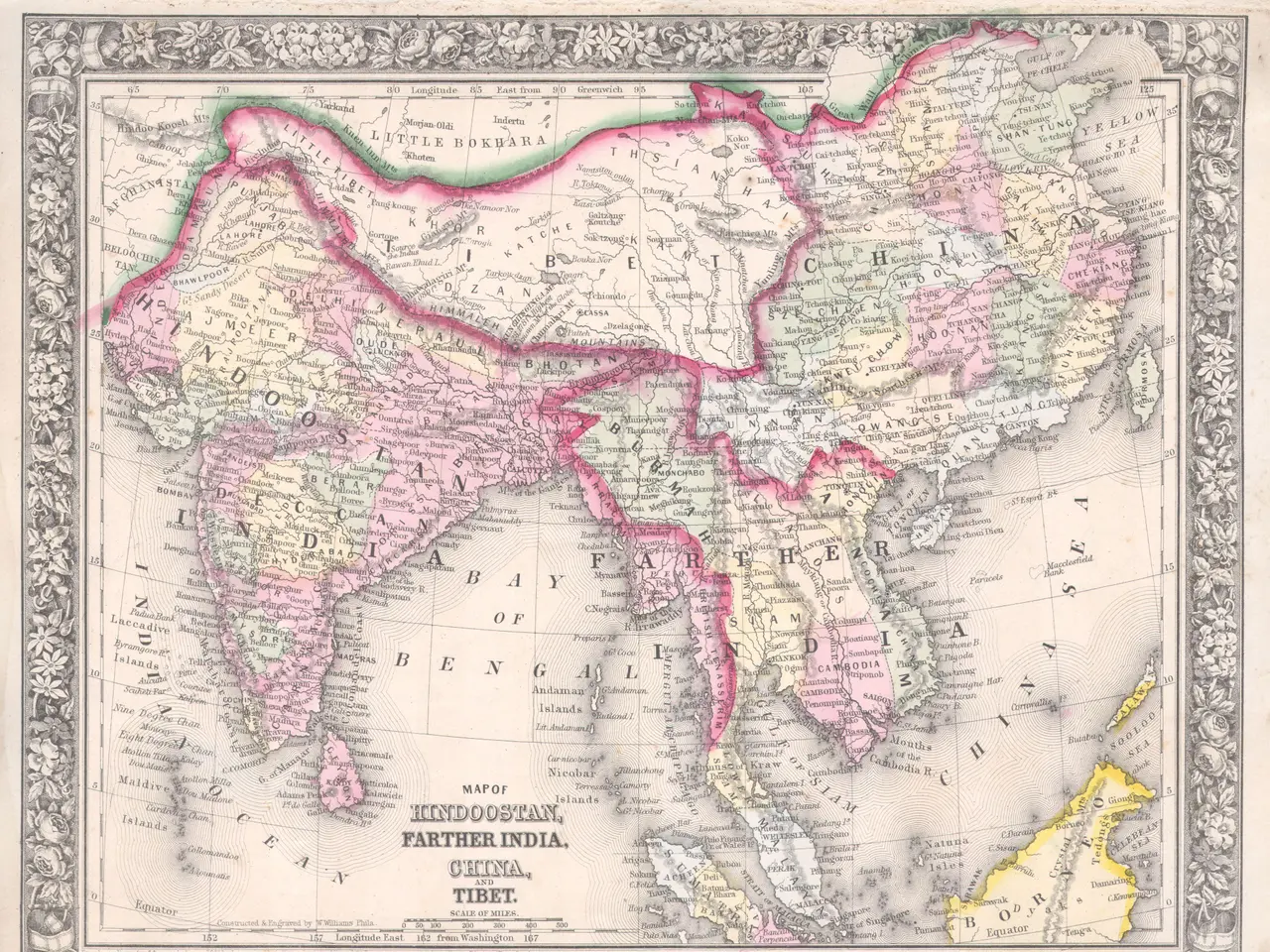
Tensions have risen over the Shaksgam Valley, a disputed region along the China-Pakistan border. India has repeatedly rejected China's infrastructure projects in the area, calling them illegal under international law. The dispute stems from a decades-old boundary agreement between Beijing and Islamabad that New Delhi refuses to recognise.
In the 1960s, China and Pakistan signed a boundary agreement that included the Shaksgam Valley. The deal transferred control of the region to China, a move India has never accepted. New Delhi maintains that the entire territories of Jammu, Kashmir, and Ladakh remain an integral part of India.
Recent statements from Indian Army Chief General Upendra Dwivedi reinforced this position. He declared the 1963 China-Pakistan agreement illegal and condemned any construction work in the Shaksgam Valley. The Indian government has also opposed China's infrastructure expansion through the China-Pakistan Economic Corridor (CPEC), labelling it invalid.
China has continued developing roads and other projects in the valley. While Beijing has not made recent public claims about the territory, its ongoing construction aligns with broader regional infrastructure plans. Pakistan originally ceded the Shaksgam Valley to China, but India's stance remains unchanged—it does not recognise the transfer or any resulting activities.
The dispute over the Shaksgam Valley highlights long-standing territorial conflicts in the region. India's rejection of the 1963 agreement and China's infrastructure work ensures the issue remains unresolved. Both sides maintain firm positions, leaving little room for immediate compromise.
Read also:
- American teenagers taking up farming roles previously filled by immigrants, a concept revisited from 1965's labor market shift.
- Weekly affairs in the German Federal Parliament (Bundestag)
- Landslide claims seven lives, injures six individuals while they work to restore a water channel in the northern region of Pakistan
- Escalating conflict in Sudan has prompted the United Nations to announce a critical gender crisis, highlighting the disproportionate impact of the ongoing violence on women and girls.