India slams UN Security Council over secrecy, bias, and outdated mandates
India has expressed concerns over the UN Security Council's (UNSC) practices, highlighting issues of secrecy, bias, and outdated mandates. These criticisms were raised during a UNSC debate on peacekeeping operations.
India has taken issue with the UNSC's practice of allowing countries with 'vested interests' to chair subsidiary bodies. Currently, the United States chairs the 1988 Taliban Sanctions Committee and co-chairs the Counter-Terrorism Committee, a situation India finds problematic due to potential conflicts of interest.
India also criticized the lack of transparency surrounding the rejection of proposals to designate terrorists by the UNSC. It maintains that terrorism is a tool of Pakistan's state policy and has urged the UNSC to address this issue more effectively.
Furthermore, India has called for the introduction of sunset clauses for outdated peacekeeping operations and questioned the continued existence of certain UN mandates that it believes have outlived their relevance. It has urged the UNSC to review these mandates and ensure they remain relevant and effective.
India's Permanent Representative to the UN, P Harish, has called for greater transparency and objectivity in selecting chairs for UNSC subsidiary bodies and 'pen-holderships'. India believes that obvious conflicts of interest should not be allowed in the UNSC to ensure the body's credibility and effectiveness in maintaining international peace and security.
Read also:
- American teenagers taking up farming roles previously filled by immigrants, a concept revisited from 1965's labor market shift.
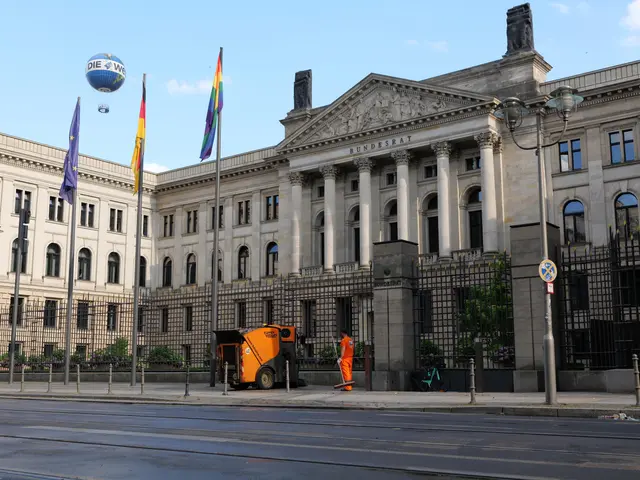
- Weekly affairs in the German Federal Parliament (Bundestag)
- Landslide claims seven lives, injures six individuals while they work to restore a water channel in the northern region of Pakistan
- Escalating conflict in Sudan has prompted the United Nations to announce a critical gender crisis, highlighting the disproportionate impact of the ongoing violence on women and girls.