India tightens fuel safety rules amid rising geopolitical tensions
The Ministry of Petroleum and Natural Gas has issued fresh warnings about fuel safety as geopolitical tensions rise. Officials confirmed that India's fuel supplies remain stable, despite concerns over global oil disruptions. The government also announced stricter measures to prevent accidents and hoarding in the current market.
The ministry urged the public not to store petrol or diesel in unsafe containers, citing serious fire and health risks. Retail fuel stations were ordered to enforce safety rules when dispensing fuel, with penalties threatened for non-compliance. Violations could lead to heavy fines or closure of outlets.
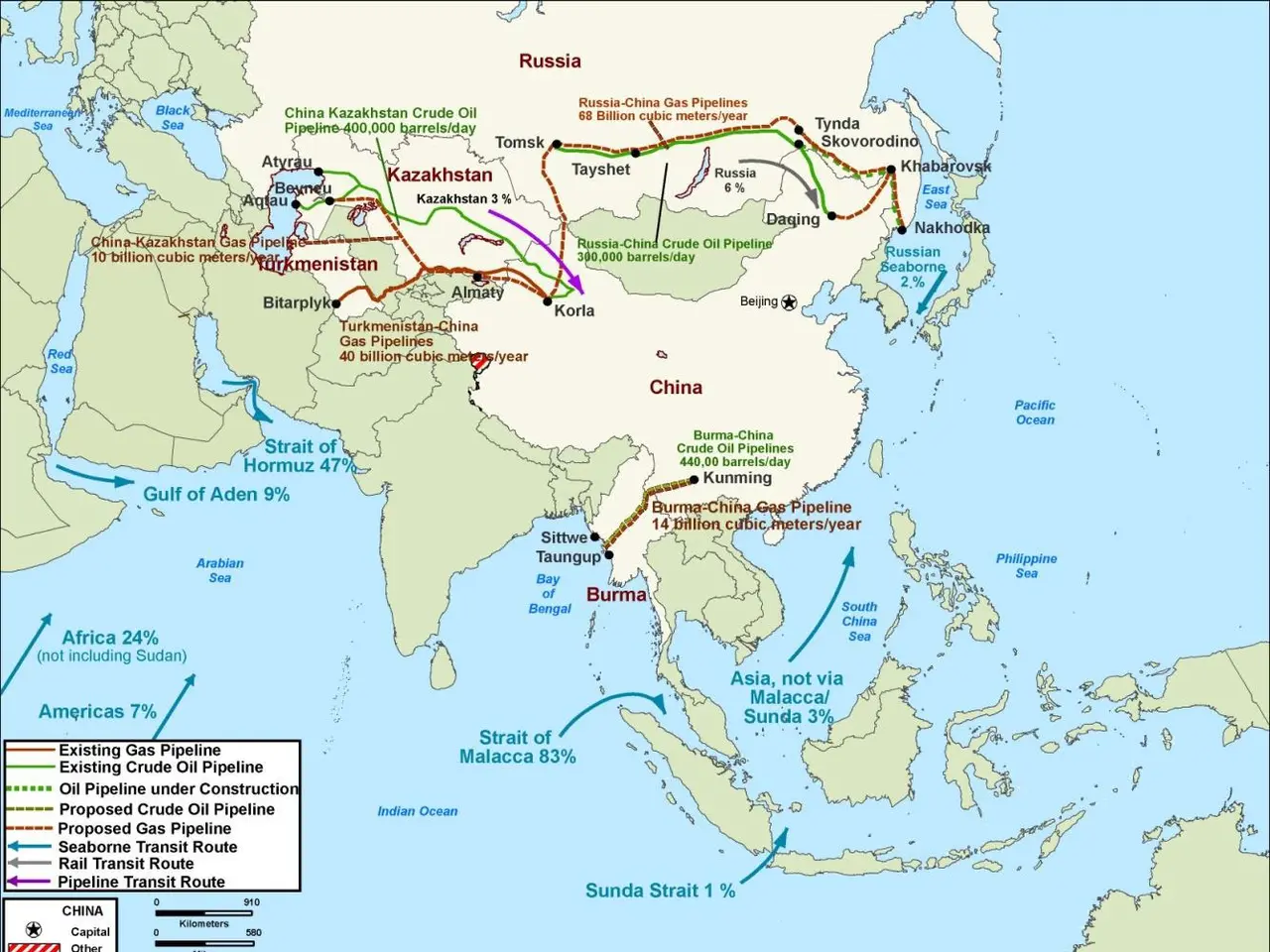
To prevent shortages and black marketing, the government has resumed commercial LPG cylinder distribution across several states. New protocols now monitor supply chains more closely, ensuring fair access for industries and households alike. On energy security, officials revealed that India has diversified its crude oil imports, signing deals with 40 countries. As of March 2026, 70% of imports now come from outside the Strait of Hormuz, including Russia and Iran. The U.S. also granted India a 30-day exemption to buy Russian oil, easing pressure from the Iran conflict. Union Minister Gajendra Singh Shekhawat dismissed claims of a fuel crisis, calling opposition concerns baseless. He reaffirmed that India's reserves and supply chains remain unaffected by West Asia's instability.
The government's latest steps aim to keep fuel supplies steady while tightening safety controls. With diversified imports and stricter enforcement, officials say India is prepared to handle market challenges. The public has been advised to follow guidelines to avoid risks during the current period.
Read also:
- American teenagers taking up farming roles previously filled by immigrants, a concept revisited from 1965's labor market shift.
- Weekly affairs in the German Federal Parliament (Bundestag)
- Landslide claims seven lives, injures six individuals while they work to restore a water channel in the northern region of Pakistan
- Escalating conflict in Sudan has prompted the United Nations to announce a critical gender crisis, highlighting the disproportionate impact of the ongoing violence on women and girls.