Infant Botulism Symptoms, Preventive Measures, and Recovery
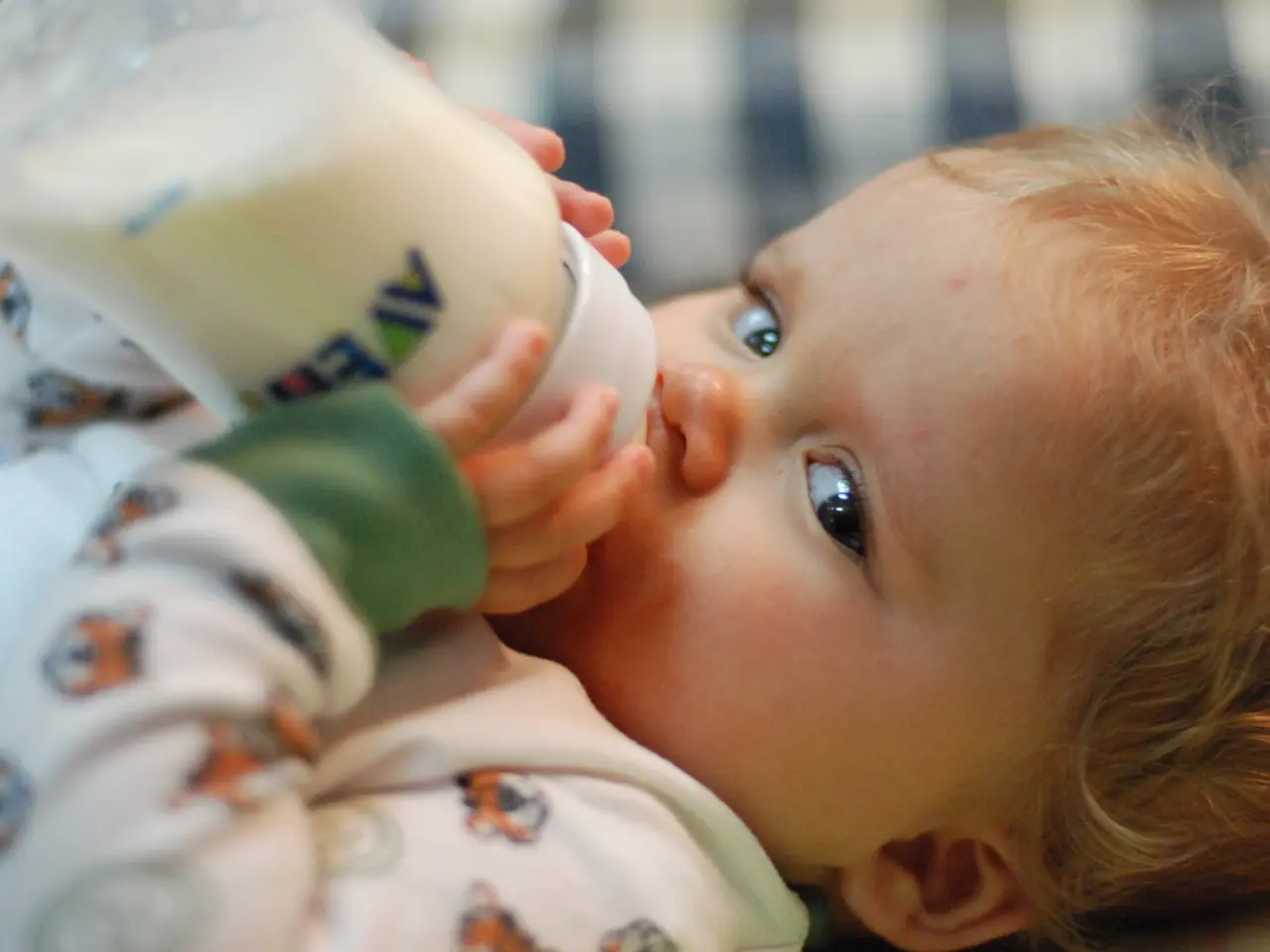
Infant botulism is a rare but serious bacterial infection that primarily affects babies under the age of one year. The common cause of this condition is the ingestion of spores from Clostridium botulinum, a bacteria that can be found in various environmental sources, such as honey, soil, and improperly processed foods [1][5].
Honey is the most well-known and preventable source of these spores, with up to 25% of honey products containing C. botulinum spores [1]. To prevent infant botulism, it is crucial to avoid feeding honey to infants under 1 year of age. Maintaining good hygiene and minimizing infants' exposure to soil or dust that may harbour spores is also essential [1].
When C. botulinum spores colonize and produce toxin in an infant's immature gut, they can cause muscle weakness, difficulty eating, breathing, and other symptoms [1][5]. If a parent or caregiver notices any of these signs and symptoms, they should seek medical attention immediately.
Early diagnosis and treatment of infant botulism can prevent long-term ill effects for the child. Initial examination is the primary means of diagnosis, as lab tests can take several days. Doctors may take stool, vomit, or blood samples for lab testing to confirm botulism [2].
Treatment for infant botulism is administered in the hospital's intensive care unit (ICU). Botulism immune globulin intravenous (BIGIV) is often used to help the baby recover faster [1]. In severe cases, a ventilator may be used to assist the baby's breathing during treatment [2].
With prompt treatment, a baby can fully recover from infant botulism without any long-term health effects. However, it is crucial to remember that prevention is the best approach. Cooking vegetables properly can help reduce the risk of infant botulism when preparing homemade baby food [4].
In the United States, there were 141 cases of infant botulism in 2017, accounting for 77% of all reported botulism cases that year [3]. The highest rate of botulism cases in the U.S. was in California [3]. While there is limited evidence on the prevalence of infant botulism in other parts of the world, it is important to follow the preventative measures outlined to ensure the health and safety of infants.
References: [1] Centers for Disease Control and Prevention. (2021). Infant Botulism. Retrieved from https://www.cdc.gov/botulism/prevention-research-and-programs/infant-botulism.html [2] Mayo Clinic. (2021). Infant botulism. Retrieved from https://www.mayoclinic.org/diseases-conditions/infant-botulism/symptoms-causes/syc-20352424 [3] California Department of Public Health. (2021). Infant Botulism. Retrieved from https://www.cdph.ca.gov/Programs/CPHDF/DCD/CDPH%20Document%20Library/Infant_Botulism_Fact_Sheet.pdf [4] FoodSafety.gov. (2021). Botulism. Retrieved from https://www.foodsafety.gov/poisoning/bacterial/botulism/infant/ [5] American Academy of Pediatrics. (2021). Honey in Foods for Infants and Toddlers. Retrieved from https://www.healthychildren.org/English/healthy-living/nutrition/Pages/Honey-in-Foods-for-Infants-and-Toddlers.aspx
- The prevention of infant botulism involves avoiding the ingestion of spores from Clostridium botulinum, a bacteria found in various environmental sources like honey and soil.
- Good hygiene and minimizing a baby's exposure to soil or dust are essential to prevent infant botulism.
- Infant botulism can cause muscle weakness, difficulty eating, and breathing in babies.
- If symptoms of infant botulism are noticed, medical attention should be sought immediately.
- Early diagnosis and treatment of infant botulism can prevent long-term effects on the child.
- Initial examination is the primary means of diagnosis, with lab tests requiring several days for confirmation.
- Treatment for infant botulism is administered in the hospital's intensive care unit, often using Botulism immune globulin intravenous (BIGIV).
- In severe cases, a ventilator may be used to assist the baby's breathing during treatment.
- With prompt treatment, a baby can fully recover from infant botulism without any long-term health effects.
- Cooking vegetables properly can help reduce the risk of infant botulism when preparing homemade baby food.
- In 2017, there were 141 cases of infant botulism in the United States, accounting for 77% of all reported botulism cases that year.
- The highest rate of botulism cases in the U.S. was in California.
- There is limited evidence on the prevalence of infant botulism in other parts of the world.
- Preventative measures outlined should be followed to ensure the health and safety of infants.
- Environmental science plays a crucial role in understanding the sources of Clostridium botulinum and the prevention of infant botulism.
- The manufacturing industry should ensure proper processing of foods to prevent the contamination with Clostridium botulinum spores.
- Mental health is important for the caregiver of an infant, as the stress and worry of potential conditions can impact their overall well-being.
- Asthma is a common chronic respiratory condition that can be managed with therapies and treatments.
- COPD and chronic kidney disease are examples of chronic diseases that require ongoing medical care and management.
- Type-2 diabetes, cancer, and multiple sclerosis are severe medical conditions that require specialized care.
- Fitness and exercise are essential for maintaining health and wellness, and can help manage a variety of medical conditions.
- Skin care is an important aspect of health and wellness, with skin conditions such as psoriasis requiring proper treatment.
- Hearing impairment is a common condition that can impact a person's ability to communicate and their overall quality of life.
- Eye health is critical for daily activities, and regular check-ups are important for early detection and treatment of conditions.
- In order to promote workplace-wellness, employers should consider offering programs that emphasize fitness, nutrition, and stress management.
- The finance industry plays a crucial role in funding medical research and developing new treatments for various medical conditions.
- Energy-efficient technology and green initiatives can help mitigate the effects of climate change on health and environmental science.
- The retail sector should prioritize safety measures to prevent the spread of diseases and ensure the health and wellness of customers.
- Public transit should implement regular cleaning and disinfection protocols to reduce the risk of disease transmission.
- Entrepreneurship in the medical, automotive, and real-estate industries can lead to innovation and improvements in the healthcare, transportation, and housing sectors, respectively.