Iran’s deadly protests erupt as economic despair fuels nationwide unrest
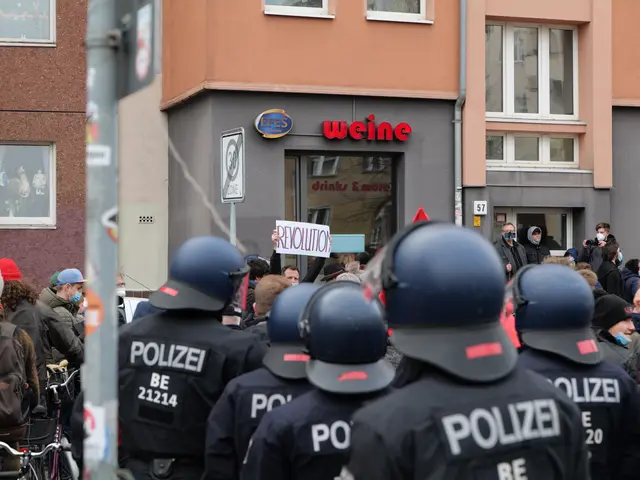
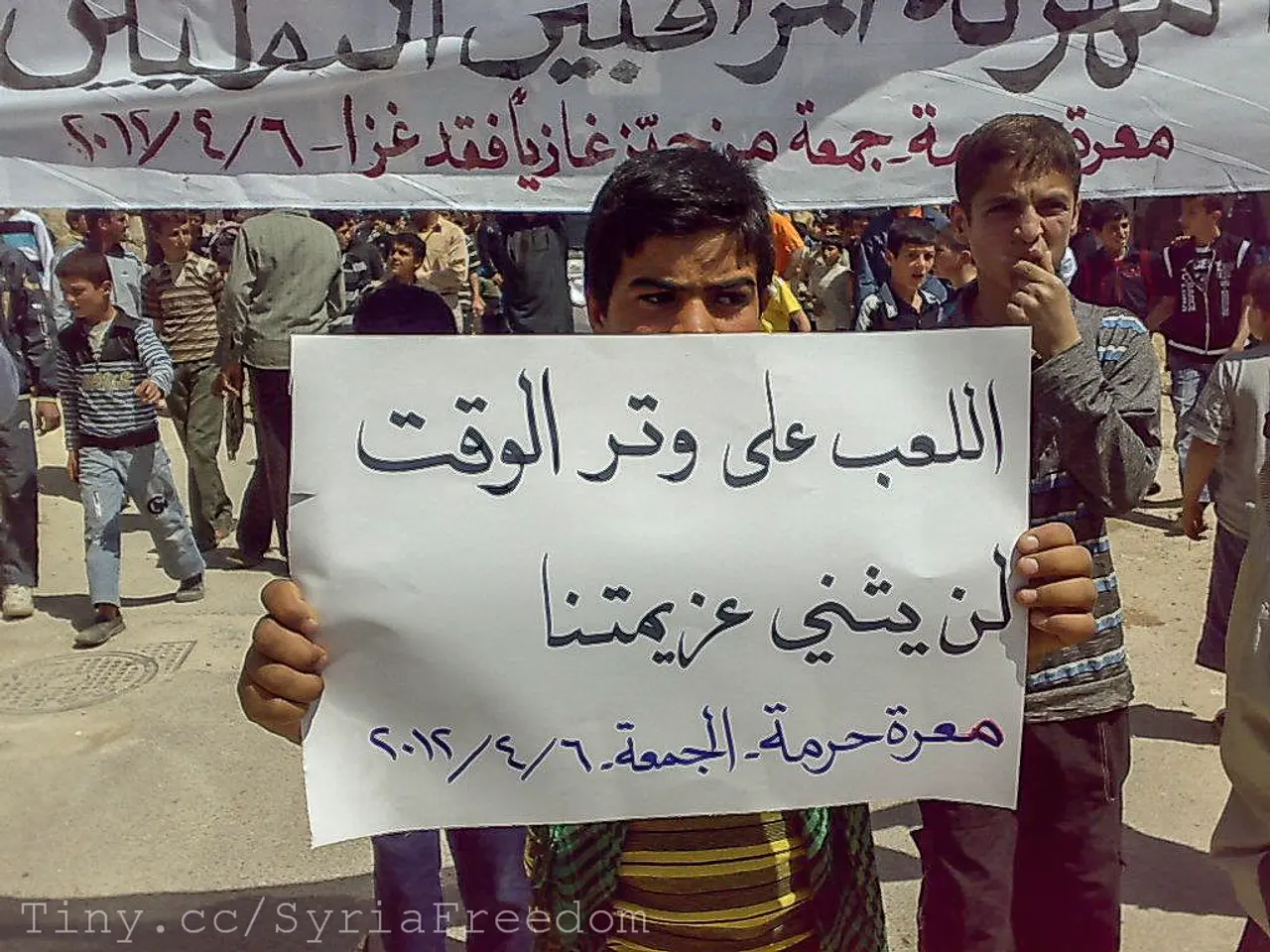
Violent clashes have broken out across Iran as protests spread to over 80 cities. At least 19 people have died, and hundreds have been arrested in demonstrations driven by economic hardship. The unrest began in early January, with traders in Tehran taking to the streets before escalating nationwide.
The protests were triggered by a sharp fall in the value of the rial and soaring inflation, making essential goods like food and medicine unaffordable. UN sanctions, reinstated in summer 2025, banned oil exports and worsened the economic crisis. Demonstrators have chanted slogans like 'Death to the dictator' and called for Ayatollah Ali Khamenei’s resignation, drawing comparisons to political turmoil in Venezuela.
Security forces have responded with force, leading to deaths in cities such as Lordegan and Isfahan. While no government officials have been attacked or detained, authorities have violently suppressed gatherings. The scale of arrests and casualties has drawn international attention, with foreign governments expressing alarm. A German Foreign Office spokesperson confirmed that the situation is being monitored 'very closely and with great unease'. They acknowledged that Germany can only observe from a distance and declined to predict how events might unfold.
The protests show no signs of slowing, with economic grievances and demands for political change fuelling the unrest. The death toll and arrests continue to rise as security forces maintain a heavy-handed response. International observers, including Germany, remain watchful but have limited influence over the escalating crisis.
Read also:
- American teenagers taking up farming roles previously filled by immigrants, a concept revisited from 1965's labor market shift.
- Weekly affairs in the German Federal Parliament (Bundestag)
- Landslide claims seven lives, injures six individuals while they work to restore a water channel in the northern region of Pakistan
- Escalating conflict in Sudan has prompted the United Nations to announce a critical gender crisis, highlighting the disproportionate impact of the ongoing violence on women and girls.