Iran's new supreme leader sparks crisis over hereditary power shift
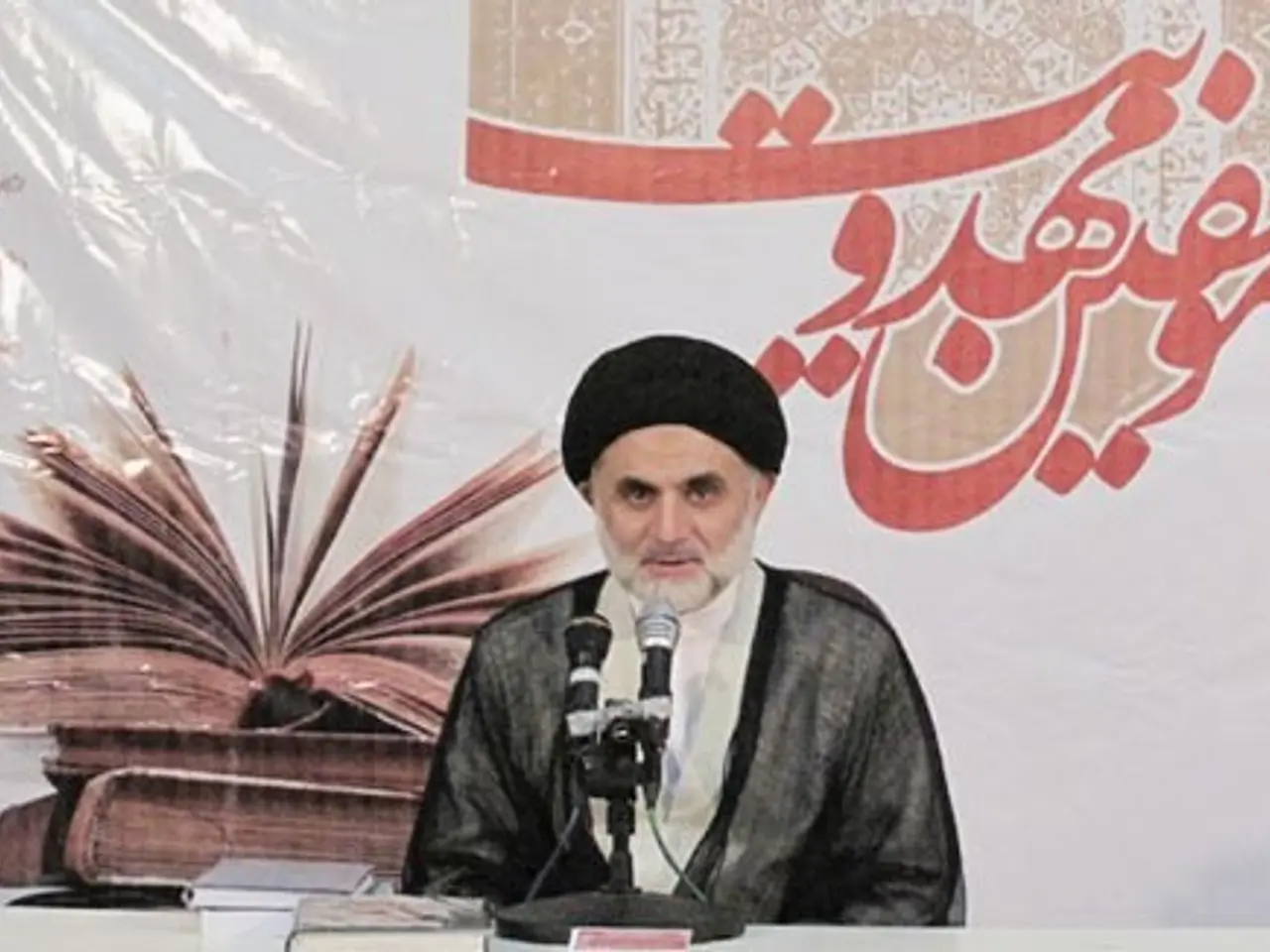
Iran's Islamic Republic has entered a new era with the appointment of Mojtaba Khamenei as supreme leader. His rise follows the death of his father, Ali Khamenei, in late February 2026 after airstrikes in Tehran. The transition marks the first time power has passed from father to son in the republic's history—a shift that challenges its founding principles.
The move has drawn sharp scrutiny, as the 1979 revolution explicitly rejected hereditary rule. Now, critics argue the system risks repeating the very monarchy it once overthrew.
The Islamic Republic was built on the idea of clerical governance, not dynastic succession. Ayatollah Khomeini's doctrine of velayat-e faqih placed ultimate authority in the hands of a senior religious leader, not a bloodline. Shiism, the dominant faith in Iran, traditionally saw clerics as moral critics of power, not its holders.
Mojtaba Khamenei's influence has long been tied to his father's position rather than his own religious standing. As a political advisor, he became known for hardline policies, including the brutal suppression of 2009 protests. The US sanctioned him in 2019 for advancing destabilising ambitions. His recent appointment has cemented his image among hardliners as an ultraconservative figure committed to escalation.
A hereditary transfer of power risks undermining the regime's religious legitimacy more than any external threat. While military pressure often strengthens governments, this succession strikes at the core of the republic's claim to moral authority. Many fear it could do more long-term damage than foreign attempts at regime change.
The constitution, shaped by Khomeini's vision, was designed to prevent such a scenario. Yet with Mojtaba now in charge, the system faces a crisis of credibility—one that could reshape Iran's political future.
Mojtaba Khamenei's leadership begins under a cloud of controversy. His appointment breaks from the republic's revolutionary ideals, raising questions about its legitimacy. The shift from clerical rule to dynastic power may prove harder to justify than any external challenge the regime has faced.
The long-term effects remain uncertain, but the change has already exposed deep tensions within Iran's political structure. How the country responds could define the next chapter of its history.
Read also:
- American teenagers taking up farming roles previously filled by immigrants, a concept revisited from 1965's labor market shift.
- Weekly affairs in the German Federal Parliament (Bundestag)
- Landslide claims seven lives, injures six individuals while they work to restore a water channel in the northern region of Pakistan
- Escalating conflict in Sudan has prompted the United Nations to announce a critical gender crisis, highlighting the disproportionate impact of the ongoing violence on women and girls.